Week 9: Developing Self-Awareness 培養自我覺察
Time: 4 minute video
Category: Self-Management 自我管理
Sometimes we leave a meeting thinking it went well. Then later we realize other people felt pressured, confused, or afraid to speak up. That gap is a blind spot. Every leader has them. This week is about catching blind spots sooner, so your leadership style becomes easier to work with, not harder.
有時候我們覺得剛剛談得不錯。 但後來才知道,別人其實覺得有壓力、覺得不清楚,甚至不敢開口。 這個落差就是「盲點」。每個主管都有盲點。 本週要做的事很簡單:更早看見盲點,讓你的領導方式更順、更好合作。
English Version
中文版 (AI)
Summary of Video
Why does this matter for leaders at KFSYSCC?
In a cancer center, leaders influence speed, quality, and trust through meetings, messages, and decisions.
If your impact is unclear, people may slow down, stay quiet, or wait for you to fix everything.
Self-awareness helps you notice that early and adjust, without lowering standards.
When would you use this?
Use the Impact Check after:
A meeting where you needed alignment or a decision
An email/message that could be sensitive
A correction, disagreement, or tense moment
A situation where people became quiet or passive
Any interaction where the next step feels slower than it should
What are the key phrases from this video?
Intention ≠ Impact
Overused strength = blind spot
Impact Check: Goal → Came across → Result
Ask for 1 word
High standards. Shared ownership.
1 interaction. 1 word. 1 adjustment.
How would you describe this tool in 30 seconds?
After something important, ask:
What was my goal? How did I come across? What happened next?
Then ask one trusted person: “Quick check. How did I come across? One word is enough.”
Say “Got it. Thank you.”
Then choose one small adjustment for next time.
影片摘要
為什麼這對和信醫院的領導者很重要?
在癌症中心,主管透過會議、訊息、決策,會直接影響速度、品質與信任。
如果你的影響不清楚,同仁可能會變慢、變安靜、或開始等你出手收拾。
自我覺察能讓你更早看見這些訊號,及早調整,而且不需要降低標準。
什麼時候會用到這個工具?
以下情境很適合做影響檢查:
需要對齊共識或做決策的會議後
可能敏感的 Email/訊息發出後
糾正、不同意見、氣氛緊繃的互動後
你發現大家突然安靜、變被動
任何「下一步變慢」的互動後
這支影片的關鍵句是什麼?
意圖 ≠ 影響
優勢用過頭 = 盲點
影響檢查:目標 → 給人感覺 → 結果
問 1 個字
高標準 + 共同負責
1 次互動、1 個字、1 個調整
用 30 秒怎麼描述這個工具?
重要互動後,問自己三題:
我剛剛的目標是什麼?我給人的感覺是什麼?接下來發生什麼?
再找一位信任的人問一句:我快速確認一下,剛剛我給你的感覺是什麼?一個字就好。
你只需要回:了解,謝謝你。
然後下次做一個小調整。
Scripts for Leaders
Scripts make it easier to turn ideas into action. In real work, the hard part is not knowing the idea. The hard part is finding the right words fast. Use these as written, or adjust to your style. Keep them short.

-
Quick check. In that meeting, how did I come across? One word is enough.
-
This is for my improvement. There is no right answer. One word is enough.
-
If it’s easier, choose one: clear or confusing, calm or tense, open or closed.
-
Got it. Thank you. I will adjust next time.
-
If you can, give me one quick example so I know what triggered that feeling.
-
One thing I’m working on is how I come across in meetings.
Next time, I will do one change: I will summarize decisions at the end in one minute.
-
I will review only the top two issues. I will not rewrite everything.
Please revise and send it back by tomorrow 3 PM.
-
I want to make our collaboration smoother.
From your view, what is one word that describes how I came across today?
給主管的對話腳本
對話腳本能讓你在真實場景更快用出來。 句子短一點。語氣穩一點。 你的目標不是「講得很厲害」,而是「快、準、穩地理解,然後回應」。
-
我快速確認一下。剛剛那場會議,我給你的感覺是什麼?一個字就好。
-
這是為了讓我自己更好。沒有標準答案。一個字就好。
-
如果比較好選,你從這些挑一組就好:清楚或混亂、平穩或緊繃、開放或封閉。
-
了解,謝謝你。我下次會調整。
-
如果方便,給我一個很快的例子就好,讓我知道是什麼點觸發了那個感覺。
-
我最近在練一件事:我在會議裡給人的感覺。
下次我會做一個改變:最後用一分鐘把決策整理清楚。
-
我只會看最重要的兩個問題,我不會整份重寫。
請你修改後,明天下午三點前回給我。
-
我希望我們合作更順。
以你的角度,今天我給人的感覺,可以用哪一個字形容?

Supporting Research
-
Leadership research has repeatedly shown that self-ratings and others’ ratings of leadership often differ, and self–other agreement is linked to leadership outcomes. Meta-analytic work summarizes this evidence across many studies.
Research also shows that strengths can create costs when taken too far (the “too much of a good thing” effect). This explains why capable leaders can still create friction when a strength is overused.
Multisource feedback (360 feedback) research suggests improvement is more likely when leaders accept feedback, set goals, and follow up over time, not when feedback is treated as a one-time event.
-
Not all feedback is accurate. Some feedback reflects one person’s preference, context, or stress level. That is why the goal is not to “obey” feedback, but to look for patterns and test small adjustments.
360 feedback and self-awareness efforts can fail when leaders feel threatened, become defensive, or do not follow up with behavior change.
Finally, self-awareness is not a replacement for system improvement. If the real issue is workload, unclear workflow, or missing tools, leaders still need to fix the system.
-
At KFSYSCC, we keep self-awareness practical and low-burden. We use a 30-second Impact Check and 1-word feedback to reduce awkwardness and protect psychological safety.
We focus on observable impact (clarity, tone, speed, speaking up), not personality labels.
We treat feedback as data. We thank the person, then choose one small adjustment for next time.
支持性研究
-
領導研究長期發現:主管自評與他人評價常常不一致,而「自他一致度」與領導成效有關。統合分析研究也整理了大量證據。
研究也指出:優勢如果用過頭,會產生代價,這被稱為「好事過頭效應」。因此,即使能力很強,也可能因為優勢用太大而帶來摩擦。
多來源回饋(360 回饋)研究也顯示:當主管願意接納回饋、設定改善目標、並持續追蹤,較可能看到改善,而不是把回饋當成一次性的活動。
-
不是所有回饋都完全準確。有些回饋會受到個人偏好、情境、或壓力影響。所以目標不是「照單全收」,而是找出可能的模式,做小調整來驗證。
當主管感到被威脅、開始防衛,或問了回饋卻沒有行為改變時,自我覺察與 360 回饋常常就失效。
另外,自我覺察不能取代系統改善。如果真正原因是工作量、流程不清、工具不足,主管仍需要修系統。
-
在和信,我們把自我覺察做得很實用、負擔很低。我們用 30 秒影響檢查+一個字回饋,降低尷尬,也更能保護心理安全感。
我們看的是可觀察的影響(清楚度、語氣、速度、敢不敢說),不貼人格標籤。
回饋就是資料。我們先道謝,再選一個小調整,下一次就試一次。
Bonus Clips
加碼影片
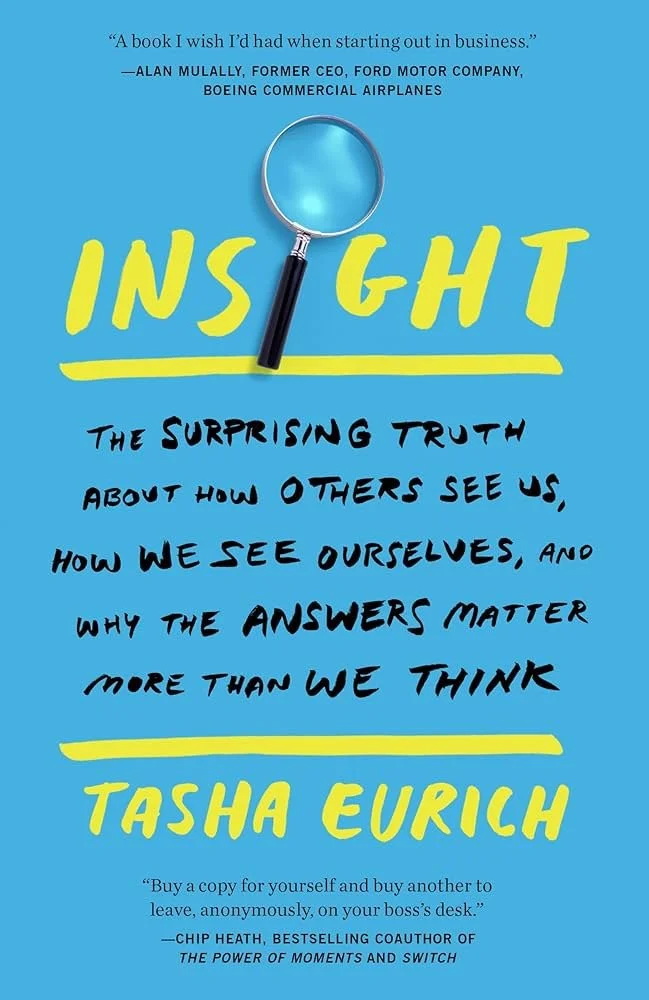
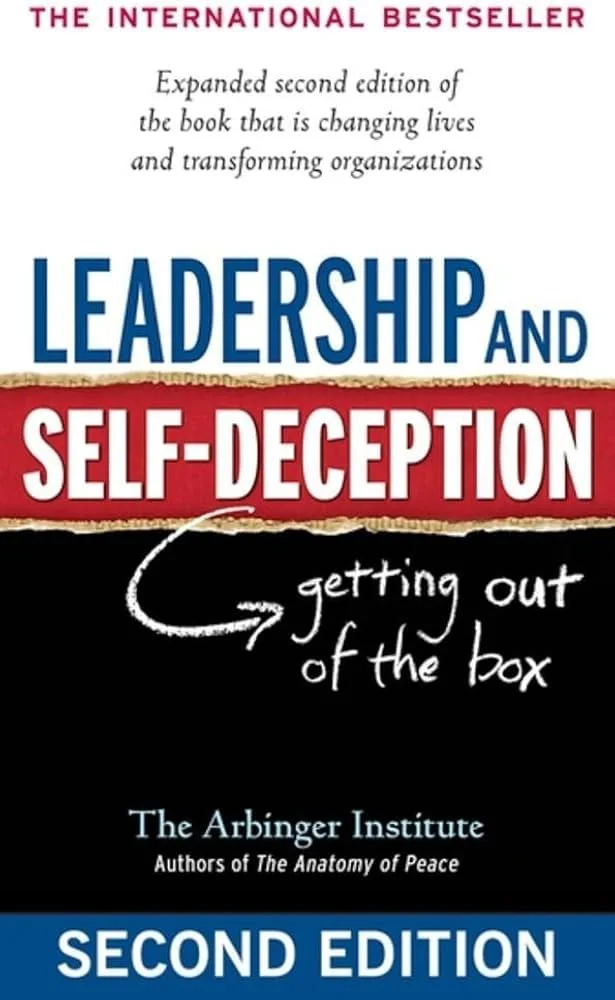
If you want a quick outside perspective, here are three videos that reinforce this week’s lesson:
如果你想快速聽聽外部觀點,以下三支影片會呼應本週課程的重點:

References
Lee, Angela, and Nichelle C. Carpenter. "Seeing eye to eye: A meta-analysis of self-other agreement of leadership." The leadership quarterly 29.2 (2018): 253-275.
Fleenor, John W., Cynthia D. McCauley, and Stephane Brutus. "Self-other rating agreement and leader effectiveness." The Leadership Quarterly 7.4 (1996): 487-506.
Smither, James W., Manuel London, and Richard R. Reilly. "Does performance improve following multisource feedback? A theoretical model, meta‐analysis, and review of empirical findings." Personnel psychology 58.1 (2005): 33-66.
Pierce, Jason R., and Herman Aguinis. "The too-much-of-a-good-thing effect in management." Journal of management 39.2 (2013): 313-338.
Kaplan, Robert E., and Robert B. Kaiser. "Stop overdoing your strengths." Harvard Business Review 87.2 (2009): 100-103.
Eurich, Tasha. "What self-awareness really is (and how to cultivate it)." Harvard Business Review 4.4 (2018): 1-9.