
Week 7: Active Listening for Leaders 主管的主動傾聽
Time: 4 minute video
Category: Communication 溝通
As leaders, it’s natural to want to help fast. Someone brings a problem, and we want to fix it right away. But when we jump to solutions too early, the other person may feel unheard. Then they share less. And we get problems late, when they are harder and more expensive to fix. This week’s video teaches a simple tool you can use in real conversations: PMA: Pause, Mirror, Ask. It helps you create understanding first, so you solve the right problem with less conflict and less rework.
身為主管,我們很自然會想要「趕快幫忙」。同仁一說問題,我們就想立刻給答案。 但如果太快跳到解法,對方常會覺得「你沒有真的理解我」,於是他們就會說得更少。結果問題變大後才爆出來,處理成本更高。本週影片分享一個很簡單、很實用的方法:PMA:停一下、反映、提問。 先讓對方覺得被理解,再一起解決真正的問題,就能減少衝突、減少重工,也讓溝通更順。
English Version
中文版 (AI)
Summary of Video
Why does this matter for leaders at KFSYSCC?
Leaders receive concerns all day. Small issues. Confusion. Tension.
If people feel you do not listen, they speak up less. Then you get bad news late.
Good listening gives you early signals, better information, and better decisions.
When would you use this?
Use PMA when:
- A colleague seems frustrated or tense
- A staff member brings a concern but is not speaking clearly
- A cross-department message feels “sharp” or defensive
- You feel tempted to argue or defend immediately
- You want the real problem, not the surface complaint
What are the key phrases from this video?
- Understanding before solutions
- PMA: Pause → Mirror → Ask
- “So you’re saying ___, and it’s causing ___.”
- “What is most urgent right now?”
- “What outcome are you hoping for?”
How would you describe this tool in 30 seconds?
PMA is a one-minute listening reset.
Pause for two seconds before you answer.
Mirror what you heard in one sentence.
Ask one forward question to clarify what matters most.
Then solve the right problem.
影片摘要
為什麼這對和信醫院的領導者很重要?
主管每天都會收到很多訊息。小問題、混亂、緊繃、抱怨。
如果同仁覺得你沒有在聽,他們就會越來越少說。結果壞消息常常變成「最後才知道」。
好的傾聽,能讓你更早收到訊號、拿到更好的資訊、做出更好的決策。
什麼時候會用到這個工具?
這些時刻很適合用 PMA:
- 對方明顯有情緒,或語氣緊繃
- 同仁有顧慮,但講不清楚重點
- 跨部門溝通開始變尖銳、互相防衛
- 你很想立刻反駁、立刻解釋
- 你想找到「真正的卡點」,不是表面抱怨
這支影片的關鍵句是什麼?
- 先理解,再給解法
- PMA:停一下 → 反映 → 提問
- 「你的意思是 ___,所以造成 ___。」
- 「你現在最急的是哪一段?」
- 「你希望這週能達到什麼結果?」
用 30 秒怎麼描述這個工具?
PMA 是一個「一分鐘把傾聽做對」的方法。
先停兩秒再回。
用一句話反映你聽到的重點。
再問一個往前的問題,確認真正需求。
最後再一起解決正確的問題。
Scripts for Leaders
Scripts make it easier to use the skill in real life. Keep it short. Keep it calm. Your goal is not to sound smart. Your goal is to understand quickly and respond well.

-
Give me 30 seconds to understand first.
I will ask one question, then we decide the next step.
-
Pattern: So you’re saying ___, and it’s causing ___.”
Example: So you’re saying the timing is late, and it puts your team under pressure.
-
What is most urgent right now?
-
What outcome are you hoping for this week?
-
Can you share one specific example, so I understand clearly?
-
I may see it differently.
Before I respond, can I confirm I understood your point?
-
It sounds like this is creating pressure for your team.
What is the biggest driver: timing, missing information, volume, or unclear roles?
-
Here is what I will do next.”
I will update you by tomorrow 3 PM.
給主管的對話腳本
對話腳本能讓你在真實場景更快用出來。 句子短一點。語氣穩一點。 你的目標不是「講得很厲害」,而是「快、準、穩地理解,然後回應」。
-
我先用 30 秒確認我有沒有理解對。
我先問一個問題,再一起決定下一步。
-
句型:「你的意思是 ___,所以造成 ___。」
例句:「你的意思是需求來得太晚,所以你們那邊壓力很大。」
-
你現在最急的是哪一段?
-
你希望這週能達到什麼結果?
-
你可以給我一個具體例子嗎?我想聽清楚。
-
我可能看法不一樣。
但我先確認一下,我有沒有理解對你的意思?
-
聽起來這件事讓你們很有壓力。
你覺得主要原因是時間點、資訊不完整、量太多,還是角色不清楚?
-
我接下來會做的是 ___。
我會在明天下午 3 點前回覆你。

Supporting Research
-
Listening is linked with better work outcomes, including relationship quality (trust), job attitudes, well-being, and performance. Reviews of workplace listening describe listening as more than “being quiet,” and show that high-quality listening can improve affect, cognition, and relationship quality at work.
Research on perceived listening also finds consistent positive links between feeling listened to and better work outcomes. Listening training studies show that listening can be improved, and training can have downstream benefits such as improved relatedness and lower burnout.
-
Listening is not agreement. And listening is not delaying decisions.
A common failure is “listening” without follow-through: people feel heard, but nothing changes. That reduces trust.
Also, listening cannot replace system fixes. If the issue is workload, unclear workflow, or missing tools, leaders must adjust the system too.
-
At KFSYSCC, we use active listening to get clearer information faster, especially across departments.
Our practical guardrails:
Pause before responding, especially when the message feels sharp
Mirror in one sentence to confirm understanding
Ask one forward question that makes the next step clearer
Close the loop with a next step and a time you will respond
Keep tone respectful and meaning clear (soft tone, clear meaning)
支持性研究
-
研究顯示,「被好好聽見」與多種工作成果有關,例如關係品質(信任)、工作態度、身心狀態、以及工作表現。職場傾聽的綜述研究也指出:好的傾聽不只是安靜不說話,而是一種能影響情緒、思考與關係品質的行為。
針對「被傾聽的感受」的統合研究,也發現它與較好的工作結果有一致的正向關聯。訓練研究則顯示:傾聽是可以被訓練的,並可能帶來後續效益,例如更高的連結感與較低的倦怠。
-
傾聽不是同意,也不是拖延決策。
最常見的失敗是「有聽,但沒有下一步」。對方覺得被聽見了,但事情完全沒變,信任反而會下降。
另外,傾聽不能取代系統改善。如果根本原因是工作量、流程不清楚、或工具不足,主管也需要處理系統問題。
-
在和信,我們把主動傾聽用在「更快拿到更清楚的資訊」,尤其是跨部門合作時。
實務原則:
回應前先停一下,特別是對方語氣尖銳時
用一句話反映,確認你理解正確
問一個往前的問題,讓下一步更清楚
收尾要閉環,說清楚下一步與回覆時間
語氣可以柔和,但意思要清楚(柔和語氣,清楚意思)
Bonus Clips
加碼影片
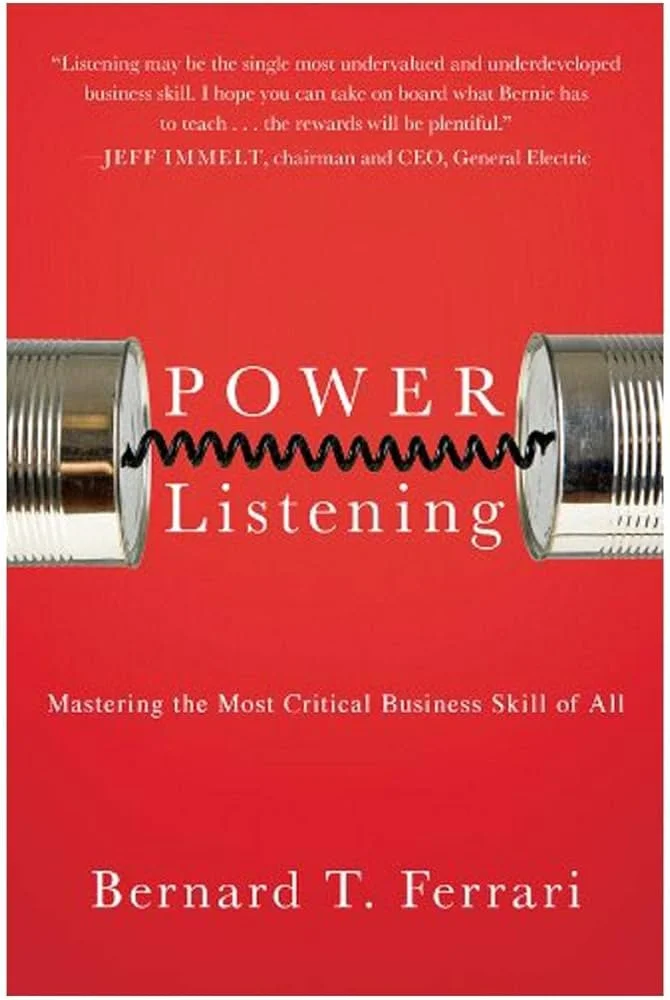
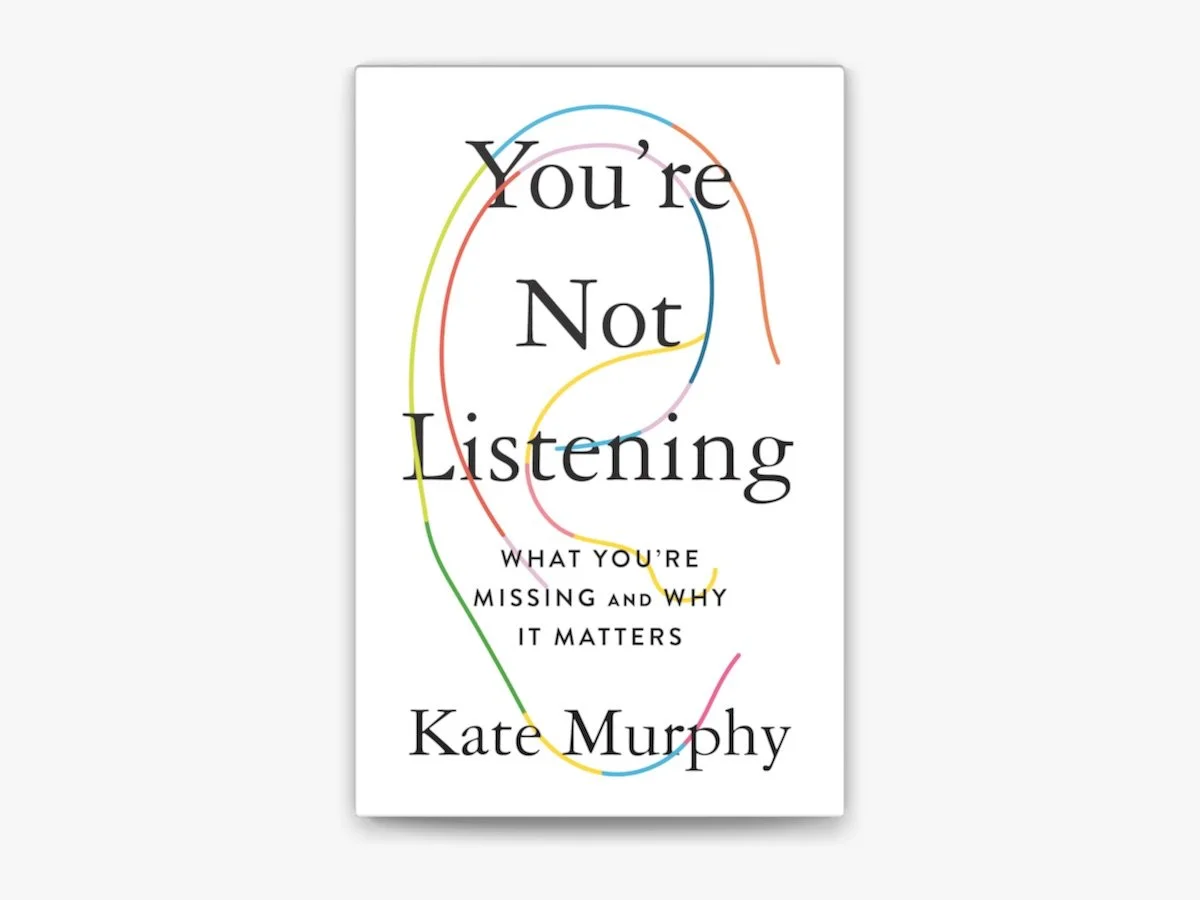
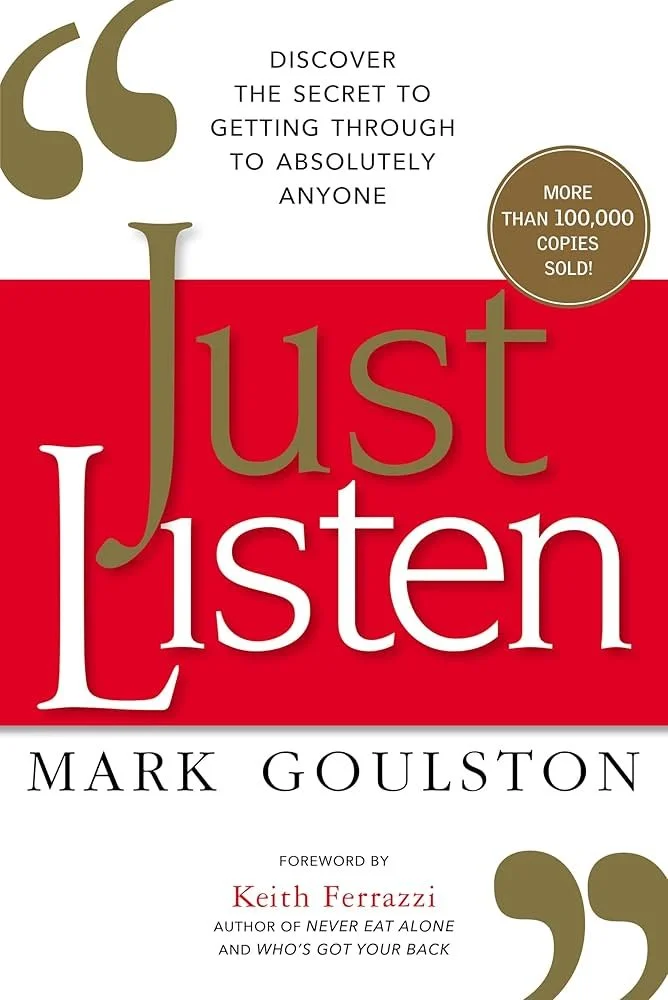
If you want a quick outside perspective, here are three videos that reinforce this week’s lesson:
如果你想快速聽聽外部觀點,以下三支影片會呼應本週課程的重點:
References
Kluger, Avraham N., and Guy Itzchakov. "The power of listening at work." Annual Review of Organizational Psychology and Organizational Behavior 9.1 (2022): 121-146.
Kluger, Avraham N., et al. "A meta-analytic systematic review and theory of the effects of perceived listening on work outcomes." Journal of Business and Psychology 39.2 (2024): 295-344.
Itzchakov, Guy, Netta Weinstein, and Arik Cheshin. "Learning to listen: Downstream effects of listening training on employees' relatedness, burnout, and turnover intentions." Human Resource Management 62.4 (2023): 565-580.
Kriz, Tiffany D., Avraham N. Kluger, and Christopher J. Lyddy. "Feeling heard: Experiences of listening (or not) at work." Frontiers in psychology 12 (2021): 659087.
Rogers, Carl R., and Richard E. Farson. "Active listening." Chicago, IL (1957). (classic short paper, PDF).