
Week 6: Constructive Feedback 建設性回饋
Time: 4 minute video
Category: People Development 人才培育
Constructive feedback is one of the fastest ways leaders improve performance and protect working relationships. When we wait too long, small issues grow. When we deliver feedback poorly, people become defensive, avoid us, and the work does not improve. This week’s video teaches a simple method that fits real life: Aim → Gap → Next. It helps you stay specific, respectful, and focused on what should happen next time.
建設性的回饋是領導者提升績效、並維護工作關係最快的方法之一。當我們拖得太久,小問題會變成大問題。當我們回饋方式不當,人們會變得防衛、開始躲著我們,而工作也不會改善。本週影片教你一個貼近真實職場情境的簡單方法:目標 → 落差 → 下一步。它能幫助你保持具體、尊重對方,並把重點放在下次應該怎麼做。
English Version
中文版 (AI)
Summary of Video
Why does this matter for leaders at KFSYSCC?
Constructive feedback helps leaders keep standards clear without damaging trust.
It prevents repeated confusion, reduces rework, and helps people improve faster.
Research also matters here: feedback is powerful, but not always helpful. A classic meta-analysis found that some feedback interventions improved performance, while a meaningful portion made performance worse, depending on how feedback was delivered and what it focused on. That is why method matters.
When would you use this?
Use constructive feedback when the issue is:
- Impactful: it affects results, time, quality, or teamwork
- Specific: you can describe what happened clearly
- Actionable: the person can do something differently next time
Also, use it to reinforce a strong behavior you want repeated.
Timing matters:
- Give feedback soon, but not in the heat of emotion
- Give feedback in private when possible
- If the situation is urgent, fix the work first, then give feedback.
What are the key phrases from this video?
- Impactful / Specific / Actionable
- Aim → Gap → Next
- Feedback can help or harm
- Focus on the work, not the person
- One clear next step
How would you describe this tool in 30 seconds?
The idea is simple: keep feedback clear and forward-looking.
1) Aim: name the target. What does “good” look like?
2) Gap: describe what happened this time, using one concrete observation.
3) Next: make one clear request for next time, and offer support if needed.
This keeps feedback useful, not personal.
影片摘要
為什麼這對和信醫院的領導者很重要?
建設性回饋能幫主管把標準講清楚,同時不傷害信任與合作。
它能減少重工、降低誤解,讓同仁更快改善、工作更順。
研究也提醒我們:回饋很有力量,但方式不對也可能反效果。
所以我們需要一個簡單、可重複使用的方法。
什麼時候會用到這個工具?
當回饋符合三個條件時最值得講:
- 有影響力:會影響成果、時間、品質或合作
- 很具體:你能清楚描述「發生了什麼」
- 可行動:對方下次做得到不同做法
也可以用來強化你希望持續出現的好行為。
時機建議:
- 盡快講,但不要在情緒很強的當下講
- 能私下就私下
- 如果事情很急,先把工作處理好,再找時間回饋
這支影片的關鍵句是什麼?
- 有影響力|具體|可行動
- 目標|落差|下一步 (Aim → Gap → Next)
- 回饋可能幫助,也可能傷害
- 對事不對人
- 下一步只要一個重點
用 30 秒怎麼描述這個工具?
這個方法的核心是:把回饋講得清楚、講得可做。
1) 目標:先講清楚標準或目標是什麼
2) 落差:描述你看到的事實或一次具體例子
3) 下一步:說明下次要怎麼做,並視情況提供支援
Scripts for Leaders
Scripts make it easier to turn ideas into action. Watching a video can inspire you, but real leadership change usually happens in short, high-pressure moments where it’s hard to find the right words. The scripts give you ready-to-use phrases and structures you can adapt to your style, so you can try the skill immediately, stay consistent across teams, and spend less time figuring out what to say and more time leading well.

-
Can I share two minutes of feedback?
My goal is to make next time easier and clearer.
-
Aim: For this kind of work, the standard is clear alignment before we move forward.
Gap: Today, we left with different understandings, so teams moved in different directions.
Next: Next time, can you summarize the decision and next step in the last two minutes?
If you want, I can help by taking notes and reading back the close.
-
Aim: When we agree on a deadline, we protect it, because other teams depend on it.
Gap: This week the deliverable came late, and it blocked follow-up work.
Next: Next time, if you see a delay, please tell me one day early and propose a new date.
-
Aim: Requests should be easy to act on.
Gap: Your message had the issue, but it was missing the key details, so people had to ask again.
Next: Next time, please include the purpose, the deadline, and the needed information in one message.
-
Aim: In discussion, we want everyone to finish their point.
Gap: Today, you interrupted several times, and it shortened the discussion.
Next: Next time, can you let the person finish, then respond?
-
I want to give positive feedback.
Today you summarized the key point clearly, and it helped everyone move faster.
Please keep doing that.
-
I hear you.
My goal is not blame. My goal is improvement.
Can we focus on what we will do next time?
-
Thanks for telling me.
Can you share one specific example?
What would you like me to do differently next time?
Got it. I will work on that.
給主管的對話腳本
對話腳本能讓想法更容易轉化為行動。看完影片可能會受到啟發,但真正的領導力改變,往往發生在短暫、壓力很高的當下,而那時最難的是立刻找到合適的說法。這些腳本提供你可立即使用的句型與結構,你可以依照自己的風格調整,讓你能馬上練習這項技能、在不同團隊之間保持一致,也把更多時間用在好好帶領團隊,而不是苦想該怎麼說。只用一句話,不要講太長。
-
我可以用兩分鐘給一個回饋嗎?
我的目的是讓下次更順、更清楚。
你現在方便嗎?還是我們約今天晚一點?
-
目標:這類工作最重要的是先對齊共識,再往下做。
落差:今天會議結束時,大家理解不一樣,所以各自往不同方向走。
下一步:下次最後兩分鐘,請你把決策和下一步用一句話講清楚。
如果還不能決策,也請說清楚缺什麼資訊、誰去補、什麼時候補。
如果你願意,我也可以幫忙記重點,最後協助複誦整理。
-
目標:只要我們承諾交付時間,就要守住,因為別的團隊會接著做。
落差:這週交付延後,後面的工作就被卡住了。
下一步:下次如果可能延遲,請提前一天跟我說,並給一個新的交付時間。
也請你告訴我卡點是什麼,我們一起把障礙移除。
-
目標:提出需求要讓對方一看就能做。
落差:你有提到問題,但關鍵資訊不完整,所以大家又需要再問一次。
下一步:下次請在同一則訊息寫清楚三件事:目的、期限、以及你需要什麼。
如果你願意,也可以用這個順序:『目的、何時前、需要什麼』。
-
目標:討論時我們希望每個人都能把想法講完,這樣資訊才完整。
落差:今天有幾次打斷,討論就被縮短了。
下一步:下次可以先讓對方講完,再回應嗎?
如果你不同意,也可以先說:『我先確認我有沒有理解對。』
-
我想給一個正向回饋。
你今天把重點整理得很清楚,大家後面就更快能往下走。
這個做法請你繼續保持。
這會讓會議更有效率。
-
我理解你的感受。
我不是要怪你,我的目標是讓事情變更好。
我們先回到『下次』。
你覺得你可以先做哪一個改變?你需要我提供什麼支援?
-
謝謝你跟我說。
你可以給我一個具體例子嗎?
你希望我下次怎麼做會更好?
了解,我會調整。
我試過之後再跟你回報。

Supporting Research
-
Feedback is one of the most studied performance tools, but results vary. Research supports feedback that is specific, focused on the task or behavior, and connected to a clear next step. Reviews in learning science emphasize that feedback works best when it helps a person understand the goal, their current performance, and how to improve next time.
In healthcare improvement research (audit and feedback), effects are often modest, and stronger results are linked with features like providing specific suggestions for improvement.
-
Feedback is not automatically helpful. Research shows it can backfire when it feels personal, vague, or threatening. If feedback shifts attention to “who I am” instead of “what I should do next time,” performance can drop.
Also, feedback cannot replace system fixes. If delays or errors are driven by workload, unclear workflows, or missing tools, the leader needs to adjust the system as well, not only “coach the person.”
-
At KFSYSCC, we use constructive feedback to protect quality and teamwork.
Our practical guardrails:
- Keep it private when possible
- Keep it short (one topic, one example, one next step)
- Keep it forward-looking (next time, not shame)
- Offer support when the barrier is real - Invite feedback back, and model calm receiving
支持性研究
-
回饋是研究最多的績效工具之一,但效果會因情境而不同。研究支持「具體、聚焦在工作或行為、並且包含清楚下一步」的回饋方式。學習科學的綜述也強調:回饋最有效的時候,是它能幫助對方弄清楚目標是什麼、目前做得如何、以及下次要怎麼改善。
在醫療品質改善研究中(例如稽核與回饋 audit and feedback),整體效果常常是中度或偏小;而效果較好的做法,通常包含「提供具體可行的改善建議」,而不只是指出問題。
-
回饋並不是「只要講了就會有效」。研究顯示,當回饋讓人覺得被針對、內容太模糊、或帶有威脅感時,可能會產生反效果。如果回饋把注意力拉到「我這個人怎樣」而不是「我下次要怎麼做」,表現反而可能變差。
另外,回饋不能取代系統改善。若延誤或錯誤的根本原因是工作量、人力、流程不清楚、或工具不足,主管也需要調整系統,而不只是「一直教人要更努力」。
-
在和信,我們用建設性回饋來守住品質與團隊合作。
我們的實務原則:
- 盡量 私下 說
- 保持 簡短(一個主題、一個例子、一個下一步)
- 聚焦 下次怎麼做(不是羞辱、也不是翻舊帳)
- 當卡點是真實的,就提供 支援
- 鼓勵對方也能回饋你,主管要示範「冷靜接回饋」
Bonus Clips
加碼影片
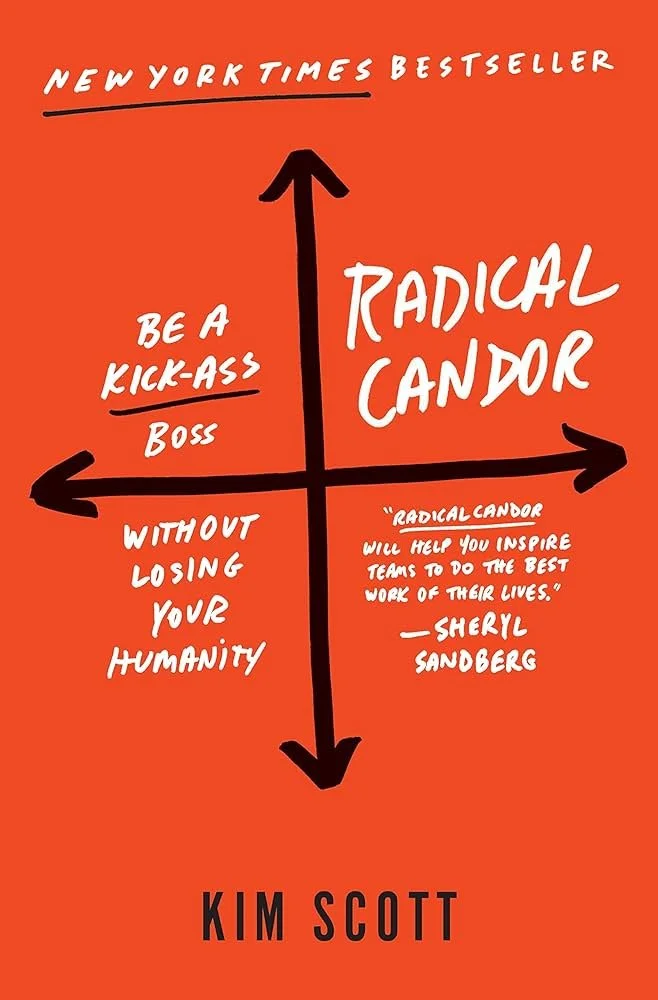
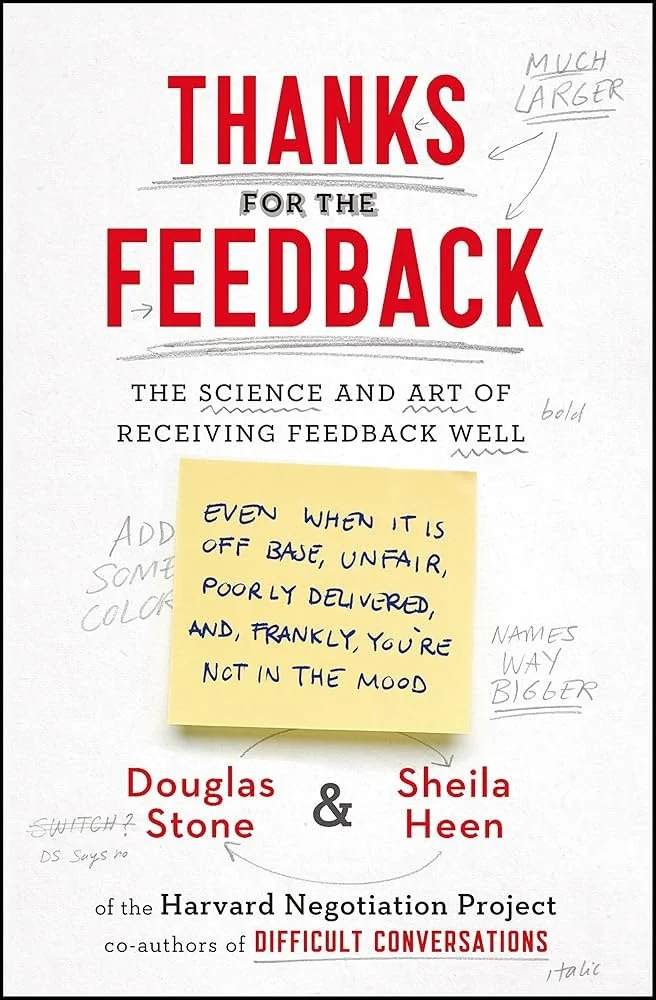
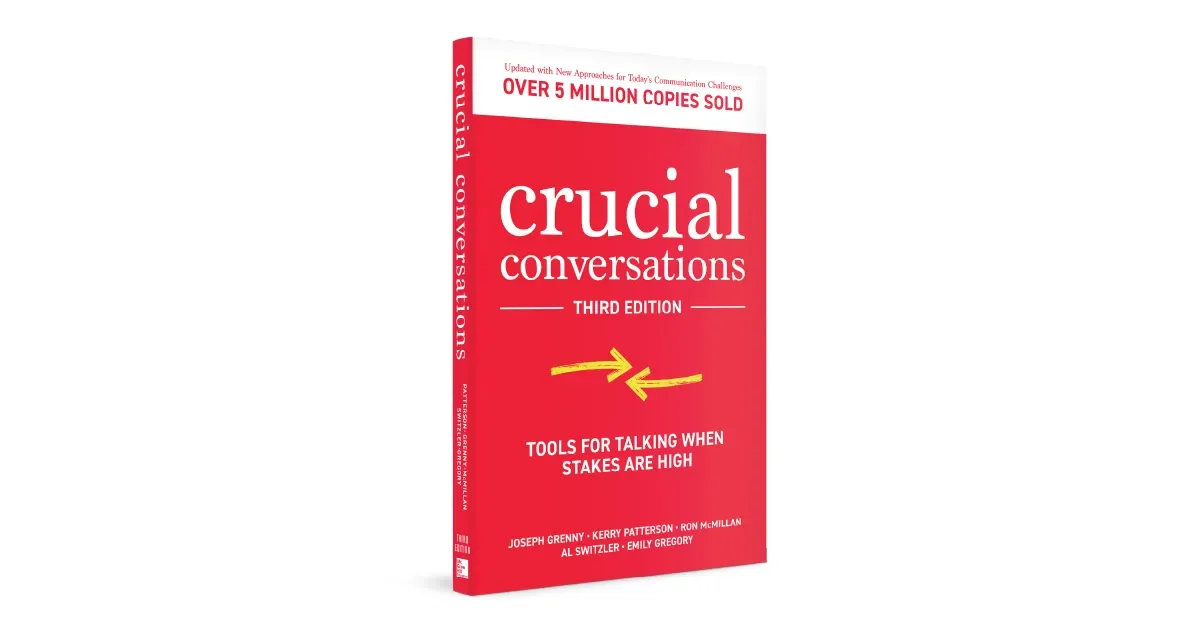
If you want a quick outside perspective, here are three videos that reinforce this week’s lesson:
如果你想快速聽聽外部觀點,以下三支影片會呼應本週課程的重點:
References
1. Kluger, Avraham N., and Angelo DeNisi. "The effects of feedback interventions on performance: a historical review, a meta-analysis, and a preliminary feedback intervention theory." Psychological Bulletin, 119(2), 254–284.
2. Hattie, John, and Helen Timperley. "The power of feedback." Review of Educational Research. 77.1 (2007): 81-112.
3. Shute, Valerie J. "Focus on formative feedback." Review of Educational Research. 78.1 (2008): 153-189.
4. Hysong, Sylvia J. "Meta-analysis: audit and feedback features impact effectiveness on care quality." Medical Care. 47.3 (2009): 356-363.
5. Anseel, Frederik, et al. "How are we doing after 30 years? A meta-analytic review of the antecedents and outcomes of feedback-seeking behavior." Journal of Management. 41.1 (2015): 318-348.