
Week 26: Building Trust Within Your Team
建立團隊的信任
Time: 5 minute video
Category: Team Leadership 團隊領導
Trust is the quiet thing underneath everything a team does. When it is there, work flows. When it is missing, everything slows down. And trust is not built in one big act. It is built in small actions, repeated.
This week's video is about the three habits that build it: do what you say, tell the truth, and be consistent. Trust is also different from being liked, you can enjoy working with someone and still not trust them to actually do what they say. It is the foundation that the rest of leadership, including the mentoring relationships we are moving toward, is built on.
信任,是一個團隊所做的每一件事底下,那個安靜的東西。有信任,事情就順;少了它,什麼都會慢下來。而且,信任不是靠一個大動作建立的,是靠一次又一次的小行動。
這禮拜的影片,談的是建立信任的三個習慣:說到做到、說實話、一致。信任也跟「被喜歡」不一樣,你可以很喜歡跟一個人共事,卻還是不太信任他會把事情做到。它是整個領導力的基礎,也是我們接下來要談的「師徒、帶人」關係的基礎。
English Version
中文版 (AI)
Summary of Video
The Core Idea
Trust is believing that a person will do what they say, tell the truth, and treat everyone the same. It is built slowly, through small repeated actions, and it is lost quickly. Three habits matter the most. Reliability: keep your promises, especially the small ones. Honesty: tell the truth, including the hard parts, and admit your own mistakes. Consistency: use the same rules for everyone, and explain decisions that affect people differently. Trust is built in drops and lost in buckets, so the small things are the big things.
Why does this matter for leaders at KFSYSCC?
When your team trusts you, they report a mistake or a near miss early, while it can still be fixed. When they do not, they hide it until it is too late. In a hospital, trust is a patient safety issue, not a small, optional thing. It is also the base that everything else is built on: delegation, coaching, and the mentoring relationships we are moving toward all need trust first.
Use this tool when:
you are new to a team and need to earn their trust
trust has been damaged, and you want to rebuild it
people are not bringing problems or mistakes to you
you want delegation and coaching to actually work
you notice small promises being forgotten
How the three habits work
Reliability is mostly about small promises: the “I'll check,” “I'll ask,” “I'll let you know by Friday” that are easy to forget and easy to remember. Keep track of them and finish each one; if you cannot deliver, say so early. Honesty means telling the truth even when it is hard, sharing the reason behind a decision, and admitting your mistakes openly, which builds trust rather than breaking it. Consistency means the same rules for everyone, for time off, the busy shifts, and the interesting work, and explaining a decision that affects different people in different ways, so it does not look like favoritism.
What are the key phrases from this video?
Trust is built in drops, and lost in buckets.
Do what you say, tell the truth, be consistent.
The small things are the big things.
You can't talk your way back into trust. You act your way back.
Admitting a mistake builds trust, it does not break it.
How would you describe this tool in 30 seconds?
Trust is believing someone will do what they say, tell the truth, and be consistent. You build it with small repeated actions: keep your small promises, be honest including the hard parts, and treat everyone by the same rules. It grows slowly and breaks fast, so the small things are the big things. This week, make one small promise and keep it.
影片摘要
核心概念
信任,就是相信一個人會說到做到、會說實話、會對每個人都一樣。它是靠一次又一次的小行動慢慢累積的,而且很容易一下子就失去。有三個習慣,做了大部分的事。可靠:守住你的承諾,尤其是小的。誠實:說實話,包括難說的部分,並且坦白承認自己的錯。一致:對每個人用同一套規則,遇到會對不同人有不同影響的決定,就把原因說清楚。信任是一點一滴累積、卻可能一桶一桶倒掉,所以那些小事,其實才是大事。
為什麼這對和信醫院的領導者很重要?
當你的團隊信任你,他們會在出錯或差一點出錯的當下、還來得及補救的時候,就告訴你。當他們不信任你,就會把事情藏到來不及為止。在醫院裡,信任是一個病人安全的問題,不是可有可無的小事。它也是其他一切的基礎:授權、教練、以及我們接下來要談的帶人關係,都需要先有信任。
什麼時候會用到這個工具?
你剛接一個團隊,需要先贏得信任
信任曾經受過傷,你想把它重建起來
大家不太把問題或錯誤帶來找你
你希望授權和教練真的有用
你發現一些小承諾常常被漏掉
三個習慣怎麼運作
可靠,多半是關於小承諾:那些「我幫你查」「我幫你問」「我禮拜五前給你」,最容易忘、別人也最會記得。把它們記下來、一件一件結掉;如果做不到,早一點說。誠實,是在難說的時候也說實話,把決定背後的原因講出來,並且坦白承認自己的錯,這反而會建立信任,而不是破壞它。一致,是對每個人用同一套規則,請假、比較忙的班、比較有意思的工作都一樣,並且把「對不同人有不同影響」的決定,說清楚原因,這樣才不會看起來像偏心。
這支影片的關鍵句是什麼?
信任是一點一滴累積,一下子就倒光。
說到做到、說實話、一致。
那些小事,其實才是大事。
信任沒辦法用講的講回來,只能用行動做回來。
承認錯誤會建立信任,而不是破壞它。
用 30 秒怎麼描述這個工具?
信任,就是相信一個人會說到做到、說實話、一致。你用一次又一次的小行動來建立它:守住小承諾、在難說的時候也誠實、對每個人用同一套規則。它長得慢、垮得快,所以那些小事,其實才是大事。這禮拜,做一個小承諾,然後做到它。
Scripts for Leaders
Small, specific, and honest. These are the moments where trust is won or lost.

-
“I said I'd let you know about this, so here is where it stands.”
-
“I said Friday, and I won't make it. Here is the new date, and here is why.”
-
“I got this wrong. Here is what I'm doing to fix it, and what I learned.”
-
“Here is the decision. Here is the reason as I understand it. Here is what I'm still asking about.”
-
“Here is why I made this decision, so it does not look like I am treating one person better than the rest.”
-
“What you told me, I will keep to myself.”
-
“That was our team's decision, and I support it.”
-
“Here is how I will decide time off, so it is the same for everyone.”
-
making small promises casually, then forgetting them
staying vague to avoid an awkward truth
defending a mistake instead of admitting it
making an exception for someone you like, then wondering why the team is upset
repeating something that was told to you in confidence
being warm and likeable, but not actually reliable
給主管的對話腳本
請小、具體、誠實。這些就是信任被贏得、或被失去的時刻。
-
「我之前說會回覆你這件事,目前的狀況是這樣。」
-
「我說禮拜五,但我趕不上了。新的時間是這個,原因是這樣。」
-
「這件事我做錯了。我正在這樣補救,也學到了這個。」
-
「這是決定。這是我理解的原因。這是我還在幫大家問清楚的部分。」
-
「我跟你們說一下我為什麼這樣決定,免得看起來像偏心。」
-
「你跟我說的,我會放在心裡。」
-
「那是我們團隊的決定,我會挺。」
-
「我跟大家說一下我怎麼安排請假,這樣對每個人都一樣。」
-
隨口給小承諾,然後就忘了
為了避免尷尬的真話,講得含糊
替自己的錯辯解,而不是承認它
為某個偏愛的人破例,然後納悶士氣怎麼掉了
把別人私下告訴你的事說出去
人很親切、很討喜,但其實不可靠

Supporting Research
-
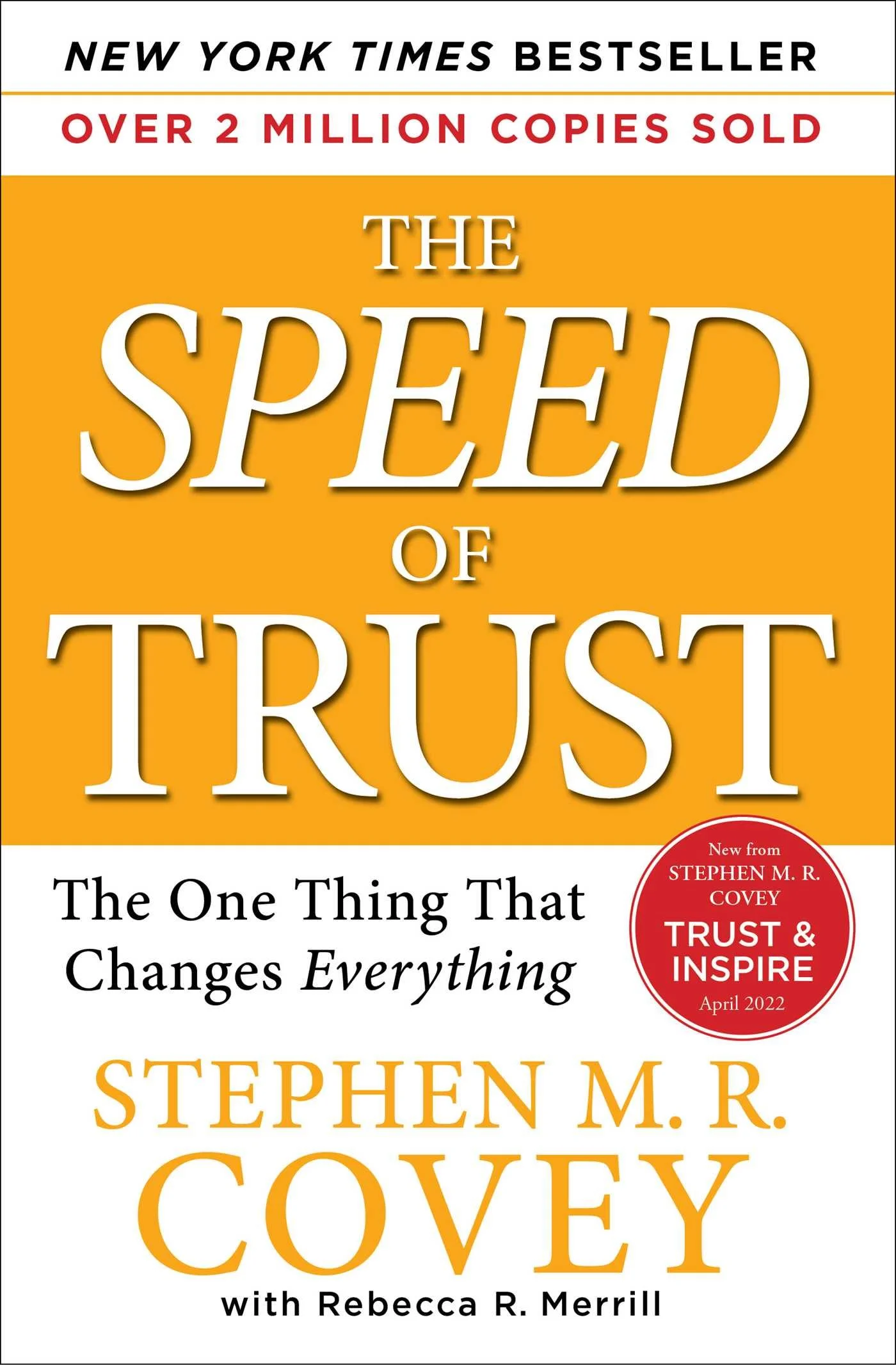
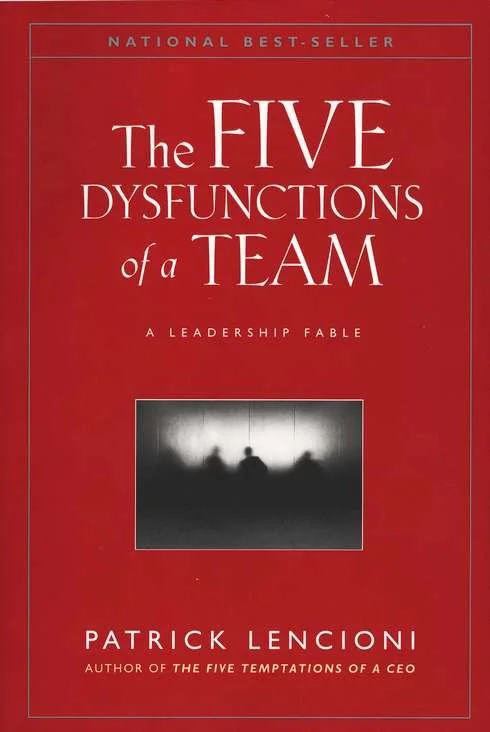
Stephen M. R. Covey's The Speed of Trust shows trust is both a relationship quality and a practical force: high trust speeds work up and lowers cost, while low trust slows everything and adds a hidden tax. He names concrete behaviors of high trust leaders, such as keeping commitments, talking straight, and righting wrongs. Patrick Lencioni places trust at the base of every effective team, and Frances Frei frames trust as authenticity, logic, and empathy.
-
Trust without competence is not enough; people also need to believe you can do the job, not only that you mean well. Trust is also not blind, healthy teams still verify and check. And rebuilding broken trust takes longer than building it, and only consistent action does it, not apologies alone.
-
We treat reliability as a patient safety behavior: keep your word on the small things, report and own mistakes quickly, and apply rules evenly. Leaders model it first, because trust flows downward, a team rarely trusts more than its leader is willing to.
支持性研究
-
Stephen M. R. Covey 的《高效信任力》指出,信任既是一種關係品質,也是一股實際的力量:高信任會讓事情更快、成本更低;低信任會讓一切變慢,還多了一筆看不見的稅。他列出高信任領導者的具體行為,像是守住承諾、有話直說、有錯就改。Patrick Lencioni 把信任放在每一個高效團隊的最底層,而 Frances Frei 把信任拆成真誠、邏輯、同理三個面向。
-
光有信任、沒有能力是不夠的;人也需要相信你做得到這份工作,而不只是你有好意。信任也不是盲目的,健康的團隊還是會查核、確認。而且,重建被破壞的信任,比建立它更花時間,而且只能靠一致的行動,光道歉是不夠的。
-
我們把「可靠」當成一種病人安全行為:在小事上說到做到、出錯時快速回報並承認、規則對每個人一致。主管先以身作則,因為信任是往下流的,一個團隊很少會比它的主管更願意信任。
Bonus Clips
加碼影片
If you want a quick outside perspective, here are three videos that reinforce this week’s lesson:
如果你想快速聽聽外部觀點,以下三支影片會呼應本週課程的重點:
References
Mayer RC, Davis JH, Schoorman FD. An integrative model of organizational trust. Acad Manage Rev. 1995;20(3):709-34.
Rousseau DM, Sitkin SB, Burt RS, Camerer C. Not so different after all: a cross-discipline view of trust. Acad Manage Rev. 1998;23(3):393-404.
Dirks KT, Ferrin DL. Trust in leadership: meta-analytic findings and implications for research and practice. J Appl Psychol. 2002;87(4):611-28.
Edmondson A. Psychological safety and learning behavior in work teams. Adm Sci Q. 1999;44(2):350-83.
Okello DRO, Gilson L. Exploring the influence of trust relationships on motivation in the health sector: a systematic review. Hum Resour Health. 2015;13:16.
Covey SMR. The speed of trust: the one thing that changes everything. New York: Free Press; 2006.
Lencioni P. The five dysfunctions of a team: a leadership fable. San Francisco: Jossey-Bass; 2002.