
Week 25: Managing Team Conflict
化解團隊衝突
Time: 5 minute video
Category: Team Leadership 團隊領導
When two people on your team stop getting along, it is tempting to ignore it and hope it goes away. But conflict on a team rarely fixes itself. It grows quietly: people stop talking, they stop helping each other, and the work suffers. As a leader, you sometimes need to step in.
This week's video is about how to do that well. The key idea is that you are not the judge, you are the bridge. You do not pick a winner. You help two people who both care find their shared goal, and a way to work together again.
當你團隊裡有兩個人開始處不來,你會很想假裝沒看到,希望它自己過去。但團隊裡的衝突,很少會自己好。它會悄悄變大:大家不講話、不再互相幫忙,工作就跟著受影響。身為主管,有時候你需要介入。
這禮拜的影片,談的就是怎麼把這件事做好。核心觀念是:你不是裁判,你是橋樑。你不是去選一個贏家,而是幫兩個都很在乎的人,找到他們的共同目標,以及重新一起合作的方法。
English Version
中文版 (AI)
Summary of Video
The Core Idea
Most conflict at work is not good people against bad people. It is two people who both care, but who want different things, or the same thing in different ways. Your job is not to decide who is right. It is to bring them together and help them find the goal they share. There are three moves: hear both sides and stay neutral; find the shared goal; agree one concrete next step. One line holds it together: you are not the judge, you are the bridge.
Why does this matter for leaders at KFSYSCC?
In a hospital, when two team members stop speaking, information stops flowing between them, and that can reach the patient. Letting conflict grow quietly is not neutral. It usually lets the louder person win and the quieter person withdraw. Stepping in early and fairly protects both people, and it protects the work.
Use this tool when:
two people have stopped speaking, or the air is tense between them
a disagreement is starting to affect the team or the work
the same friction keeps coming back
you notice you have been avoiding it
(know the limit: bullying, harassment, or safety needs formal support, not mediation)
How the three moves work
Hear both sides, and stay neutral. Talk to them calmly and in private, not when they are still angry. Let each person speak without being interrupted, so both feel heard. You are not deciding who is right; you are understanding both views. Then find the shared goal: name the thing they both actually want, often patient safety or a smooth shift. Saying it out loud turns it from them against each other into both of them against the problem. Then agree one concrete next step: one clear change they will both try, with a time to check back. Small and specific beats big and vague.
What are the key phrases from this video?
You are not the judge, you are the bridge.
Not bad people, two people who both care.
Find the shared goal.
Both of them against the problem, not each other.
One concrete step, then check back.
How would you describe this tool in 30 seconds?
When two of your people are in conflict, do not ignore it and do not take sides. Bring them together. Hear both sides without judging, name the goal they share, and agree one small, concrete step, with a time to check back. You are not there to pick a winner. You are there to help them work together again.
影片摘要
核心概念
職場上大部分的衝突,不是好人對壞人,而是兩個都很在乎的人,只是想要的東西不一樣,或想要同一個東西、但做法不同。你的工作不是判誰對誰錯,而是把他們找來,幫他們找到共有的目標。有三個動作:聽兩邊說、保持中立;找出共同目標;講好一個具體的下一步。一句話貫穿全部:你不是裁判,你是橋樑。
為什麼這對和信醫院的領導者很重要?
在醫院裡,當兩個同事不講話,他們之間的訊息就不流通,而這有可能影響到病人。讓衝突悄悄變大,並不是中立;它通常會讓比較大聲的人贏,讓比較安靜的人退縮。早一點、公平地介入,是在保護兩個人,也是在保護工作。
什麼時候會用到這個工具?
兩個人不再講話,或彼此之間氣氛很緊繃
一個爭執開始影響到團隊或工作
同樣的摩擦一再出現
你發現自己一直在迴避它
(要知道界線:霸凌、騷擾、或安全問題需要正式的協助,不是靠調解)
三個動作怎麼運作
聽兩邊說、保持中立。冷靜、私下地談,不要在他們還在氣頭上的時候。讓每個人把話說完、不被打斷,讓兩個人都覺得有被聽到。你不是在判誰對誰錯,你是在理解兩邊的想法。接著,找出共同目標:說出兩個人其實都想要的那件事,常常是病人安全、或一個順利的班。把它說出來,就會從「互相對立」變成「一起面對問題」。然後,講好一個具體的下一步:一個清楚、兩人都願意試的改變,再加一個回來確認的時間。小而具體,勝過大而模糊。
這支影片的關鍵句是什麼?
你不是裁判,你是橋樑。
不是壞人,是兩個都很在乎的人。
找出共同目標。
是一起面對問題,不是互相對立。
一個具體的下一步,然後回來確認。
用 30 秒怎麼描述這個工具?
當你團隊裡有兩個人起衝突,不要假裝沒看到,也不要選邊站。把他們找來。不帶評判地聽兩邊說,說出他們共有的目標,再講好一個小小的、具體的下一步,並約一個時間回來確認。你不是去選贏家,你是去幫他們重新一起合作。
Scripts for Leaders
Calm, short, and without judgment. You are the bridge, not the judge.

-
“I have noticed some tension, and I would like to help. Can the three of us talk?”
-
“I am not here to decide who is right. I want to understand both sides.”
-
“From where you sit, what does this look like? Help me understand.”
-
“Let me check I understood you. You are saying...”
-
“It sounds like you both want the same thing, a safe handover. Is that fair?”
-
“So the real problem is the handover, not each other. Let's solve that together.”
-
“What is one thing each of you could try this week?”
-
“Let's meet again on Friday and see how it is going.”
-
“I want to hear from you too. Take your time.”
-
taking a side, or being seen to take a side
letting one person do all the talking
forcing a quick truce without finding the real cause
solving it once, but never checking back
mediating in the heat of the moment, when people are still angry
treating bullying or harassment as an ordinary disagreement
給主管的對話腳本
請冷靜、簡短、不帶評判。你是橋樑,不是裁判。
-
「我注意到最近有點緊繃,我想幫忙。我們三個可以談一談嗎?」
-
「我不是來判誰對誰錯的,我想了解兩邊的情況。」
-
「從你的角度,這件事看起來是怎麼樣?幫我理解一下。」
-
「我確認一下我有沒有聽懂,你的意思是……」
-
「聽起來,你們其實都想要同一件事:一個安全的交班。這樣說對嗎?」
-
「所以真正的問題是交班,不是彼此。我們一起來解決這個。」
-
「這禮拜,你們各自可以試一件什麼事?」
-
「我們禮拜五再碰一次,看看狀況如何。」
-
「我也想聽聽你的想法,慢慢來沒關係。」
-
選邊站,或讓人覺得你選邊站
讓其中一個人講了全部的話
沒找到真正的原因,就急著要他們和好
解決了一次,卻沒有回來確認
在大家還在氣頭上的時候就去調解
把霸凌或騷擾當成一般的意見不合

Supporting Research
-
Conflict resolution research points to the same core. Fisher and Ury's Getting to Yes, and the work behind Crucial Conversations, both say: separate the people from the problem, and move from fixed positions to the shared interest underneath. People accept a solution more when they feel heard, and when the outcome serves a goal they actually share.
-
Not all conflict is bad. Some disagreement makes decisions better. The goal is not to remove every friction, but to keep it about the work, not the person. And mediation has a clear limit: bullying, harassment, discrimination, or safety issues are not ordinary disagreements, and need formal channels and proper support.
-
When two team members clash, we step in early, stay neutral, and look for the shared goal, which is often patient safety or a smooth shift. We agree one concrete step and check back, and we escalate serious issues to the right support rather than handling them as a simple disagreement.
支持性研究
-
衝突處理的研究都指向同一個核心。Fisher 與 Ury 的《哈佛這樣教談判力》,以及《關鍵對話》背後的方法,都說:把「人」和「問題」分開,並且從各自堅持的立場,移到底下那個共同的利益。當人覺得自己有被聽到、而且結果是服務一個他們真正共有的目標時,他們更願意接受解法。
-
不是所有衝突都是壞的。有些不同意見,反而讓決策更好。目標不是把所有摩擦都消滅,而是讓它停留在「對事」,不要變成「對人」。而且調解有清楚的界線:霸凌、騷擾、歧視、或安全問題,不是一般的意見不合,需要走正式的管道、並尋求適當的協助。
-
當兩個同事起衝突,我們早一點介入、保持中立,並找出共同目標,這個目標常常是病人安全或一個順利的班。我們講好一個具體的下一步並回來確認;遇到嚴重的問題,就轉介給適當的協助,而不是當成一般的意見不合來處理。
Bonus Clips
加碼影片
If you want a quick outside perspective, here are three videos that reinforce this week’s lesson:
如果你想快速聽聽外部觀點,以下三支影片會呼應本週課程的重點:


References
Fisher R, Ury W, Patton B. Getting to yes: negotiating agreement without giving in. 3rd ed. New York: Penguin Books; 2011.
Thomas KW. Thomas-kilmann conflict mode. TKI Profile and Interpretive Report. 2008 May 1;1(11):1-1.
Jehn KA. A multimethod examination of the benefits and detriments of intragroup conflict. Administrative science quarterly. 1995 Jun 1:256-82.
De Dreu CK, Weingart LR. Task versus relationship conflict, team performance, and team member satisfaction: a meta-analysis. Journal of applied Psychology. 2003 Aug;88(4):741.
Almost J. Conflict within nursing work environments: concept analysis. Journal of advanced nursing. 2006 Feb;53(4):444-53.
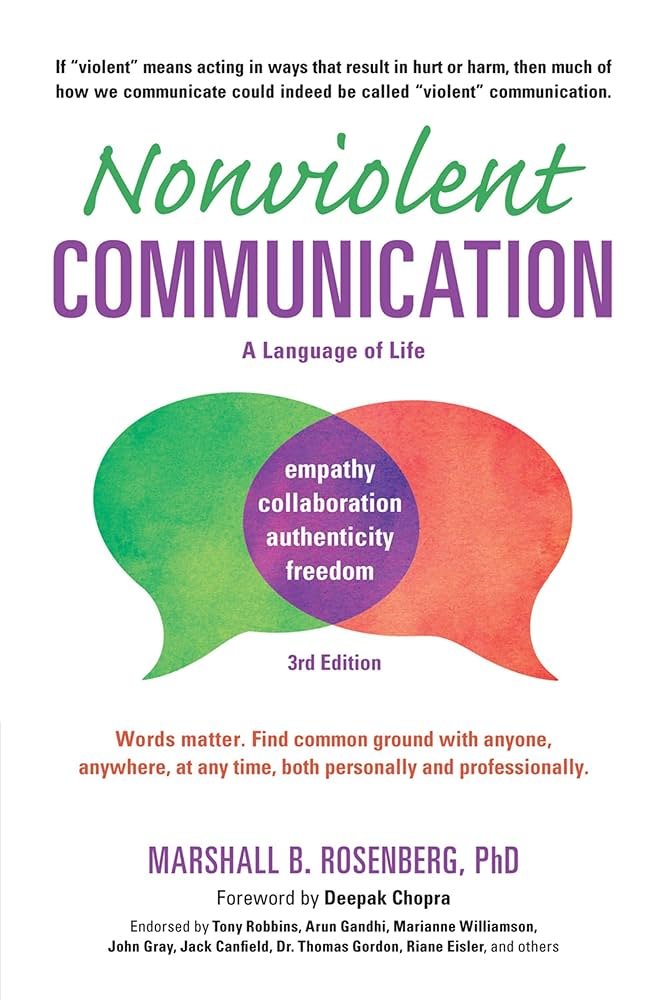
Rosenberg MB, Chopra D. Nonviolent communication: A language of life: Life-changing tools for healthy relationships. Puddledancer press; 2015 Sep 1.
Patterson K, Grenny J, McMillan R, Switzler A. Crucial conversations: tools for talking when stakes are high. 2nd ed. New York: McGraw-Hill; 2012.