
Week 24: Motivating Without Money
不靠金錢,也能激勵人
Time: 4 minute video
Category: Team Leadership 團隊領導
Money matters, but once people are paid fairly, it is not what makes them care about their work. In a hospital, you often cannot give someone a raise or a promotion, so it can feel like you have no real way to motivate your team. You do. The strongest motivation comes from inside a person, and there are three things you can give that feed it, all of them free.
This week's video is about those three: autonomy (a say in how the work gets done), mastery (a chance to get better), and purpose (a clear reason the work matters). Used well, they keep good people engaged, even when pay and titles cannot change.
薪水當然重要,但是當一個人的薪水已經算公平之後,真正讓他在乎工作的,其實不是錢。在醫院裡,你常常沒辦法直接幫一個人加薪或升遷,所以有時候會覺得,自己好像沒什麼方法可以激勵團隊。其實你有。最強的動機來自一個人的內心,而你可以給的、能養出這種動機的,有三樣東西,而且都不用花錢。
這禮拜的影片,就是談這三樣:自主(對「怎麼做」有發言權)、精進(有機會把事情做得更好)、意義(一個清楚的理由,知道工作為什麼重要)。用得好的時候,就算薪水和職稱沒辦法改變,也能讓好的人才繼續投入。
English Version
中文版 (AI)
Summary of Video
The Core Idea
Most leaders think motivation comes from rewards and pressure: do this, get that. For careful, skilled, caring work, that kind of motivation is weak. The strong kind comes from inside the person, and three things feed it, none of which cost money: autonomy, mastery, and purpose. Autonomy is giving people a say in how they do their work, while you still set the goal. Mastery is giving them a chance to get better at it. Purpose is helping them see why the work matters and who it helps. Fair pay still comes first; this is about everything you can add on top of fair pay.
Why does this matter for leaders at KFSYSCC?
In a hospital, pay levels are largely fixed and promotions are limited, so the usual levers are often out of your hands. But the things that keep skilled people, autonomy, mastery, and purpose, are within your control every day. And in a cancer hospital, purpose is a real advantage: the work clearly helps patients. A good leader keeps that visible, especially on the hard days when people lose sight of it.
Use this tool when:
a good person has gone quiet, or seems tired of the work
you cannot offer a raise or a promotion right now
someone does solid work but is no longer interested in it
you want people to own their work, not just finish the list
a capable person is ready for more responsibility
How autonomy, mastery, and purpose works
Pick one person and choose one of the three. For autonomy, give them a say in how a task gets done, not just what to do; you set the goal, they choose the path. For mastery, offer a real chance to learn or improve a skill, and protect the time for it. For purpose, connect their work to the patient or colleague it helped, in one specific sentence. You do not need all three at once. One, done well, is enough to change how someone feels about the work.
What are the key phrases from this video?
Money matters, but it is not what makes people care.
The strongest motivation comes from inside.
Autonomy, mastery, purpose: a say, a chance to grow, a reason that matters.
You set the goal, they choose the path.
Same job, same pay, a reason to care again.
Fair pay first. Then add the three on top.
How would you describe this tool in 30 seconds?
Once people are paid fairly, money is not what keeps them motivated. Three free things do: autonomy (a say in how they work), mastery (a chance to get better), and purpose (knowing why the work matters and who it helps). You set the goal, but let people choose how to reach it; give them a chance to grow; and remind them, specifically, who their work helped. This week, pick one person and give them just one of the three.
影片摘要
核心概念
很多主管以為,動機是靠獎勵和壓力來的:做這個,就給你那個。但是對於需要細心、專業、又有溫度的工作,這種動機其實很弱。真正強的動機,來自一個人的內心,而能養出這種動機的,有三樣東西,而且都不用花錢:自主、精進、意義。自主,是讓人對「怎麼做」有發言權,目標還是你定。精進,是給他機會把事情做得更好。意義,是幫他看見工作為什麼重要、又幫到了誰。公平的薪水仍然是第一位的;這裡談的,是在公平薪水之上,你還能多給的東西。
為什麼這對和信醫院的領導者很重要?
在醫院裡,薪資大致是固定的,升遷的機會也有限,所以平常那些方法,常常不在你手上。但是真正能留住好人才的東西,自主、精進、意義,每天都在你的掌握之中。而且在癌症醫院,意義是一個真正的優勢:我們的工作,很明顯就是在幫病人。好的主管,會讓這件事一直被看見,尤其是在大家很累、容易忘記的那些日子。
什麼時候會用到這個工具?
一個原本不錯的人變得安靜了,或對工作提不起勁
你現在沒辦法幫他加薪或升遷
有人工作做得很穩,但已經對它沒有興趣了
你希望大家是真的在乎自己的工作,而不只是把清單做完
有能力的同仁,已經準備好可以承擔更多
自主、精進、意義怎麼運作
挑一個人,從這三樣裡選一樣。自主:在「怎麼做」上給他發言權,而不只是叫他做什麼;方向你定,路他選。精進:給他一個真正去學、去把某個本事練得更好的機會,並且幫他把時間留出來。意義:用一句具體的話,把他的工作和它幫到的那位病人或同事連起來。你不需要三樣一次給。一樣,做得好,就足以改變一個人對工作的感覺。
這支影片的關鍵句是什麼?
錢很重要,但它不是讓人真正在乎的原因。
最強的動機,來自內心。
自主、精進、意義:有發言權、有機會變強、有一個值得的理由。
方向你定,路他選。
一樣的工作、一樣的薪水,卻多了一個在乎的理由。
先有公平的薪水,再把這三樣加上去。
用 30 秒怎麼描述這個工具?
當一個人的薪水已經算公平之後,真正讓他保持動力的,就不是錢了。有三樣不用花錢的東西可以:自主(對怎麼做有發言權)、精進(有機會變得更好)、意義(知道工作為什麼重要、幫到了誰)。目標你定,但讓他自己選怎麼達成;給他成長的機會;並且具體地提醒他,他的工作幫到了誰。這禮拜,挑一個人,從這三樣裡只給他一樣。
Scripts for Leaders
Short, specific sentences you can use to give one of the three. Be genuine, and follow through.

-
You decide how to do this part. I trust your judgment. Tell me what you need.
-
Here is what we need by Friday. How you get there is up to you.
-
Would you like to learn this? I will make the time for it.
-
I think you are ready for this. I will be here if you get stuck.
-
Because of the work you did, that patient got their result a day sooner.
-
You have gotten noticeably better at this. I have seen it.
-
I cannot change your pay right now, and I wish I could. What I can do is give you more say in your work, or a chance to learn something new. What would matter most to you?
-
What part of your work do you find most meaningful?
-
giving a say on the goal instead of the how, then being surprised by the result
offering a chance to grow, but protecting no time to actually do it
praising in vague terms (“good job”) instead of naming the specific impact
using purpose to avoid fixing unfair pay or a real workload problem
deciding what motivates someone, instead of asking them
給主管的對話腳本
這些句子請簡短、具體,而且要真誠、說到做到。
-
「這部分你決定怎麼做,我相信你的判斷。需要什麼跟我說。」
-
「禮拜五前我們需要這個。怎麼做到,你決定。」
-
「你想不想學這個?我幫你把時間挪出來。」
-
「我覺得你準備好了。卡住的話,我都在。」
-
「因為你做的這件事,那位病人早一天拿到了結果。」
-
「這件事你明顯做得更好了,我有看到。」
-
「我現在沒辦法改變你的薪水,我也希望我可以。我能做的,是在工作上多給你一點發言權,或是一個學新東西的機會。對你來說,哪一個最重要?」
-
「你的工作裡,哪一部分讓你覺得最有意義?」
-
把發言權給在「目標」上,而不是「方法」上,結果又對成果感到意外
給了「成長的機會」,卻沒有真的把時間留出來
用很模糊的話稱讚(「做得好」),而不是講出具體的影響
把「意義」拿來迴避不公平的薪水、或真正的工作量問題
自己決定別人被什麼激勵,而不是去問他

Supporting Research
-
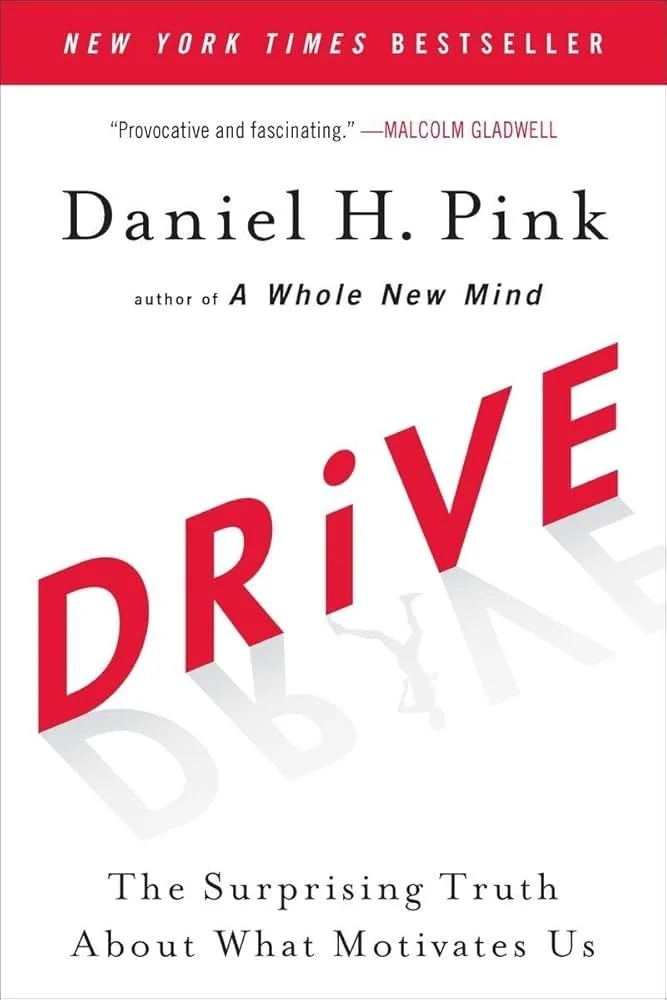
The three drivers, autonomy, mastery, and purpose, come from Daniel Pink's book Drive, which draws on decades of research by Edward Deci and Richard Ryan (self determination theory). The finding is consistent: for work that needs judgment and care, intrinsic motivation predicts better engagement and persistence than rewards and pressure alone. People also commit more to choices they make themselves.
-
This is not a reason to underpay anyone. Fair pay comes first; when pay feels unfair, these three cannot make up for it. Simple, routine tasks can still respond well to clear rewards. And autonomy without clarity turns into confusion, so the goal and the limits must stay clear.
-
Pay scales here are largely fixed, so autonomy, mastery, and purpose are the levers most within a leader's reach. We use them on purpose: give people a say in how, protect time to build skill, and keep the connection to patients visible, while still advocating for fair pay and a reasonable workload.
支持性研究
-
自主、精進、意義這三個動力,出自 Daniel Pink 的著作《動機,單純的力量》,背後是 Edward Deci 與 Richard Ryan 數十年的研究(自我決定理論)。結論很一致:對於需要判斷力和用心的工作,內在動機比起單靠獎勵和壓力,更能預測投入度與持久度。而且,人對自己做的選擇,會更願意投入。
-
這不是用來合理化「少付薪水」的理由。公平的薪水是第一位的;當人覺得薪水不公平,這三樣是補不回來的。對於單純、重複的工作,清楚的獎勵其實還是有效的。另外,只有自主、卻沒有清楚的方向,就會變成混亂,所以目標和界線還是要講清楚。
-
我們這裡的薪資制度大致是固定的,所以自主、精進、意義,是主管最能著力的地方。我們刻意去用:在「怎麼做」上給人發言權、挪出時間幫人練本事、讓工作和病人的連結一直看得見;同時,也持續替同仁爭取公平的薪水和合理的工作量。
Bonus Clips
加碼影片
If you want a quick outside perspective, here are three videos that reinforce this week’s lesson:
如果你想快速聽聽外部觀點,以下三支影片會呼應本週課程的重點:
References
Deci EL, Koestner R, Ryan RM. A meta-analytic review of experiments examining the effects of extrinsic rewards on intrinsic motivation. Psychol Bull. 1999;125(6):627-68.
Cerasoli CP, Nicklin JM, Ford MT. Intrinsic motivation and extrinsic incentives jointly predict performance: a 40-year meta-analysis. Psychol Bull. 2014;140(4):980-1008.
Ariely D, Gneezy U, Loewenstein G, Mazar N. Large stakes and big mistakes. Rev Econ Stud. 2009;76(2):451-69.
Herzberg F. One more time: how do you motivate employees? Harv Bus Rev. 1968;46(1):53-62.
Amabile TM, Kramer SJ. The progress principle: using small wins to ignite joy, engagement, and creativity at work. Boston: Harvard Business Review Press; 2011.
Pink DH. Drive: the surprising truth about what motivates us. New York: Riverhead Books; 2009.
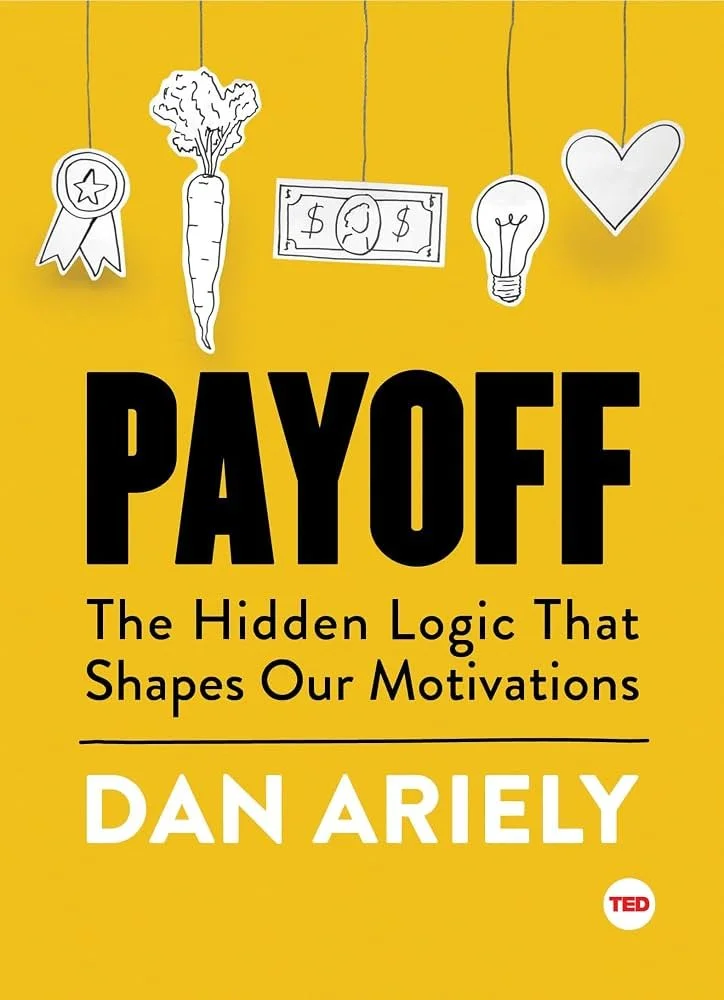
Ariely D. Payoff: the hidden logic that shapes our motivations. New York: TED Books/Simon & Schuster; 2016.