
Week 23: Coaching Instead of Fixing
當教練,而不是直接給答案
Time: 5 minute video
Category: Team Leadership 團隊領導
Coaching is one of the most useful skills a leader has, but it is easy to skip. When someone brings you a problem, the quickest response is to give the answer. This week's video looks at a different move: coaching the person through the problem with a few good questions, so they reach their own answer and build the skill to handle the next one.
To do this, you use a simple model called GROW: Goal, Reality, Options, Will. You give the thinking back to the person, and guide with questions. Over time, your team solves more on its own, and you get back time for the work that only you can do.
教練式領導,是主管最有用的能力之一,但我們常常跳過它。當有人帶著問題來找你,最快的反應就是直接給答案。本週影片想談的是另一種做法:用幾個好問題,帶這個人想過一遍,讓他自己找到答案,也練出下一次自己處理的能力。
要做到這件事,可以用一個簡單的模型,叫做 GROW:目標、現況、選擇、行動。你把「思考」這件事還給對方,自己用問題引導。時間久了,你的團隊會更能自己解決問題,你也能空出時間,去做那些只有你能做的事。
English Version
中文版 (AI)
Summary of Video
The Core Idea
Coaching is not about having the right answer. It is about helping the other person find theirs. When a problem lands on your desk, the instinct is to solve it, because you often can, and it feels efficient. But every time you give the answer, you also teach people to bring you the next one. Coaching does the opposite. You stay curious a little longer, ask a few good questions, and let the person do the thinking. The problem still gets solved, and at the same time the person gets better at solving it. Over many small moments, that is how a team's judgment grows.
Why does this matter for leaders at KFSYSCC?
In a hospital, your team meets small problems all day. If every one comes to you, they wait for you and don't build their own judgment. Coaching builds that skill a little at a time, and frees your attention for the work only you can do. It is not about having all the answers. It is about asking the questions that help people find them.
Use this tool when:
someone brings you a problem they could work out themselves
you keep solving the same kinds of problems for people
you want to build your team's judgment, not just clear today's list
a capable person is ready to think more for themselves
the situation is not urgent and there is room to learn
How GROW works
GROW gives you four questions, in order. Goal: ask what they want to happen, so you are both solving the same problem. Reality: ask what is happening now, then listen properly, because you will often learn something you did not know. Options: ask what they could do, and then the most useful question in coaching, “And what else?” The first idea is rarely the best, so a second and third are worth a few extra seconds. Will: ask what they will try first. They choose, which is what makes them follow through. You guide the conversation, but they do the work.
What are the key phrases from this video?
Don't give the answer. Help them find it.
Fixing solves one problem. Coaching builds the skill.
GROW: Goal, Reality, Options, Will
Ask “And what else?” The first idea is rarely the best.
Lead with questions, not answers.
Urgent? Give the answer. Everything else? Ask.
How would you describe this tool in 30 seconds?
When someone brings you a problem and it is not urgent, do not jump to the answer. Walk them through GROW. Ask what they want (Goal), what is happening now (Reality), what they could do (Options, then “And what else?”), and what they will try first (Will). Let them choose, so they own it. You lead with questions, not answers.
影片摘要
核心概念
當教練,重點不在於你有沒有正確答案,而在於幫對方找到他自己的答案。當問題來到你面前,你的直覺會想直接解決,因為你通常做得到,而且這樣很有效率。但你每給一次答案,也等於在教大家:下一個問題也來找你。當教練剛好相反。你多停留一下、保持好奇,問幾個好問題,讓對方自己思考。問題一樣會被解決,而且同時,對方解決問題的能力也變強了。在一個又一個小時刻裡,團隊的判斷力就是這樣長出來的。
為什麼這對和信醫院的領導者很重要?
在醫院裡,你的團隊一整天都會遇到大大小小的問題。如果每一件都來問你,他們就會等你,也練不出自己的判斷力。當教練,可以一點一點幫他們把能力練起來,也讓你把注意力留給只有你能做的事。重點不是你要有所有答案,而是你會問出幫他們找到答案的問題。
什麼時候會用到這個工具?
有人帶來一個其實他自己可以想出來的問題
你一直在幫大家解決同一類的問題
你想培養團隊的判斷力,而不只是把今天的事做完
有能力的同仁已經準備好可以多自己想一想
事情不緊急,而且有讓對方學習的空間
GROW 怎麼運作
GROW 給你四個依序要問的問題。目標:問他希望變成什麼樣子,讓你們是在解決同一個問題。現況:問他現在是什麼情況,然後好好聽,你常常會聽到原本不知道的事。選擇:問他可以怎麼做,接著再問教練裡最有用的一句:「還有呢?」第一個想法通常不是最好的,多花幾秒問出第二、第三個很值得。行動:問他想先試哪一個。由他自己選,他才會真的去做。你引導對話,但做事的是他。
這支影片的關鍵句是什麼?
不要直接給答案,幫他找到答案。
直接解決,只解決一次;當教練,培養能力。
GROW:目標、現況、選擇、行動
多問一句「還有呢?」第一個想法通常不是最好的。
用問題帶人,不是用答案帶人。
緊急的時候給答案,其他時候用問的。
用 30 秒怎麼描述這個工具?
當有人帶著一個不緊急的問題來找你,先別急著給答案。帶他走一遍 GROW:問他想要什麼(目標)、現在是什麼情況(現況)、他可以怎麼做(選擇,然後再問「還有呢?」)、以及他想先試什麼(行動)。讓他自己選,他才會真的去做。你是用問題帶人,不是用答案帶人。
Scripts for Leaders
Keep these short and warm. Lead with questions, not answers.

-
“What would a good result look like for you?”
-
“What's happening now?”
-
“What could you do?” … then, “And what else?”
-
“What will you try first?”
-
“It's your call. What feels right to you?”
-
“Can I offer one idea, and then you decide?”
-
“I could decide this, but you are closer to it than I am. What is your read?”
-
“If you had to guess, what might work?”
-
“How did it go? What did you learn?”
-
jumping to the answer before they have had a chance to think
stopping at their first idea, instead of asking “And what else?”
asking questions, but then overriding the choice they make
coaching when the situation is actually urgent
turning advice into a fake question, like “Have you tried just doing X?”
-
Item description
給主管的對話腳本
這些句子請盡量簡短、溫暖。用問題帶人,不是用答案帶人。
-
「對你來說,怎樣算是好的結果?」
-
「那現在是什麼情況?」
-
「那你可以怎麼做?」……然後再問:「還有呢?」
-
「那你想先試哪一個?」
-
「這你決定就好。你覺得哪個比較適合?」
-
「我可以提一個想法嗎?最後還是你決定。」
-
「我是可以決定,但你比我更靠近現場。你的判斷是什麼?」
-
「如果要你猜,你覺得什麼可能會有用?」
-
「後來怎麼樣?你從中學到什麼?」
-
還沒給他想,就先把答案說了
停在他的第一個想法,沒有再問「還有呢?」
問了問題,最後又推翻他的選擇
事情其實很緊急,卻還在當教練
把建議包裝成假問題,例如「你怎麼不乾脆做 X 就好?」

Supporting Research
-
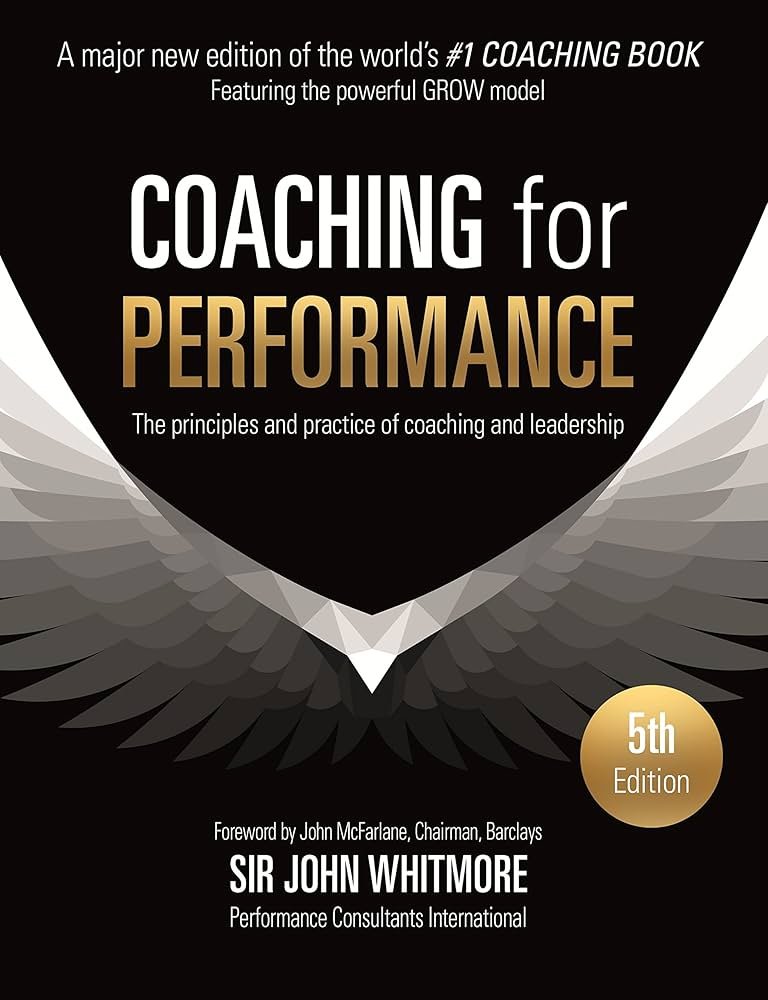
GROW (from John Whitmore's Coaching for Performance) is one of the most widely used coaching models. Research on coaching, and on autonomy and motivation (Deci and Ryan), shows that people are more committed to solutions they reach themselves, and that asking good questions builds problem-solving skill and engagement over time.
-
Coaching is not for emergencies, and not when a person does not yet have the knowledge to act safely. In those moments, give clear direction. Questions used to hide advice (“Don't you think you should…?”) break trust. The aim is real curiosity, within the person's competence and the safety of the situation.
-
Many everyday problems on a unit can be worked out by the person closest to them. Coaching those moments builds judgment across the team and reduces how often work waits for one leader, while urgent and safety-critical decisions still get a fast, clear answer.
支持性研究
-
GROW(出自約翰‧惠特默的《高績效教練》)是世界上最常用的教練模型之一。關於教練、以及自主與動機的研究(Deci 與 Ryan)顯示:人對於自己想出來的解法,會更願意去執行;而好的提問,能隨著時間培養出解決問題的能力與投入感。
-
教練不適用於緊急狀況,也不適用在對方還沒有足夠知識、無法安全行動的時候。這些時刻,請直接給清楚的指示。用問題來包裝建議(「你不覺得你應該……嗎?」)會破壞信任。重點是真正的好奇,並且在對方的能力範圍與情況的安全範圍之內。
-
單位裡很多日常的問題,最靠近現場的人其實可以自己想出來。在這些時刻當教練,能培養整個團隊的判斷力,也減少工作一直卡在某一位主管身上;而緊急、攸關安全的決定,仍然要快速、清楚地給答案。
Bonus Clips
加碼影片
If you want a quick outside perspective, here are three videos that reinforce this week’s lesson:
如果你想快速聽聽外部觀點,以下三支影片會呼應本週課程的重點:

References
Whitmore J. Coaching for performance: the principles and practice of coaching and leadership. 5th ed. London: Nicholas Brealey Publishing; 2017.
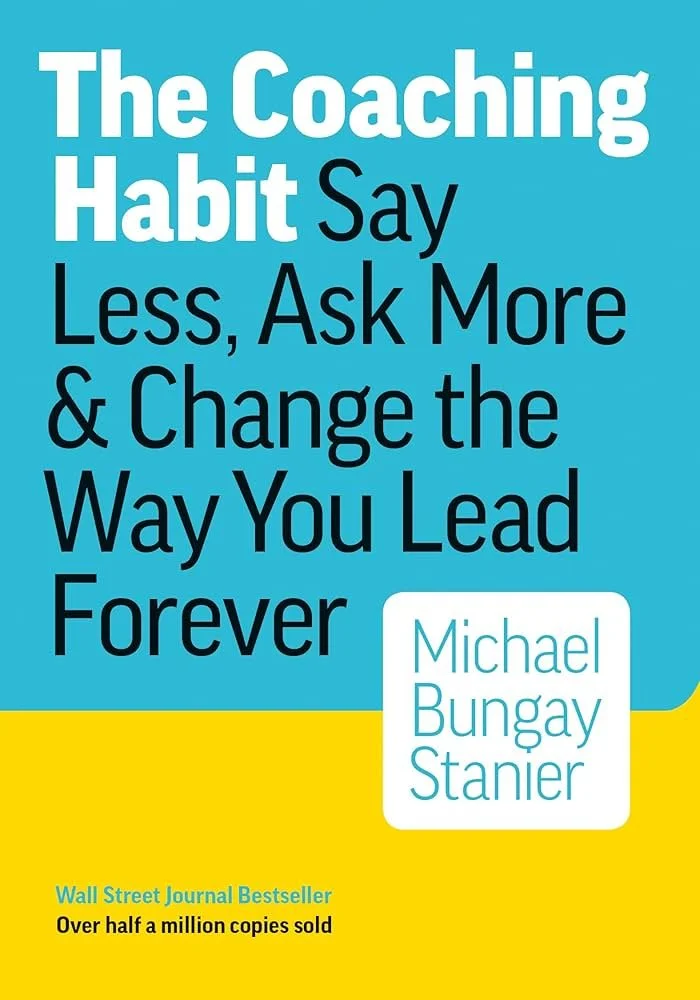
Bungay Stanier M. The coaching habit: say less, ask more and change the way you lead forever. Toronto: Box of Crayons Press; 2016.
Ryan RM, Deci EL. Self-determination theory and the facilitation of intrinsic motivation, social development, and well-being. Am Psychol. 2000;55(1):68–78.
International Coaching Federation. ICF core competencies [Internet]. Lexington (KY): International Coaching Federation; 2025 [cited 2026 Jun 8]. Available from: https://coachingfederation.org/credentialing/coaching-competencies/icf-core-competencies/