
Week 22: Delegation That Builds Capacity
培養團隊能力的授權
Time: 5 minute video
Category: Team Leadership 團隊領導
Delegation is one of the most useful skills a leader has. But it is easy to use it only to save your own time. This week's video looks at a different goal. It is about using delegation to build capacity, so that more than one person can do each important job.
When you hand work to someone in order to help them grow, your team becomes stronger and safer over time. That means choosing the right person, explaining the goal and the limits clearly, and then stepping back to support them. When delegation is skipped or rushed, the work stays stuck with one person, and every absence becomes a risk to patients.
授權,是主管最有用的能力之一。但我們常常只把它用來節省自己的時間。本週影片想談的是另一個目標:用授權來「培養團隊的能力」,讓每一件重要的工作,不會只有一個人會做。
當你把工作交給某個人,是為了幫他成長,你的團隊會隨著時間變得更強,也更安全。做法是:選對人、把目標和限制講清楚,然後放手在旁支持。但如果省略或草率地授權,工作就會一直卡在一個人身上,而那個人一旦請假,對病人就是風險。
English Version
中文版 (AI)
Summary of Video
Why does this matter for leaders at KFSYSCC?
In a hospital, it is common for one person to be the only one who knows how to do an important task, such as preparing a report, running a schedule, or handling a certain situation. It feels efficient, until that person is on leave. Then a small task can become a real risk to patients. When delegation is done well, it spreads important skills across more people, so the team stays safe and steady when someone is away. It also gives capable staff a real chance to grow. The goal of delegation is not only to reduce the leader's workload. It is to build the team's capacity.
Use this tool when:
only one person knows how to do an important task
you have become the bottleneck for work that others could learn
you keep giving the same task to your most capable (and busiest) person
a capable team member is ready to grow but has not been stretched
you want the team to stay safe when someone is on leave
you tend to take a task back the moment it becomes difficult
What are the key phrases from this video?
Good delegation grows people
Do not just move tasks. Build skill.
If only one person can do it, that is a risk
Choose, then Explain, then Support
Different is not wrong
Share the work, keep the responsibility
This week: give one task to help one person grow
How would you describe this tool in 30 seconds?
When you delegate, do not only ask, “Who has time?” Ask, “Who would grow from this?” Then use three steps. First, choose the right person. Pick someone who can do most of it now and will learn from the rest. Second, explain three things: the goal, the limits, and one time to check in. Third, support them. Let them do it their own way, and try not to take the task back when it gets hard. You give the task away, but you stay responsible for the result. When you do this well, more people can do important work, and the team gets stronger.
影片摘要
為什麼這對和信醫院的領導者很重要?
在醫院裡,常常會有一種情況:一件重要的工作,只有一個人會做,可能是準備某份報表、排某個班表,或處理某種特殊狀況。平常看起來很有效率,直到那個人請假。這時候,一件小事就可能變成病人的風險。做得好的授權,會把重要的技能分散到更多人身上,讓團隊在有人不在的時候,依然安全、穩定。它同時也給有能力的同仁一個真正成長的機會。授權的目的,不只是減輕主管的工作量,而是培養整個團隊的能力。
什麼時候會用到這個工具?
一件重要的工作,只有一個人會做
你變成了某些工作的瓶頸,而那些工作其實別人可以學
你總是把同樣的工作,交給最能幹(也最忙)的那個人
有能力的同仁已經準備好成長,卻一直沒有機會被賦予挑戰
你希望團隊在有人請假時,仍然能維持安全
你常常在事情一變難,就馬上把任務收回來
這支影片的關鍵句是什麼?
好的授權,會讓人成長
別只是分工作,要培養能力
一件事只有一個人會做,就是風險
先選人,再說明,然後支持
不一樣,不代表錯
工作交出去,責任留下來
這禮拜:交出一件工作,幫一個人成長
用 30 秒怎麼描述這個工具?
要授權的時候,不要只問「誰有空?」要問「誰能從這件事學到東西?」然後用三個步驟。第一,選人:選一個現在就能做大部分、剩下的還能邊做邊學的人。第二,說明:把目標、限制,還有一個確認時間講清楚。第三,支持:讓他用自己的方式做,事情變難的時候,盡量不要把任務收回來。你把工作交出去,但結果的責任還是在你身上。做得好,就會有更多人能做重要的工作,團隊也會更強。
Scripts for Leaders
Keep these short and warm. The goal is not to give instructions. It is to hand over the work clearly and let the person grow.

-
I'd like you to take this on. I think it's a good chance for you to grow, and I'll support you.
-
Here's what a good result looks like: a clear summary the team can actually use.
-
Two things can't change: the safety check and the deadline. Please confirm those with me.
-
Let's talk on Wednesday to see how it's going. You don't need to wait until it's finished.
-
It's organized a little differently than I would, but it works well, so let's keep it.
-
There's a problem here, but let's solve it together, rather than me doing it for you.
-
Just one thing to improve for next time, not ten.
-
delegating only the tasks you don't enjoy
always giving the work to the person who is already best at it
handing over a vague task with no goal, no limits, and no time to check in
taking the task back at the first problem
confusing delegation with stepping away from responsibility for safety
correcting ten things when one would help more
給主管的對話腳本
這些句子請盡量簡短、溫暖。目標不是「下指令」,而是把工作清楚地交出去,讓對方有機會成長。
-
我想把這件事交給你。我覺得這對你是一個成長的好機會,我會支持你。
-
好的結果是這樣:一份團隊可以直接拿來用的清楚摘要。
-
有兩件事不能變:安全確認和截止時間。這兩個請跟我確認。
-
我們禮拜三聊一下進度。你不用等到全部做完,才來找我。
-
這跟我平常的做法有點不一樣,但做得很好,就照你的方式。
-
這裡有個問題,但我們一起解決,而不是我幫你做完。
-
下次可以改進一個地方就好,不用十個。
-
只把自己不喜歡的工作交出去
永遠把工作交給那個最會做的人
丟一個很模糊的任務,沒有目標、沒有限制、也沒有確認時間
事情一出問題,就馬上收回來
把「授權」誤會成「不再對安全負責」
一次糾正十件事,其實只講一件會更有幫助

Supporting Research
-
This week's idea connects with research on leadership development, situational leadership, and team reliability. Leaders grow capability when they match tasks to a person's readiness, give clear expectations, and allow autonomy with support. In healthcare, training more than one person for each key task, and reducing the reliance on any single person, are widely recommended ways to improve safety and continuity of care.
-
Delegation is not the same as handing off work and walking away. Without a clear goal, clear limits, and a way to follow up, delegation can increase errors and stress rather than reduce them. Tasks that carry real clinical risk still need the right training and supervision. The aim is to grow capability safely, within a person's scope, and not to push work beyond it.
-
In a hospital, patient safety depends on more than one person being able to do each important job. When we deliberately build a second and third person who can cover a key task, we reduce risk during leave, holidays, and busy periods. It also creates a steady group of staff who are ready for larger responsibilities, and that is how strong teams sustain themselves over time.
支持性研究
-
本週的概念,和領導力發展、情境領導,以及團隊可靠度的研究很接近。當主管根據一個人的準備程度來分派工作、把期待講清楚,並在支持下給予自主空間,就能培養出能力。在醫療領域,讓不只一個人會做每一件關鍵工作,並減少對單一個人的依賴,普遍被認為能提升安全與照護的連續性。
-
授權不等於「把工作丟出去就不管了」。如果沒有清楚的目標、清楚的限制,以及後續確認的方式,授權反而可能增加錯誤和壓力。真正有臨床風險的工作,仍然需要足夠的訓練和督導。目標是在一個人的能力範圍內,安全地培養能力,而不是把工作推到超出他能力的地方。
-
在醫院裡,病人安全仰賴「不只一個人」會做每一件重要的工作。當我們刻意培養第二個、第三個能接手關鍵任務的人,就能降低在請假、連假和忙碌時段的風險。它同時也培養了一群隨時準備好承擔更多責任的同仁,這正是強健的團隊能夠長久維持的方式。
Bonus Clips
加碼影片
If you want a quick outside perspective, here are three videos that reinforce this week’s lesson:
如果你想快速聽聽外部觀點,以下三支影片會呼應本週課程的重點:

References
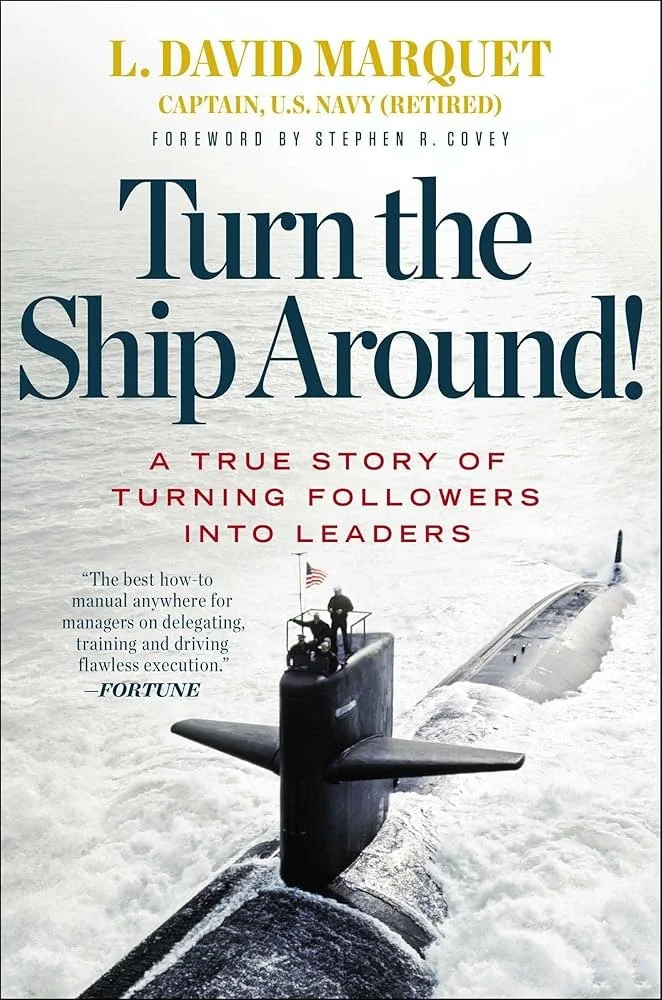
Marquet LD. Turn the ship around!: A true story of turning followers into leaders. Penguin; 2013 May 16.
Wiseman L. with Greg McKeown. Multipliers: How the Best Leaders Make Everyone Smarter. 2010:21-2.
Gallo A. Why aren’t you delegating. Harvard Business Review. 2012 Jul 26;26.
Hersey P, Blanchard KH. Situational leadership. InDean’s Forum 1997 (Vol. 12, No. 2, p. 5).
King HB, Battles J, Baker DP, Alonso A, Salas E, Webster J, Toomey L, Salisbury M. TeamSTEPPS™: team strategies and tools to enhance performance and patient safety. Advances in patient safety: new directions and alternative approaches (vol. 3: performance and tools). 2008 Aug.
https://www.ncbi.nlm.nih.gov/books/NBK43686/