Week 20: Workload is Not the Problem, Load Density Is
工作量不是問題,真正的問題是「負荷密度」
Time: 6 minute video
Category: Leadership Systems 領導系統
Many leaders look at workload by asking, “How much work did the team have today?” But two teams can have the same staffing, same patient volume, and same number of tasks, while experiencing the day very differently. The difference is often not the amount of work. It is how often the work gets interrupted.
This week’s video introduces the idea of load density: how frequently attention is broken after work has already started. In hospitals, constant task switching, messages, calls, clarifications, and urgent signals can make normal work feel much heavier than it looks on paper. Strong leaders do not only ask whether there is too much work. They ask whether the system is protecting people’s attention well enough for work to be completed safely, calmly, and clearly.
很多主管看工作負荷時,會先問:「今天工作量是不是太多?」但兩個團隊可能有一樣的人力、一樣的病人量、一樣完成的任務,卻經歷完全不同的一天。真正的差別,常常不是工作量,而是工作在進行中被打斷的頻率。
本週影片介紹一個概念:負荷密度。也就是工作開始之後,注意力被中斷的頻率。在醫院裡,不斷切換任務、回訊息、接電話、處理臨時確認、分辨緊急訊號,都會讓原本正常的工作變得比紙面上看起來更沉重。好的主管不只問工作是不是太多,也會問:這個系統有沒有保護大家的注意力,讓工作可以安全、穩定、清楚地完成。
English Version
中文版 (AI)
Summary of Video
Why does this matter for leaders at KFSYSCC?
In a hospital, people can often handle a full day of work. What drains them is when that work is constantly broken apart. A nurse may start documentation, then answer a question, then switch systems, then respond to another request, then return to the original task and restart the thinking process. Nothing may look wrong in the report, but attention has been fragmented all day.
This matters because interruptions are not just annoying. Research in healthcare has linked interruptions with increased mental workload, longer task duration, task switching, and risks to patient safety, especially in medication and EHR-related work.
Leaders can reduce load density by changing how work arrives: grouping related requests, separating urgent signals from normal requests, creating protected windows for focused work, and reducing unnecessary interruptions inside important tasks.
Use this tool when:
people feel exhausted even when the workload looks normal
tasks are completed, but with constant switching and restarting
messages, calls, and questions keep interrupting focused work
important work is delayed because too many things arrive at the same time
performance issues are being blamed on people before examining the system
the team needs better spacing, not just more speed
What are the key phrases from this video?
It wasn’t the workload. It was the interruptions.
Not workload. Disruption frequency.
Fragmentation creates fatigue.
It is an attention design issue.
Systems shape how attention is spent.
Spacing matters more than speed.
Protect attention, not just workload.
How would you describe this tool in 30 seconds?
Load density is the frequency of interruption inside the work. A team may not have too much work, but the work may be arriving in a way that constantly breaks attention. When this happens, people switch tasks, restart thinking, revisit decisions, and end the day drained. Leaders can reduce load density by grouping work, protecting focus time, separating urgent signals from normal requests, and reducing avoidable interruptions. The goal is not always less work. Sometimes the goal is better spacing of the work.
影片摘要
為什麼這對和信醫院的領導者很重要?
在醫院裡,很多人其實可以完成一整天的工作。真正讓人疲憊的,常常是工作一直被切開。護理師可能開始寫紀錄,接著被問一個問題,再切換系統,再回應另一個需求,最後回到原本任務時,又要重新整理思緒。報表上可能看不出問題,但注意力已經被切碎了一整天。
這件事重要,因為中斷不只是讓人覺得煩。醫療相關研究指出,中斷和較高的心理負荷、較長的任務時間、任務切換,以及病人安全風險有關,特別是在給藥與電子病歷相關工作中。
主管可以透過改變工作進來的方式來降低負荷密度:把相關需求集中處理、把緊急訊號和一般需求分開、保留專注工作的時間區塊,並減少重要任務中的不必要中斷。
什麼時候會用到這個工具?
這個工具很適合用在以下情況:
工作量看起來正常,但大家仍然很疲憊
任務有完成,但過程一直切換、一直重新開始
訊息、電話、問題一直打斷專注工作
太多事情同時進來,讓重要工作被延後
表現下降時,大家先怪人,卻還沒有檢查系統
團隊需要的不是更快,而是更好的節奏
這支影片的關鍵句是什麼?
不是工作量的問題,是中斷的問題
不是工作量,是中斷頻率
碎片化造成疲勞
這是注意力設計問題
系統決定注意力如何被使用
重點是節奏,不是速度
保護注意力,而不只是工作量
用 30 秒怎麼描述這個工具?
負荷密度,是工作進行中被打斷的頻率。團隊不一定是工作太多,而是工作進來的方式一直切碎注意力。當這種情況發生時,大家會不斷切換任務、重新整理思緒、重做判斷,最後感到很難恢復的疲憊。主管可以透過集中工作、保留專注時間、區分緊急訊號和一般需求、減少不必要中斷,來降低負荷密度。目標不一定是減少工作,而是讓工作分布更合理。
Scripts for Leaders
Keep these short. The goal is not to tell people to concentrate harder. The goal is to help the team notice where the system is breaking attention.

-
This may not be a workload problem.
It may be an interruption problem.
-
Where is the work being broken into too many pieces?
Which tasks are people starting, stopping, and restarting?
-
Not every request needs to interrupt the current task.
Let’s clarify what needs immediate attention and what can wait.
-
Can we collect these requests and handle them together?
That may reduce unnecessary switching.
-
For this task, what would help someone finish without interruption?
Even 20 minutes of protected time can make a difference.
-
The question is not only, “Who needs to work faster?”
The better question is, “How is the work arriving?”
-
assuming fatigue always means there is too much work
asking people to respond faster without reducing interruptions
treating every message as equally urgent
blaming time management before looking at workflow design
measuring completed tasks but ignoring attention fragmentation
給主管的對話腳本
這些句子請盡量簡短。目標不是叫大家更專心,而是幫助團隊看見系統在哪裡一直打斷注意力。
-
這不一定是工作量的問題。
可能是中斷太多的問題。
-
哪一些工作一直被切成太多段?
哪些任務一直開始、停止、再重新開始?
-
不是每一個需求都需要打斷現在的工作。
我們要釐清,什麼需要立刻處理,什麼可以稍後集中處理。
-
這些需求可不可以先收集起來,一起處理?
這樣可以減少不必要的切換。
-
這件任務要怎麼安排,才能讓人完整做完?
就算只有二十分鐘不被打斷,也會有差。
-
問題不只是「誰要做快一點?」
更好的問題是:「工作是怎麼進來的?」
-
以為疲憊一定代表工作太多
要求大家更快回應,卻沒有減少中斷
把每一個訊息都當成立刻要處理
還沒看流程設計,就先怪時間管理
只看任務有沒有完成,卻忽略注意力被切碎

Supporting Research
-
This week’s idea connects with human factors, cognitive workload, interruption management, and healthcare workflow design. Studies of nursing and clinical work show that interruptions are common and can increase mental workload, lengthen task completion, and contribute to errors or safety risks. In EHR work, frequent interruptions have been associated with nurses’ mental workload and performance challenges. In medication-related work, interruptions have been repeatedly studied as a risk factor for safety.
-
Not every interruption is bad. Some interruptions carry important safety information. A patient condition may change. A critical result may need immediate attention. The goal is not to eliminate every interruption. The goal is to distinguish necessary interruptions from avoidable ones, and to design work so that routine requests do not constantly break attention.
-
At KFSYSCC, this matters because hospital work depends on attention, timing, and coordination. When too many requests arrive at once, or when normal requests look the same as urgent signals, people are forced to switch constantly. Leaders can protect attention by grouping routine work, clarifying urgency, reducing unnecessary messages, and creating short protected windows for tasks that require careful thinking.
支持性研究
-
本週影片的概念,和人因工程、認知負荷、中斷管理,以及醫療流程設計有關。護理與臨床工作的研究指出,中斷很常見,也可能增加心理負荷、拉長任務完成時間,並提高錯誤或安全風險。在電子病歷工作中,頻繁中斷和護理師心理負荷及工作表現有關。在給藥相關工作中,中斷也一直被視為重要的安全風險因素。
-
不是所有中斷都是壞事。有些中斷帶著重要的安全資訊。病人狀況可能改變,重要檢驗結果可能需要立刻處理。目標不是消除所有中斷,而是分辨哪些中斷是必要的,哪些是可以避免的,並且讓例行需求不要一直切碎注意力。
-
這對和信很重要,因為醫院工作高度依賴注意力、時機與協作。當太多需求同時進來,或一般需求和緊急訊號看起來一樣時,人就會被迫一直切換。主管可以透過集中例行工作、釐清緊急程度、減少不必要訊息,以及為需要仔細思考的任務保留短暫專注時間,來保護團隊的注意力。
Bonus Clips
加碼影片
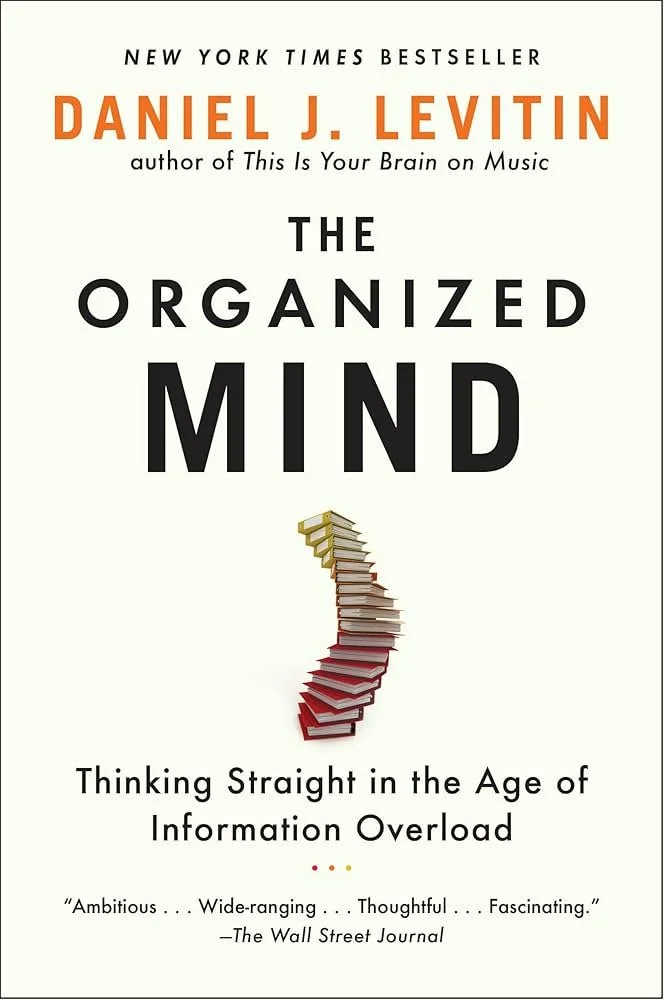
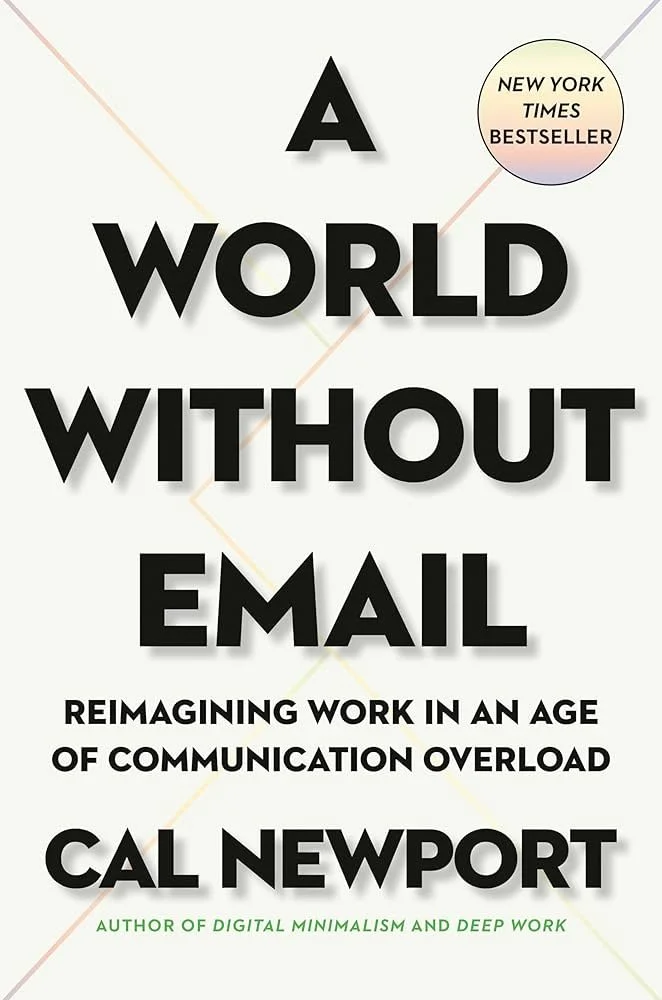
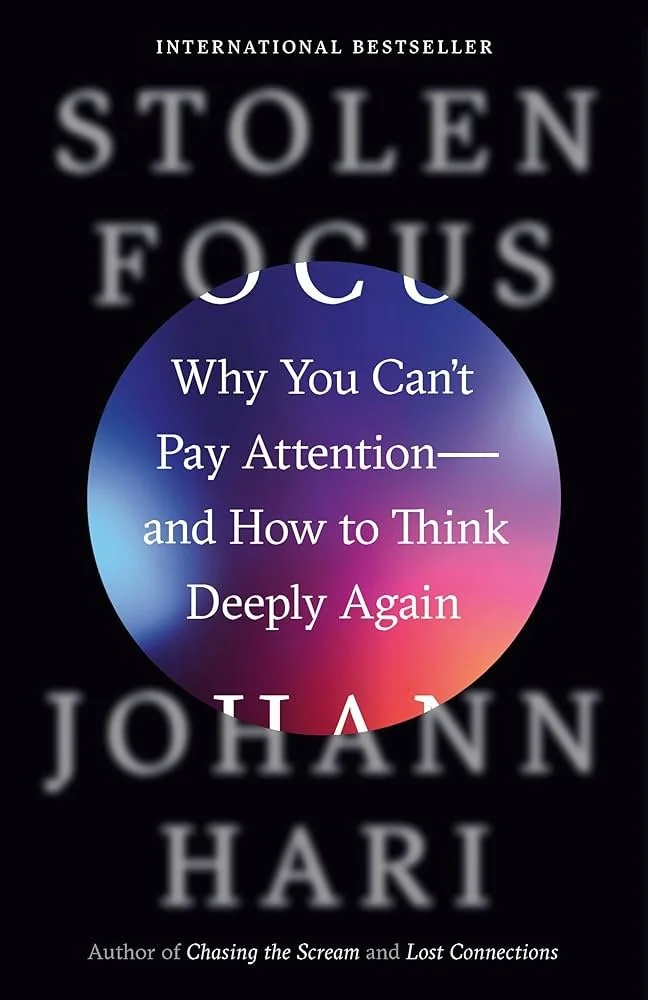
If you want a quick outside perspective, here are three videos that reinforce this week’s lesson:
如果你想快速聽聽外部觀點,以下三支影片會呼應本週課程的重點:
References
Shan Y, Shang J, Yan Y, Ye X. Workflow interruption and nurses’ mental workload in electronic health record tasks: An observational study. BMC nursing. 2023 Mar 9;22(1):63. Available from: https://pmc.ncbi.nlm.nih.gov/articles/PMC9996908/
Cole G, Stefanus D, Gardner H, Levy MJ, Klein EY. The impact of interruptions on the duration of nursing interventions: a direct observation study in an academic emergency department. BMJ quality & safety. 2016 Jun 1;25(6):457-65. Available from: https://psnet.ahrq.gov/issue/impact-interruptions-duration-nursing-interventions-direct-observation-study-academic
Johnson M, Sanchez P, Langdon R, Manias E, Levett‐Jones T, Weidemann G, Aguilar V, Everett B. The impact of interruptions on medication errors in hospitals: an observational study of nurses. Journal of nursing management. 2017 Oct;25(7):498-507. Available from: https://psnet.ahrq.gov/issue/impact-interruptions-medication-errors-hospitals-observational-study-nurses
Douglas HE, Raban MZ, Walter SR, Westbrook JI. Improving our understanding of multi-tasking in healthcare: Drawing together the cognitive psychology and healthcare literature. Applied ergonomics. 2017 Mar 1;59:45-55. Available from: sciencedirect.com/science/article/pii/S0003687016301740
Johnson M, Sanchez P, Langdon R, Manias E, Levett‐Jones T, Weidemann G, Aguilar V, Everett B. The impact of interruptions on medication errors in hospitals: an observational study of nurses. Journal of nursing management. 2017 Oct;25(7):498-507. Available from: https://pubmed.ncbi.nlm.nih.gov/28544351/
Carayon PA, Hundt AS, Karsh BT, Gurses AP, Alvarado CJ, Smith M, Brennan PF. Work system design for patient safety: the SEIPS model. BMJ Quality & Safety. 2006 Dec 1;15(suppl 1):i50-8. Available from: https://qualitysafety.bmj.com/content/15/suppl_1/i50
Gurses AP, Ozok AA, Pronovost PJ. Time to accelerate integration of human factors and ergonomics in patient safety. BMJ quality & safety. 2012 Apr 1;21(4):347-51. Available from: https://qualitysafety.bmj.com/content/21/4/347