Week 2: Saying “No” the Healthy Way 健康地說不
Time: 3 minute video
Category: People Leadership 團隊領導
In a cancer center, leaders get requests all day: “Can we skip this step?” “Can you add one more task?” “Can we make an exception?” Saying “yes” can feel supportive, but over time, too many yeses can quietly damage safety, fairness, and workload. This week’s tool is simple: AAA (Acknowledge, Answer, Alternative). Take 2 minutes to fill out the Google Form so we can learn as one leadership team. Make sure to spend 2 minutes filling out the Google Form so we can help each other build good leadership habits.
在癌症中心,主管每天都會收到各種請求:「這一步可以先省略嗎?」「可以再多加一件事嗎?」「可以破例一次嗎?」說「好」看起來很支持,但長期下來,太多的「好」可能會悄悄傷害病人安全、公平性與工作負荷。這週的工具很簡單:AAA 三步法(同理 、明確回覆 、替代方案 )。請你花 2 分鐘填寫 Google 表單,讓我們能彼此支持,一起建立良好的領導習慣。
English Version
中文版 (AI)
Summary of Video
Why does this matter for leaders at KFSYSCC?
At KFSYSCC, being supportive is not only about saying yes. It is about protecting the conditions that keep care safe and teams stable. A clear, kind ”no” helps leaders defend patient safety, prevent unfair exceptions, and reduce burnout by keeping priorities realistic.
When would you use this?
Use AAA when:
Someone asks to skip or bend a safety step “just this once.”
A last-minute request conflicts with patient care or core priorities.
You are asked to attend a non-urgent meeting but your schedule is already full.
A request would create an unfair exception or set an unsustainable precedent.
You want to say no without sounding cold, vague, or avoidant.
What are the key phrases from this video?
AAA: Acknowledge, Answer, Alternative.
Warm tone, clear boundary.
I can’t approve that.
Here’s what I can do instead.
Let’s protect safety and fix the process.
How would you describe this tool in 30 seconds?
AAA is a simple way to say no without damaging trust:
Acknowledge the person’s reality, Answer with a clear decision, then offer an Alternative next step. It keeps standards firm and relationships respectful.
影片摘要
為什麼這對和信醫院的領導者很重要?
在和信醫院,「支持同仁」不等於什麼都答應。真正的支持,是守住病人安全、公平與可長可久的工作負荷。一個清楚又溫暖的「不」,能幫主管守住標準,也保護團隊不被過度消耗。
什麼時候會用到這個工具?
當你遇到以下情況,就很適合用 AAA:
• 有人想「先省略」安全步驟或流程。
• 臨時加進來的任務,會衝突到核心優先順序。
• 被邀請參加非急迫會議,但行程已滿。
• 這個請求會造成不公平的例外,或形成不健康的慣例。
• 你想說不,但不想冷淡、模糊或逃避。
這支影片的關鍵句是什麼?
AAA 三步法:同理、明確回覆、替代方案。
語氣溫和,界線清楚。
這件事我不能核准。
我可以提供的替代方案是……
守住安全,同時改善流程。
用 30 秒怎麼描述這個工具?
AAA 是一個「不傷信任的說不法」:先同理對方,再清楚說出決定,最後給替代方案或下一步。標準不退讓,關係也能被保護。
Scripts for Leaders
Scripts make it easier to turn ideas into action. Watching a video can inspire you, but real leadership change usually happens in short, high-pressure moments where it’s hard to find the right words. The scripts give you ready-to-use phrases and structures you can adapt to your style, so you can try the skill immediately, stay consistent across teams, and spend less time figuring out what to say and more time leading well.

-
Self-talk: “Clear is kind. I can be empathetic and still hold the line.”
Team-talk: “I hear you. I can’t approve that. Here’s what we can do instead…”
-
Self-talk: “If it risks safety, the answer is no.”
Team-talk: “I get how busy it is. We can’t skip this safety step. Let’s get help or adjust the workload.”
-
Self-talk: “A yes must include what we will stop doing.”
Team-talk: “We can take this on, but we need to drop something. Which item should we deprioritize?”
-
Self-talk: “Exceptions become hidden policies.”
Team-talk: “I can’t make an exception because we need to be fair and consistent. Let’s find an option that works within the standard.”
-
Self-talk: “Delay is not avoidance when it is specific.”
Team-talk: “I can’t do this this week. Let’s revisit on (date) after we finish (priority).”
-
Self-talk: “I can offer a smaller yes without losing control.”
Team-talk: “I can’t approve the full request, but I can do X. Would that help?”
-
Self-talk: “Soft language is fine, unclear language is not.”
Team-talk: “That will be difficult. To be clear, I can’t approve it.”
-
Self-talk: “Respectful pushback protects outcomes.”
Team-talk: “I can do A or B well. I can’t do both by (deadline). Which should I prioritize?”
-
Self-talk: “Patterns mean the system needs attention.”
Team-talk: “I’ve heard this request a few times. The answer is still no, but let’s address the root cause and redesign the workflow.”
-
Self-talk: “One real conversation is better than ten intentions.”
Team-talk: “What’s one ‘no’ you need to say this week? Let’s script AAA in three sentences and do it within 24 hours.”
給主管的對話腳本
對話腳本能讓想法更容易轉化為行動。看完影片可能會受到啟發,但真正的領導力改變,往往發生在短暫、壓力很高的當下,而那時最難的是立刻找到合適的說法。這些腳本提供你可立即使用的句型與結構,你可以依照自己的風格調整,讓你能馬上練習這項技能、在不同團隊之間保持一致,也把更多時間用在好好帶領團隊,而不是苦想該怎麼說。
-
自我對話:「清楚就是善意。我可以同理,也可以守住標準。」
對團隊說:「我理解你的狀況。這件事我不能核准。替代方案是……」
-
自我對話:「只要牽涉安全,答案就是不行。」
對團隊說:「我知道你很忙,但這個安全步驟不能省略。我們來調整工作量或找支援。」
-
自我對話:「答應一件事,就要說清楚要停掉哪一件。」
對團隊說:「我們可以接,但必須放掉一件事。你希望我們把哪一項往後排?」
-
自我對話:「破例久了,就會變成默默的新規定。」
對團隊說:「我不能破例,因為我們需要公平一致。讓我們一起找一個符合標準的做法。」
-
自我對話:「有時間點的延後,不是逃避。」
對團隊說:「這週我無法處理。我們在(日期)等(優先事項完成)後再回來看。」
-
自我對話:「我可以給小一點的『是』,但不失控。」
對團隊說:「我不能全部同意,但我可以做到 X。這樣有幫助嗎?」
-
自我對話:「婉轉可以,但不能含糊。」
對團隊說:「這可能有困難。我說清楚一點:這次我無法核准。」
-
自我對話:「尊重地回推,才能保護成果。」
對上說:「我可以把 A 做好,或把 B 做好,但(期限前)無法兩個都完成。您希望我先做哪個?」
-
自我對話:「反覆出現代表系統要被處理。」
對團隊說:「我知道你又遇到同樣的困難。答案仍是不行,但我們要一起處理根本原因,調整流程。」
-
自我對話:「一次真實對話,勝過十次想像。」
對團隊說:「你這週最需要說的那個『不』是什麼?我們用 AAA 各寫一句話,24 小時內去做一次。」

Supporting Research
-
Modern healthcare work creates a constant stream of requests, interruptions, and competing priorities. Research on clinician well-being consistently shows that when job demands stay high (time pressure, volume, complexity) and job resources stay low (staffing, autonomy, support), burnout risk increases. The Job Demands-Resources (JD-R) model is one widely used framework here: demands are linked to exhaustion, while resources help protect engagement and resilience.
In safety-critical settings, “just this once” exceptions often happen under the same conditions: fatigue, urgency, and interruption. In a large direct-observation study of nurses administering medications, interruptions were common and were associated with higher rates of procedural failures and clinical errors. The study also found that error severity increased as interruptions increased.
That is why standard steps and checklists exist. They are not “bureaucracy for its own sake.” They are designed to reduce preventable harm when humans are tired and distracted. The WHO Surgical Safety Checklist (and its major evaluation) is a well-known example of how structured safety steps and communication can reduce complications and deaths. This supports a leadership principle at KFSYSCC: when a request asks to bypass a safety step, the “no” is not personal, it is protective.
There is also strong support for structured, respectful assertiveness as a patient-safety skill. TeamSTEPPS, for example, teaches specific tools for advocacy and assertion, including CUS, the Two-Challenge Rule, and the DESC script, explicitly intended to help team members “stop the line” when they sense a safety breach. Systematic reviews and meta-analyses suggest that assertive communication training can improve speaking-up behaviors in nurses and learners, especially when training is structured and supported by leadership.
Finally, relationship and morale are shaped by perceived fairness. A large meta-analytic review in organizational justice links fairness perceptions to important outcomes like job satisfaction, organizational commitment, and evaluations of authority. Practically, this supports a key boundary insight: consistent standards often protect trust better than unpredictable exceptions.
Practical meaning for leaders: a healthy “no” works best when it is clear, grounded in safety or fairness, and paired with a brief reason. Even minimal “why” language can make decisions easier to accept, so one sentence of rationale often increases buy-in without turning the conversation into a debate.
-
There is limited direct research that compares specific “refusal scripts” head-to-head in healthcare leadership. Most of what we rely on comes from broader evidence in safety culture, teamwork training, organizational justice, and burnout research. Even in communication training studies, effects vary: reviews often show improvement “to some degree,” while long-term behavior change depends heavily on reinforcement, leadership modeling, and local culture.
A major risk is treating “learning to say no” as a substitute for fixing workload, staffing, training, or workflow. Major healthcare well-being work emphasizes that burnout is driven by work-system conditions, and systems redesign is needed alongside individual skills. In other words: if the same “exceptions” keep coming up, it is often a system signal.
Another risk is using “no” as a power move. If refusal feels like rejection or punishment, teams may stop bringing concerns forward. Psychological safety research highlights that teams learn, adapt, and speak up more when people feel safe to raise issues and admit problems.
Practical meaning for leaders: use boundaries to protect patients and people, but treat recurring requests as data. If you keep needing to say no to the same thing, the best leadership move is often to fix the upstream system that keeps producing the request.
-
At KFSYSCC, we treat boundaries as a leadership behavior, not a personality trait. We protect three things:
Patient safety and ethics (non-negotiable). If a request asks us to bypass a safety step, the answer is no, even when we empathize with fatigue. Time pressure and interruptions increase risk, and checklists exist to reduce preventable harm.
Fairness and consistency. We avoid “exception drift,” where standards slowly weaken because good people keep making one-off exceptions. Consistency supports fairness perceptions, which are closely tied to trust in leadership.
Sustainable workload and quality. We name capacity limits openly. We also use mutual support practices to prevent overload when possible. TeamSTEPPS explicitly describes mutual support behaviors such as task assistance and rerouting or delaying work so an overburdened team member can recover.
To keep boundaries both warm and clear, we use AAA: Acknowledge, Answer, Alternative. This lines up with safety communication principles: acknowledge the human reality, state the boundary clearly, then problem-solve the next best step using teamwork.
When patterns repeat, we do not just “say no harder.” We look for a system fix (staffing, scheduling, workflow, tools, training) because sustainable well-being and safe care require system-level support, not only individual effort.
We also normalize respectful “speak up” language across roles. Leaders who can say “no” with clarity and care make it safer for staff to “stop the line” when they see risk, which strengthens our safety culture.
支持性研究
-
現代醫療工作會持續湧入各種請求與任務,還伴隨大量中斷與多工。關於臨床人員福祉的研究指出:當工作要求長期偏高(時間壓力、工作量、複雜度)而工作資源不足(人力、支持、可掌控度、工具),倦怠風險就會上升。工作要求-資源(JD-R)模型就是常用框架之一:工作要求更容易推升「耗竭」,而工作資源有助於保護「投入」與韌性。
在高風險的醫療情境中,「就這一次」的例外常出現在同樣條件下:疲勞、趕時間、被打斷。一項在醫院直接觀察護理師給藥流程的研究發現:中斷很常見,而且與更高比例的流程缺失與臨床錯誤相關;中斷越多,錯誤嚴重度也越高。
因此,標準步驟與檢核表不是「為了行政而行政」。它們的核心目標,是在大家疲累、分心、忙碌的狀態下,降低可避免的傷害。WHO 手術安全檢核表及其重要研究,是「用結構化確認與溝通來降低併發症與死亡」的代表案例,也支持一個實務原則:當請求要我們略過安全步驟時,主管的「不」不是針對人,而是在保護病人與團隊。
在團隊溝通方面,證據也支持「清楚且尊重的堅定表達」是一種病人安全技能。TeamSTEPPS 提供具體工具(例如 CUS、Two-Challenge Rule、DESC script),用來在察覺安全破口時「停下來確認」,讓任何角色都能把安全問題說清楚。 系統性回顧與統合分析也指出:結構化的堅定溝通訓練,能在一定程度上提升護理師與學習者的「說出來」行為,特別是當訓練設計良好、且獲得主管支持時。
另外,士氣與信任很大部分來自「是否覺得公平」。一篇大型統合分析顯示,組織公平感與工作滿意、組織承諾、對主管/權威的評價等結果有明顯關聯。換句話說:一致的界線與標準,往往比不可預期的例外更能保護信任。
給主管的實務重點是:健康的「不」要清楚、要有安全或公平的根據,並搭配一句話理由。即使很短的「為什麼」,也常能讓對方更容易接受界線,而不需要把對話變成爭辯。
-
目前針對「醫療主管拒絕請求的最佳話術」做直接比較的研究並不多。我們多半依靠安全文化、團隊訓練、組織公平、倦怠研究等較廣泛的證據來推論。即使是溝通訓練研究,效果也會因情境而不同:很多回顧都顯示「有些改善」,但要能長期維持,通常需要持續練習、主管示範、以及工作環境支持。
另一個常見風險,是把「學會說不」當作取代系統改善的方法。但倦怠越來越被視為工作系統問題,不是個人意志問題。也就是說:人力、流程、訓練、工具與排班若不調整,光靠個人技巧很難長期撐住。
再來是把「不」用成權力動作。如果拒絕讓人感到被否定或被懲罰,團隊就可能不再提出問題。心理安全感研究提醒我們:當人覺得提出疑慮是安全的,團隊才更能學習、調整,也更願意說出風險。
給主管的實務重點是:用界線保護病人與人,但把「重複出現的請求」當作資料。如果同一類例外一直發生,最有效的下一步往往不是更用力拒絕,而是修正那個一直製造例外的系統。
-
在和信(KFSYSCC),我們把界線當成「領導行為」,不是個性。我們保護三件事:
病人安全與倫理(不可談判)。 如果請求要我們略過安全步驟,答案就是不。即使同理疲憊,也要守住安全,因為趕時間與中斷會提高風險,而檢核表正是用來降低可避免傷害。
公平與一致。 我們避免「例外漂移」,也就是標準被一點一滴放鬆。公平感與對主管的信任高度相關,因此一致性本身就是在建立信任。
可持續的工作量與品質。 我們會清楚說出能力與時間的限制,也會用團隊互助來降低過載。TeamSTEPPS 的互助概念包含任務支援,以及必要時延後或改派工作,讓過載的同仁能恢復。
我們用 AAA(Acknowledge, Answer, Alternative)讓界線既溫暖又清楚:先承接對方的處境,再把答案說明白,最後提供可行的替代方案或下一步。
當同樣的狀況反覆出現,我們不只「更會說不」,也會追根究底做系統改善,例如調整人力、排班、流程、工具或訓練,因為安全與福祉需要系統支持
我們也會讓「說出來」成為跨角色的共同語言。主管能用尊重且堅定的方式說不,會讓第一線更敢在看到風險時「停下來確認」,這就是我們想要的安全文化。
Bonus Clips
加碼影片
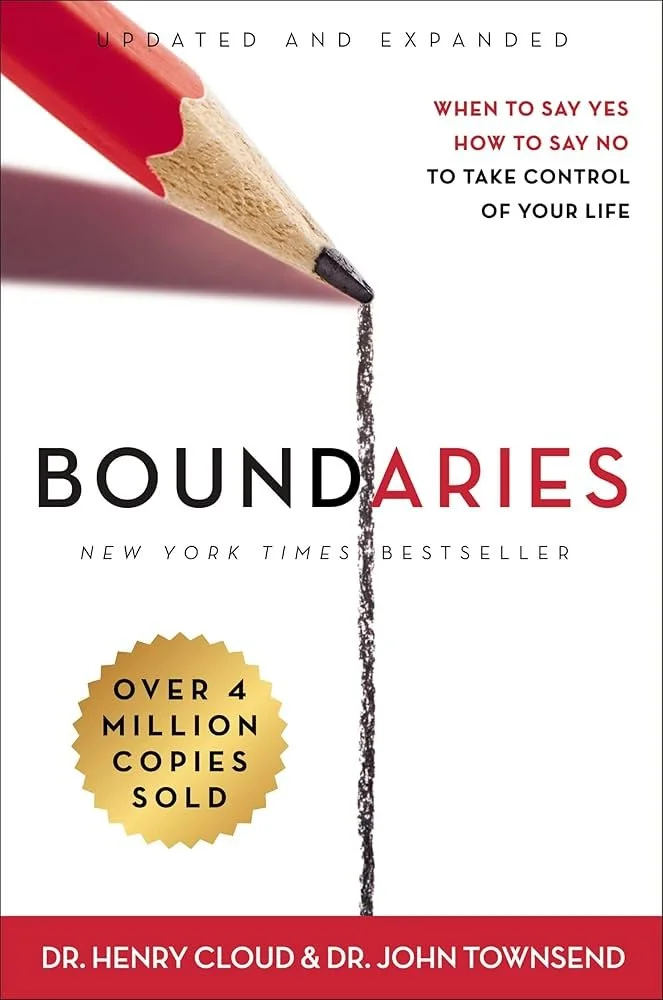
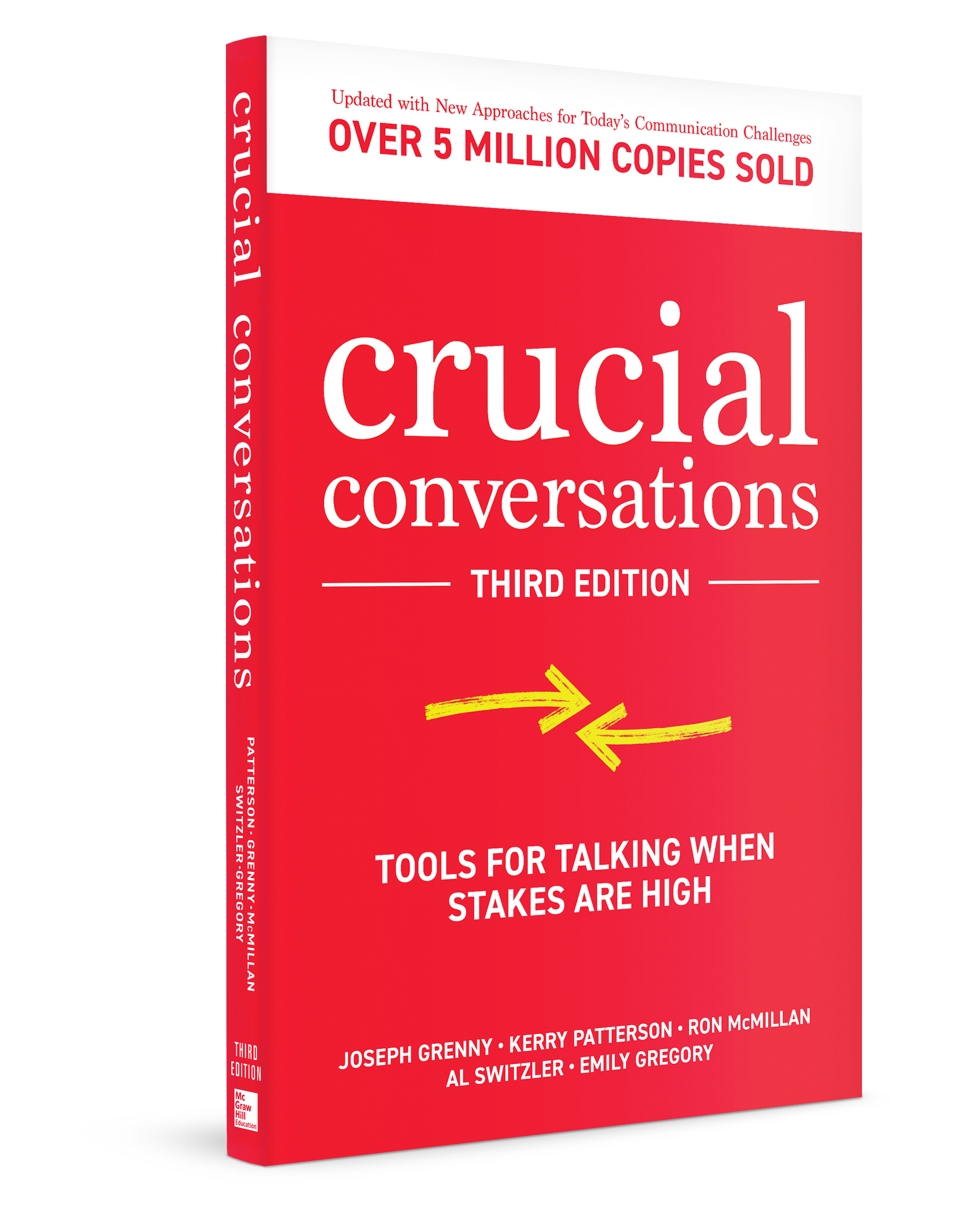
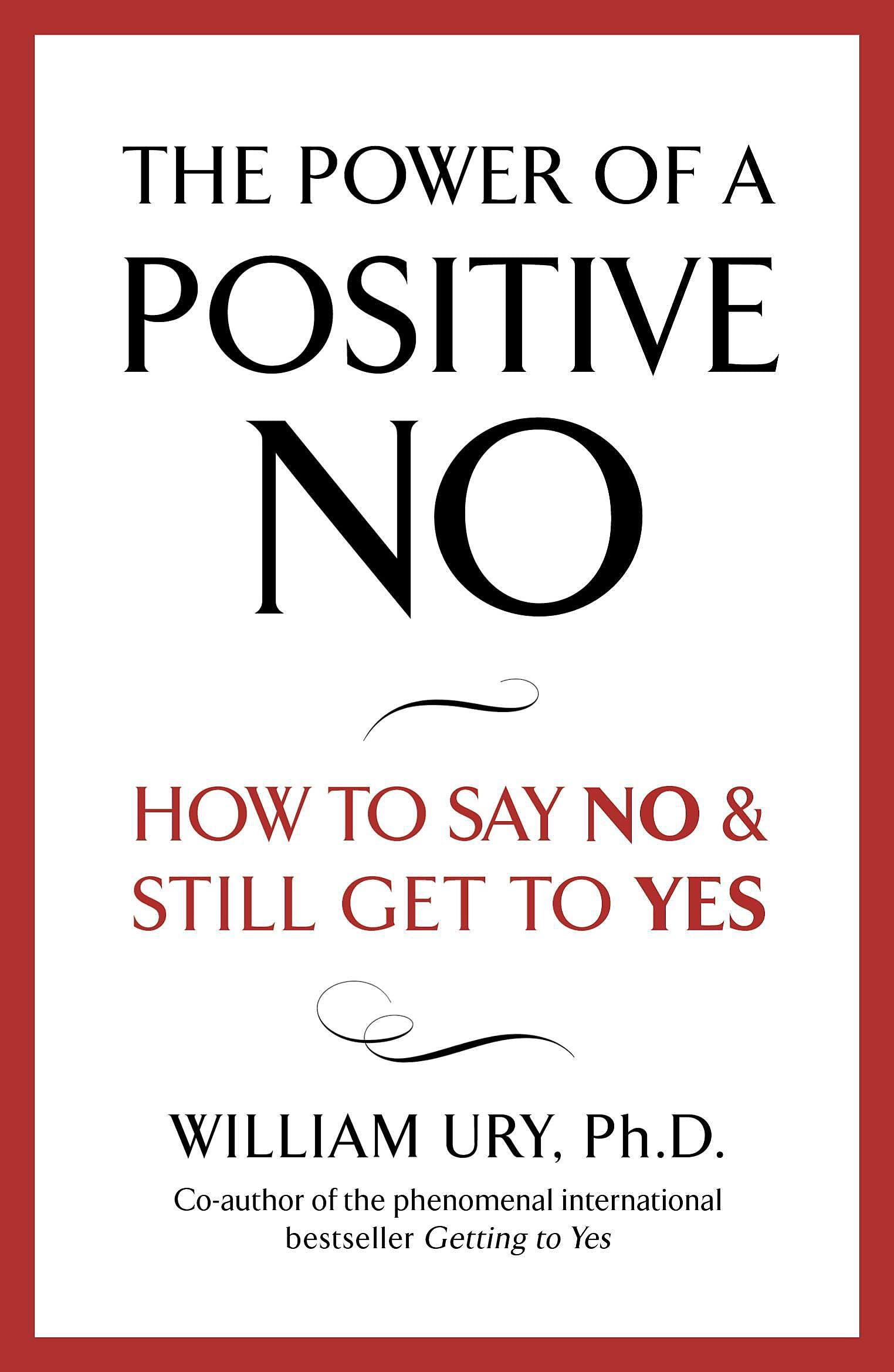
If you want a quick outside perspective, here are three videos that reinforce this week’s lesson: saying “no” is a practical leadership skill you can build through learning and practice.
如果你想快速聽聽外部觀點,以下三支影片會呼應本週課程的重點:說「不」是一項實用的領導力技能,可以透過學習與練習逐步建立。
References
Demerouti et al. (2001). The job demands-resources model of burnout.
National Academy of Medicine (2019). Taking Action Against Clinician Burnout: A Systems Approach to Professional Well-Being (summary).
Westbrook et al. (2010). Association of interruptions with an increased risk and severity of medication administration errors.
Haynes et al. (2009). A surgical safety checklist to reduce morbidity and mortality in a global population.
WHO (2010). Checklist helps reduce surgical complications, deaths.
American Hospital Association (Team Training). Improving Patient Safety Culture through Teamwork and Communication: TeamSTEPPS®.
TeamSTEPPS Supplemental Guide (Rev Oct 2022). Mutual support, task assistance, workload protection, assertive tools.
Edmondson (1999). Psychological Safety and Learning Behavior in Work Teams.
Colquitt et al. (2001). Justice at the Millennium: A meta-analytic review of organizational justice research.
Chen et al. (2023). Assertive communication training for nurses to speak up in cases of medical errors: A systematic review and meta-analysis.
Omura et al. (2017). Effectiveness of assertiveness communication training programs for healthcare professionals and students: A systematic review.
Langer, Blank & Chanowitz (1978). The Mindlessness of Ostensibly Thoughtful Action: The role of “placebic” information in interpersonal interaction.
Grenny (2019). How to Say “No” at Work Without Making Enemies.
Ury (book resource). The Power of a Positive No (Program on Negotiation, Harvard Law School).