
Week 19: Leadership is Mostly Design, Not Effort
領導力其實是設計,而不是努力
Time: 5 minute video
Category: Leadership Systems 領導系統
Many leaders try to lead by working harder. They respond faster, step in more often, and solve problems one by one. At first, this may feel effective. But over time, everything begins to depend on the leader. Decisions wait for escalation. Information flows through one person. Teams pause until someone pushes the work forward. This week’s video focuses on a simple leadership shift: strong leadership is not just personal effort. It is system design. Leaders design decisions, information flow, and workflows so that good work can move without constant intervention.
很多主管會以為,領導就是更努力一點。回得更快、介入更多、一個問題一個問題親自處理。一開始,這樣可能很有效。但時間久了,所有事情都開始依賴主管。決策要等上報,資訊要經過同一個人,團隊要等有人推動才敢往前。本週影片聚焦在一個重要的領導轉換:真正強的領導,不只是靠個人的努力,而是設計系統。主管要設計決策、資訊流動和工作流程,讓好的工作不用一直靠主管介入,也能繼續往前走。
English Version
中文版 (AI)
Summary of Video
Why does this matter for leaders at KFSYSCC?
In a hospital, many delays are not caused by laziness or poor effort. They are caused by unclear design. People may not know who can decide, what needs escalation, who needs visibility, or what the next step should be. When these things are unclear, teams wait, ask, escalate, and interrupt. The leader becomes the bottleneck. Strong leaders do not only solve the current problem. They redesign the system so the same problem does not need them next time.
Use this tool when:
decisions keep waiting for one leader
people are constantly asking for updates
routine work gets delayed by unclear approval rules
the leader is answering the same questions again and again
the team depends too much on personal intervention
you want work to move more smoothly without lowering quality
What are the key phrases from this video?
If everything depends on you, the system is fragile
Speed can hide dependence
From intervention to design
Decisions, information, flow
Good design removes waiting
Effort does not scale. Design does.
Leadership is design, not effort
How would you describe this tool in 30 seconds?
When a problem keeps coming back, do not only ask, “How do I solve this now?” Ask, “How should this work so I do not need to be involved next time?” Look at three areas: decision design, information design, and workflow design. Clarify who decides, who needs to know, and how work moves from step to step. The goal is not to work harder. The goal is to design a system where good work can move without constant escalation.
影片摘要
為什麼這對和信醫院的領導者很重要?
在醫院裡,很多延遲不一定是因為大家不努力,也不一定是能力不好。很多時候,是設計不清楚。大家不知道誰可以決定、什麼需要上報、誰需要知道資訊、下一步應該怎麼做。當這些不清楚的時候,團隊就會等待、詢問、上報、打斷。最後主管就變成瓶頸。真正強的主管,不只是解決眼前的問題,而是重新設計系統,讓同樣的問題下次不需要再靠他處理。
什麼時候會用到這個工具?
這個工具很適合用在以下情況:
決策一直在等同一位主管
大家一直追問進度
例行工作因為核准規則不清楚而卡住
主管一直回答同樣的問題
團隊太依賴主管親自介入
你希望工作更順暢,但不降低品質
這支影片的關鍵句是什麼?
如果一切都要靠你,系統就很脆弱
速度很快,但可能代表很依賴人
從介入,到設計
決策、資訊、流程
好的設計會讓人不用一直等
努力不會擴展系統,設計才會
領導力是設計,不是努力
用 30 秒怎麼描述這個工具?
當一個問題一直重複出現時,不要只問:「這件事我現在怎麼解決?」也要問:「這件事要怎麼設計,才不需要我下次繼續介入?」可以看三個地方:決策設計、資訊設計、流程設計。誰可以決定?誰需要知道?工作如何從一步走到下一步?目標不是讓主管更努力,而是讓系統更清楚,讓好的工作不用一直上報,也能往前走。
Scripts for Leaders
Keep these short. The goal is not to sound impressive. The goal is to help the team stop depending on personal intervention and start using better structure.

-
I can help solve this today.
But let’s also ask why this needed my involvement.
-
For this type of situation, who should be able to decide?
What truly needs escalation?
-
If this is routine, we should not make the team wait for approval every time.
Let’s define the threshold clearly.
-
If people keep asking for updates, the problem may be visibility.
How can we make the status easier to see?
-
Where does this work usually get stuck? What is the next step that needs to be clearer?
-
Right now, too much is flowing through one person.
That makes the system fragile.
-
responding faster instead of redesigning the process
treating personal involvement as proof of leadership
making every issue escalate to the leader
assuming delays are effort problems when they are design problems
letting the team learn dependence instead of judgment
給主管的對話腳本
這些句子請盡量簡短。目標不是講得厲害,而是幫助團隊不要一直依賴個人介入,而是開始使用更清楚的結構。
-
今天這件事我可以先幫忙處理。
但我們也要問,為什麼這件事需要我介入?
-
這一類的情況,誰應該可以決定?
什麼才真的需要上報?
-
如果這是例行狀況,就不應該每次都等主管核准。
我們把界線先定清楚。
-
如果大家一直在追問進度,問題可能不是態度,而是資訊看不見。
我們要怎麼讓狀態更清楚?
-
這件工作通常卡在哪裡?
哪一個下一步需要講得更清楚?
-
現在太多事情都經過同一個人。
這會讓系統變得脆弱。
-
只讓自己回得更快,卻沒有重新設計流程
以為自己介入越多,就代表越會領導
讓每個問題最後都上報到主管
把設計問題誤以為是努力問題
讓團隊學會依賴,而不是學會判斷

Supporting Research
-
This week’s idea connects closely with systems thinking, human factors, and improvement science. In complex environments like hospitals, outcomes are shaped not only by individual effort, but by how the work system is designed. Clear roles, decision rights, visibility, and workflow structure can reduce unnecessary waiting and make work safer and more reliable.
-
Design does not remove the need for judgment. Some situations still require escalation, expertise, or leadership intervention. The risk is over-standardizing complex work. The goal is not to make every situation automatic. The goal is to make routine work clear enough that leaders can spend more attention on the situations that truly require judgment.
-
At KFSYSCC, this matters because hospital work depends on coordination. When approval rules, information flow, or next steps are unclear, work slows down and people compensate by asking, waiting, messaging, and escalating. Better design helps teams move with clarity. It also protects leaders from becoming the default operating system for every problem.
支持性研究
-
本週影片的概念,和系統思考、人因工程、以及改善科學很接近。在醫院這種複雜環境裡,成果不只是靠個人努力,也受到工作系統設計的影響。角色是否清楚、誰能決定是否清楚、資訊是否看得見、流程是否順暢,都會影響等待時間、可靠度和安全性。
-
設計不代表不需要判斷。有些情況仍然需要上報、專業判斷,或主管介入。真正的風險,是把複雜工作過度標準化。目標不是讓所有事情都自動化,而是讓例行工作夠清楚,讓主管可以把注意力放在真正需要判斷的地方。
-
這對和信很重要,因為醫院工作高度仰賴協作。當核准規則、資訊流動或下一步不清楚時,工作就會變慢,大家只能用追問、等待、傳訊息、上報來補救。更好的設計,可以讓團隊更清楚地往前走,也避免主管變成每一個問題的預設作業系統。
Bonus Clips
加碼影片
If you want a quick outside perspective, here are three videos that reinforce this week’s lesson:
如果你想快速聽聽外部觀點,以下三支影片會呼應本週課程的重點:


References
Agency for Healthcare Research and Quality. Systems Approach. PSNet Patient Safety Network. Rockville, MD: Agency for Healthcare Research and Quality. Available from: https://psnet.ahrq.gov/primer/systems-approach
Nolan T, Resar R, Haraden C, Griffin FA. Improving the Reliability of Health Care. IHI Innovation Series white paper. Boston: Institute for Healthcare Improvement; 2004. Available from: https://www.ihi.org/library/white-papers/improving-reliability-health-care
Carayon P, Schoofs Hundt A, Karsh BT, Gurses AP, Alvarado CJ, Smith M, et al. Work system design for patient safety: the SEIPS model. Qual Saf Health Care. 2006;15 Suppl 1:i50-i58. doi:10.1136/qshc.2005.015842. Available from: https://qualitysafety.bmj.com/content/15/suppl_1/i50
Carayon P, Wetterneck TB, Rivera-Rodriguez AJ, Hundt AS, Hoonakker P, Holden R, et al. Human factors systems approach to healthcare quality and patient safety. Appl Ergon. 2014;45(1):14-25. Available from: https://psnet.ahrq.gov/issue/human-factors-systems-approach-healthcare-quality-and-patient-safety
Gurses AP, Ozok AA, Pronovost PJ. Time to accelerate integration of human factors and ergonomics in patient safety. BMJ Qual Saf. 2012;21(4):347-351. Available from: https://qualitysafety.bmj.com/content/21/4/347
Meadows DH. Leverage Points: Places to Intervene in a System. Hartland, VT: The Sustainability Institute; 1999. Available from: https://donellameadows.org/archives/leverage-points-places-to-intervene-in-a-system/
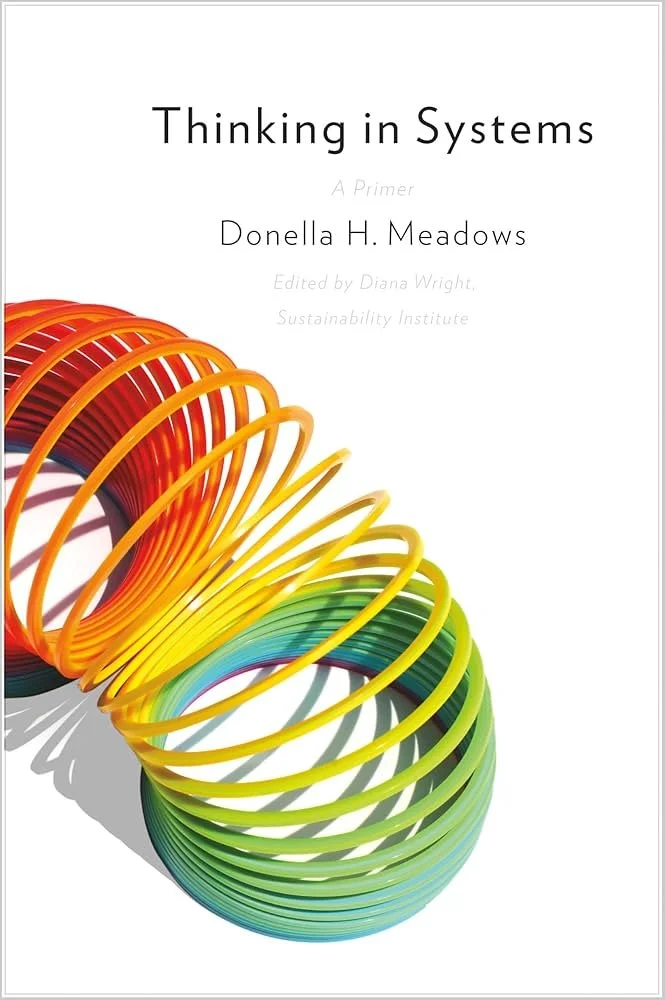
Meadows DH. Thinking in Systems: A Primer. White River Junction, VT: Chelsea Green Publishing; 2008. Available from: https://www.chelseagreen.com/product/thinking-in-systems/
Dekker S. The Field Guide to Understanding ‘Human Error’. 3rd ed. Boca Raton, FL: CRC Press; 2014. Available from: https://www.routledge.com/The-Field-Guide-to-Understanding-Human-Error/Dekker/p/book/9781472439055