
Week 15: The Hidden Cost of Constant Urgency
持續性緊急感的隱藏成本
Time: 5 minute video
Category: Execution 執行力
Some teams live in constant urgency. Everything is now. Everything is ASAP. Everything feels important. It creates motion, but not always progress. When leaders create too much urgency, people switch tasks too often, lose focus, and spend more energy reacting than thinking. In healthcare, interruptions and distractions are associated with higher cognitive load and more errors, and alert fatigue is a recognized patient safety hazard.
有些團隊一直活在「很急」的節奏裡。每件事都現在、都 ASAP、都看起來很重要。這種狀態會帶來很多動作,但不一定帶來真正進展。當主管製造太多緊急感,大家會一直切換任務、一直被打斷,花在反應的力氣比花在思考的力氣還多。在醫療場域,打斷與分心會增加認知負荷,也和更多錯誤有關;而警示疲乏更是公認的病人安全風險。
English Version
中文版 (AI)
Summary of Video
Why does this matter for leaders at KFSYSCC?
Constant urgency creates hidden waste. It fragments attention, increases stress, and makes it harder for teams to tell what is truly critical. Attention residue research suggests that when people switch tasks, part of their attention remains on the previous task, which weakens performance on the next one. In healthcare, repeated interruptions and decision fatigue can also create safety risk.
When would you use this?
Use Three Clocks when:
everything in the day starts to feel urgent
the team gets frequent interruptions
people reply fast, but quality drops
leaders send many “ASAP” messages
staff seem busy all day but still fall behind
What are the key phrases from this video?
Constant urgency has a cost
Motion ≠ progress
Too many urgent signals = weaker response
Now | Today | This Week
Set the tempo
Protect the work
How would you describe this tool in 30 seconds?
Three Clocks is a simple urgency filter. Before you send a request, decide whether it is Now, Today, or This Week. Then write the message to match the clock. This reduces unnecessary interruption and helps the team know what really deserves immediate attention.
影片摘要
為什麼這對和信醫院的領導者很重要?
持續性的緊急感會產生隱藏的浪費。它會切碎注意力、增加壓力,也讓團隊更難分辨什麼才是真的關鍵。注意力殘留的研究指出,人在切換任務時,一部分注意力會留在上一件事上,因此會削弱下一件事的表現。在醫療場域,反覆被打斷和決策疲乏也都可能增加安全風險。
什麼時候會用到這個工具?
以下情況很適合用 Three Clocks:
一整天看起來每件事都很急
團隊一直被新事情打斷
回覆速度很快,但品質開始下降
主管常常發很多 ASAP 訊息
同仁整天都很忙,卻還是一直落後
這支影片的關鍵句是什麼?
持續性緊急感有代價
有動作 ≠ 有進展
急訊號太多,反應反而變弱
現在不處理|今天要完成|本週處理
先定節奏
保護工作品質
用 30 秒怎麼描述這個工具?
Three Clocks 是一個很簡單的急迫篩選工具。送出請求前,先決定它是 Now、Today、還是 This Week。然後再把訊息寫成符合那個時鐘的版本。這樣可以減少不必要的打斷,也讓團隊更容易分辨什麼真的需要立刻處理。
Scripts for Leaders
Keep these short. The goal is not to sound impressive. The goal is to make work easier, calmer, and clearer.

-
This is Now. It affects the 10 AM appointment. Please stop and call me as soon as you see the blocker.
-
This is Today. It is needed by 4 PM. No need to interrupt current work. Please send it when your current task is complete.
-
This is This Week. It matters, but not today. Let’s put it on Thursday’s review list.
-
We are treating too many things as urgent. Let’s reset. Tell me which item is truly Now, which is Today, and which can wait until This Week.
-
Do not interrupt the team unless the issue is Now. If it is Today or This Week, send it to me and I will route it.
-
Let me reset that message. This is important, but not immediate. Please complete it by end of day. No need to stop current priority work.
-
If this cannot be done by 3 PM, tell me what support is needed. I want clarity before I ask for more speed.
-
For this week, our pace is: one urgent issue at a time, no unnecessary interruption, and a clear daily cut-off for new requests.
-
calling everything urgent
using urgency to avoid prioritizing
praising speed but ignoring quality
interrupting focused work without checking the real clock
給主管的對話腳本
這些句子請盡量簡短。目標不是「講得很厲害」,而是讓工作更順、更穩、更清楚。
-
這件事是 Now。它會影響早上 10 點的安排。你一看到卡點,請先停下手邊的事,立刻打給我。
-
這件事是 Today。最晚今天下午 4 點前需要。現在不用打斷手邊工作,等你把目前這件事完成後再處理。
-
這件事是 This Week。它很重要,但不是今天一定要做。先排進週四的檢視清單。
-
我們現在把太多事情都當成很急。先重新排一下。請告訴我,哪一件是真正的 Now,哪一件是 Today,哪一件可以放到 This Week。
-
除非事情是 Now,否則不要直接打斷團隊。如果只是 Today 或 This Week,先送給我,我來分流。
-
我把剛剛那則訊息重講一次。這件事很重要,但不是現在立刻。請你今天結束前完成,不需要中斷目前的優先工作。
-
如果這件事下午 3 點前做不到,請直接告訴我需要什麼支援。我希望先把情況講清楚,再要求更快。
-
這週我們的節奏是:一次只處理一個真正緊急的問題,不做不必要的打斷,新增需求每天有清楚的截止時間。
-
把每件事都叫成很急
用緊急感代替真正的排序
只誇速度,不看品質
沒先看時鐘,就打斷別人的專注工作

Supporting Research
-
Interruptions and distractions in healthcare are associated with increased cognitive load and more errors. Research on attention residue shows that task switching leaves part of attention behind, which weakens performance on the next task. Alert fatigue shows that when urgent signals become too frequent, people become less responsive even to important ones. Decision fatigue research in hospital settings also suggests that repeated decisions under pressure may impair judgment.
-
Not every interruption is bad. Some issues really are urgent and must stop work immediately. The goal is not to remove urgency. The goal is to use urgency carefully, so the signal still means something. The three clocks are a practical sorting tool, not a guarantee that every team will always agree.
-
At KFSYSCC, we want leaders to protect attention as carefully as they protect time. Three Clocks helps us set tempo more clearly: what must happen now, what can happen today, and what should be scheduled this week. This reduces unnecessary interruption and makes urgent messages more trustworthy.
支持性研究
-
在醫療場域,打斷與分心會增加認知負荷,也和更多錯誤有關。注意力殘留研究指出,任務切換會讓一部分注意力留在前一件事上,因而削弱下一件事的表現。警示疲乏則提醒我們:當緊急訊號太多時,人反而會對真正重要的訊號變得比較不敏感。醫院裡的決策疲乏研究也指出,反覆在壓力下做決定,可能會影響判斷品質。
-
不是每一次打斷都不好。有些事情真的很急,必須立刻停下來處理。重點不是把緊急感全部拿掉,而是要小心使用,讓「急」這個訊號還有分量。三個時鐘是一個實用的排序工具,但不代表每一次大家都會完全一致。
-
在和信,我們希望主管不只保護時間,也保護注意力。Three Clocks 幫助我們把節奏講清楚:什麼現在一定要做、什麼今天完成就好、什麼本週安排即可。這樣可以減少不必要的打斷,也讓真正緊急的訊號更值得相信。
Bonus Clips
加碼影片
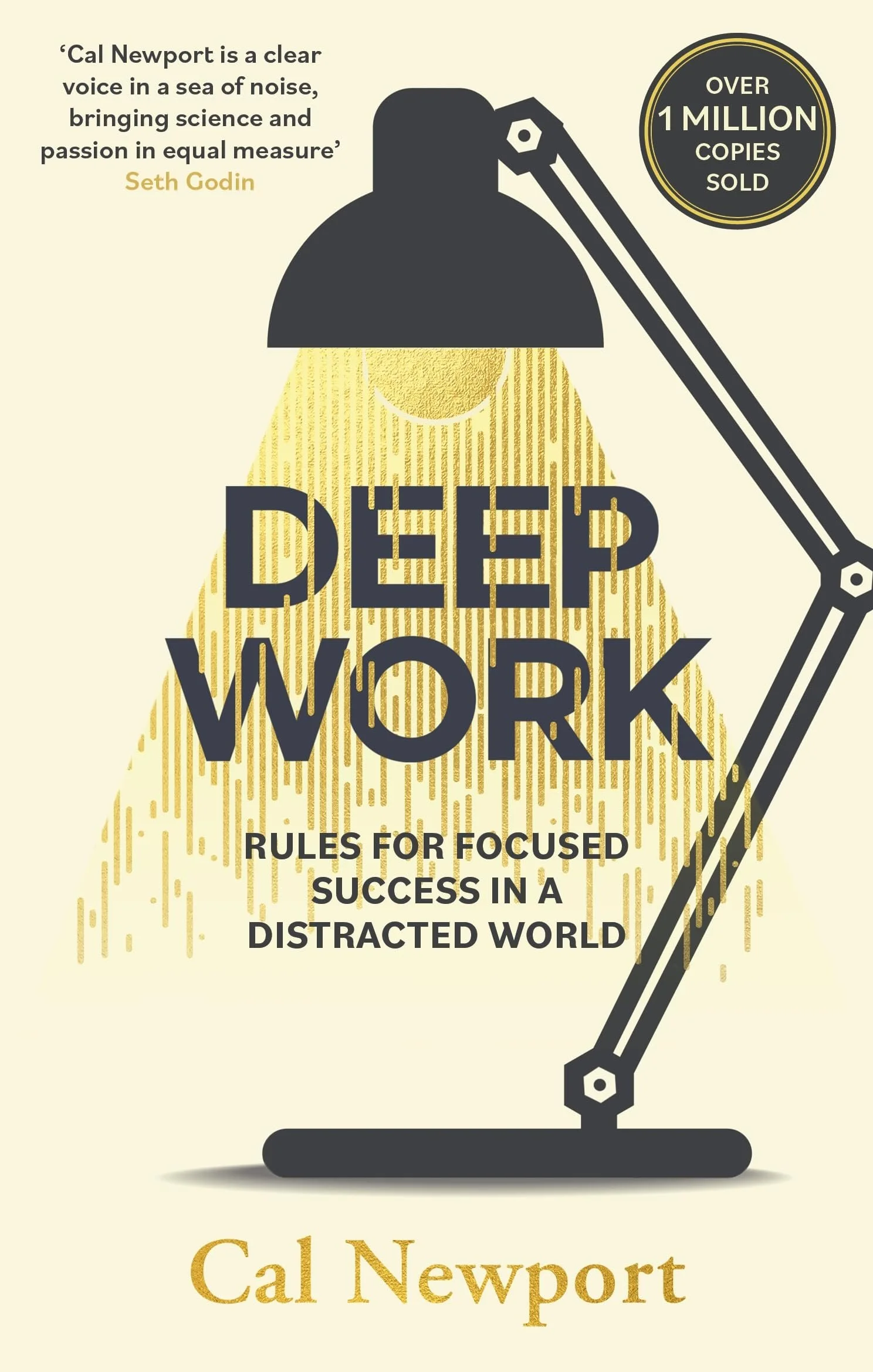
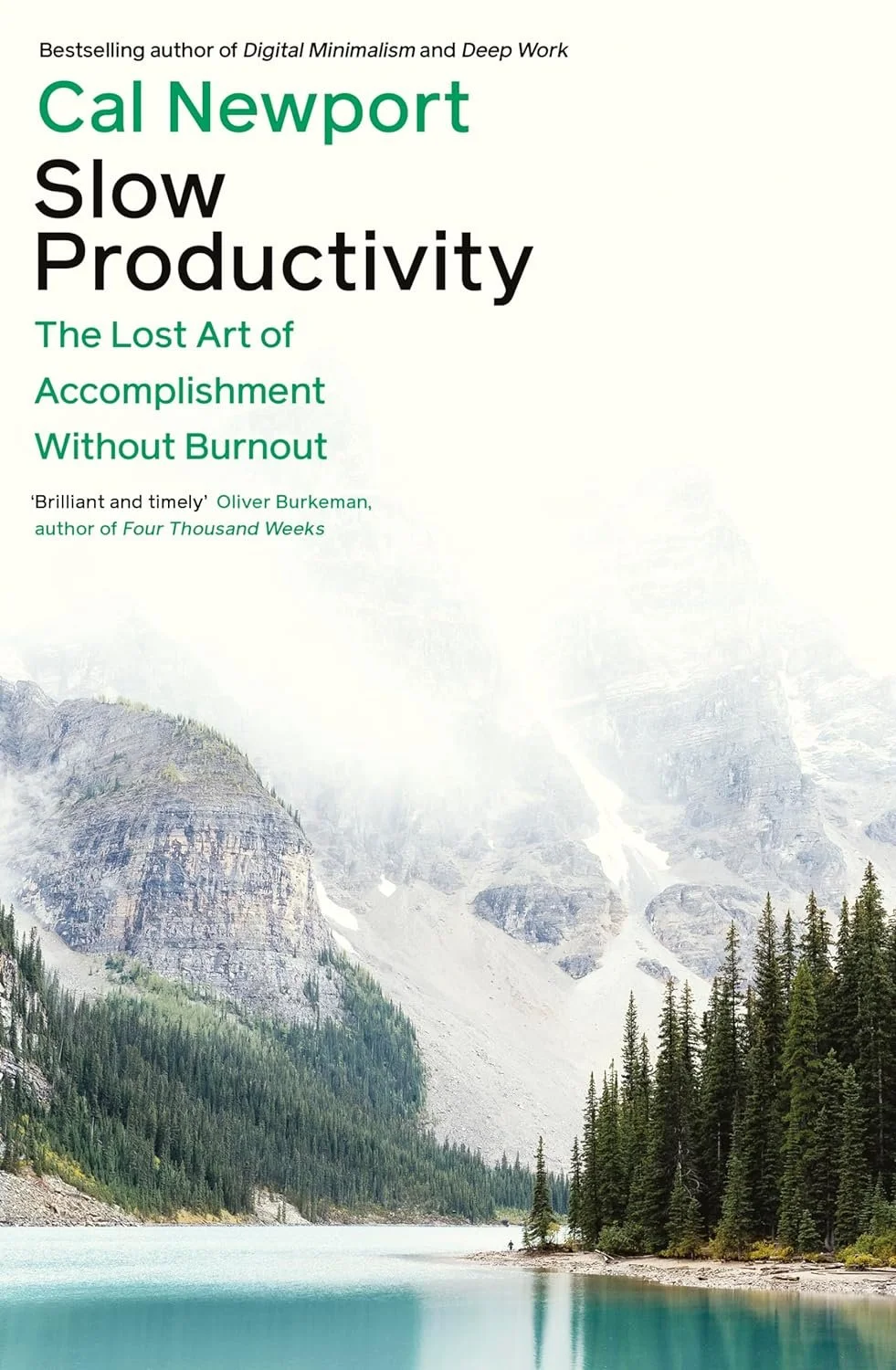
If you want a quick outside perspective, here are three videos that reinforce this week’s lesson:
如果你想快速聽聽外部觀點,以下三支影片會呼應本週課程的重點:

References
PSNet: Interruptions, distractions, and cognitive load in medication administration
https://psnet.ahrq.gov/issue/impact-interruptions-distractions-and-cognitive-load-procedure-failures-and-medicationSophie Leroy (2009): Attention residue and task switching
https://www.sciencedirect.com/science/article/abs/pii/S0749597809000399PSNet: Alert Fatigue primer
https://psnet.ahrq.gov/primer/alert-fatiguePSNet: Decision fatigue in hospital settings: a scoping review
https://psnet.ahrq.gov/issue/decision-fatigue-hospital-settings-scoping-review