Faster Recovery with Laparoscopic Surgery for Colorectal Cancer at KFSYSCC
by Dr. Yi-Ping Huang
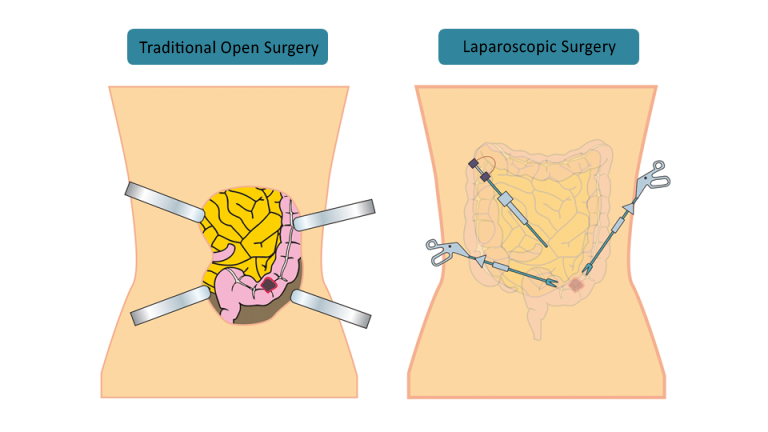
Differences Between Laparoscopic and Traditional Open Surgery
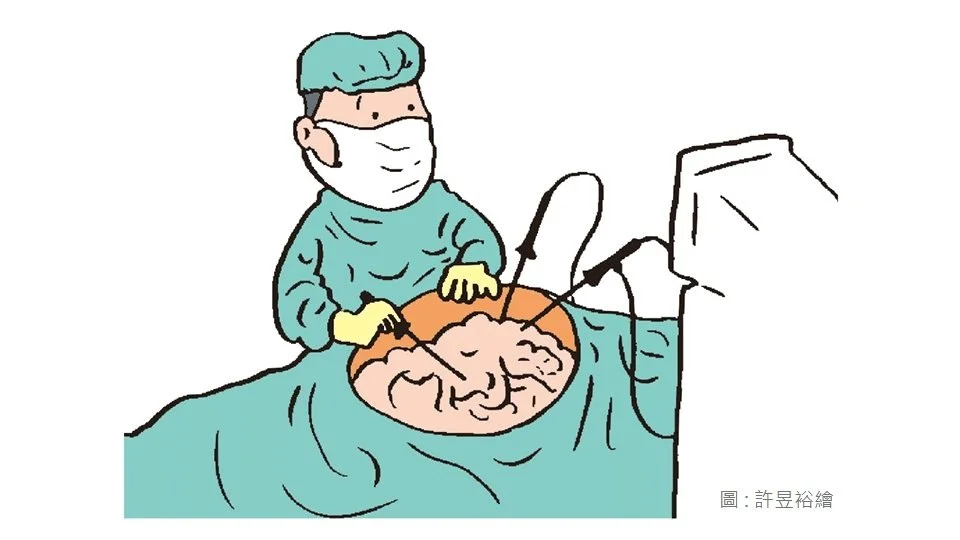
Patients diagnosed with colorectal cancer often worry about the need for a large abdominal incision, high surgical risks, postoperative pain, and a long recovery period. Koo Foundation Sun Yat-Sen Cancer Center has been performing laparoscopic surgery for colorectal cancer for over 15 years. The main advantage of minimally invasive surgery is the small incisions; typically, only three or four incisions of 0.5 to 1 cm are made. The surgery is performed using thin instruments inserted into the abdominal cavity to remove the tumor.
Although the scope of the laparoscopic surgery is the same as traditional surgery, removing both the tumor and nearby lymph nodes, the smaller incisions result in less postoperative pain and reduced need for painkillers. Our hospital statistics show that laparoscopic surgery allows patients to be discharged two days earlier than those undergoing traditional surgery. Additionally, with more laparoscopic surgery equipment now covered by health insurance, the overall cost has decreased significantly compared to previous years.
Higher Lung Function Requirements for Laparoscopic Surgery
Laparoscopic surgery requires sufficient space in the abdominal cavity for the operation. The surgeon inflates the abdomen with gas to create a working space, resulting in higher abdominal pressure during the procedure. This increased pressure demands better lung function. Therefore, patients who smoke or have chronic lung disease might not be suitable candidates for laparoscopic surgery due to inadequate cardiopulmonary function.
Which Patients Are Suitable for Laparoscopic Surgery?
Patients and their families often ask which treatment method is most suitable after detailed examinations such as CT scans or tumor markers. Generally, the decision is based on the size and location of the tumor and whether it has invaded other organs in the abdominal cavity. Typically, if the tumor is not too large (under 7-8 cm) and has not invaded other organs, laparoscopic surgery is an option. However, if the condition is severe, with tumors adhering to other organs or the abdominal wall, or if the tumor is too large, traditional open surgery may be the only option.
Experienced Surgeons Ensure Safe Operations
There are three main types of surgery for colorectal cancer: traditional open surgery, laparoscopic surgery, and Da Vinci robotic surgery. All three can effectively treat colorectal tumors. Current statistics do not indicate a clear preference for any one method. The choice often depends on the surgeon's expertise and experience with the specific technique. Patients are advised to seek surgeons specialized in the relevant surgical techniques to ensure safety and effectiveness.
Research on colorectal cancer surgery techniques still uses traditional open surgery as the benchmark due to its long history and established effectiveness. Any new technique must at least match the effectiveness of traditional methods to be considered a safe option. Therefore, if your doctor recommends open surgery, there is no need for disappointment or worry, as it remains a reliable treatment option.