Surgical Internship Reflections
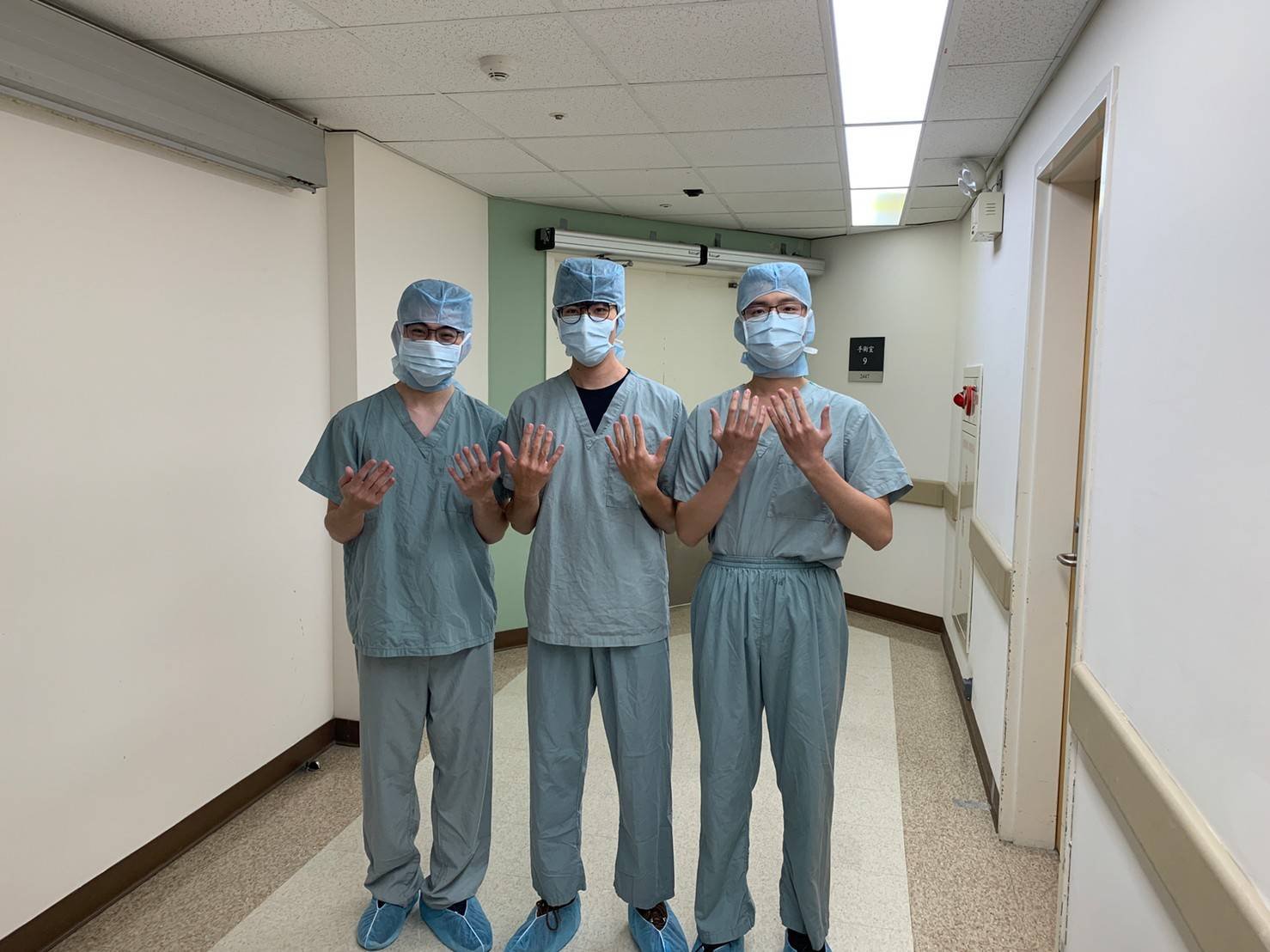
During my surgical internship at KFSYSCC, my education was comprehensive. It was not limited to just improving knowledge in patient care or surgical techniques, but also encompassed medical record writing, critical thinking, case reflection, and discussions on medical humanities.
Over three months, I rotated through the Plastic Surgery department under Dr. Chen Cheng Feng, Urology with Dr. Lin Yu-Hung, and Thoracic Surgery led by Dr. Chih-Hsun Shih. One distinction I noted was that surgical patients typically have shorter hospital stays compared to those in internal medicine. Care focuses on pre-operative evaluations, post-operative wound observations, and follow-ups. I believe my most significant improvement was determining the indications for a particular surgery when admitting a patient and considering alternative management approaches for them.
Being Trained to “Actively Assist”
This internship marked my first entry into an operating room. Thanks to the guidance and opportunities provided by Dr. Chen Cheng Feng, I was able to play the role of the main surgeon or the first assistant. Starting with mastering the basics of aseptic techniques, I was trained to "actively assist", which I came to realize is not as simple as it sounds. I felt elated when I actively held the short end of the suture thread for the senior surgeon and was thanked. Experiences such as placing catheters in the operating room and inserting IV lines in front of patients were invaluable. Not only did I acquire surgical skills, but I also fostered the right learning attitude and deepened my understanding of doctor-patient relationships.
Learning Critical Thinking
During the 12 weeks, there were nine Journal Club sessions, which took up a significant portion of my study time in surgery. In continuing my postgraduate learning, Dr. Chen used a problem-oriented approach to force us to raise objections to academic articles. Every time I faced a new article, I always felt "Ah, coming up with questions is hard." Usually, this was my impression after reading an article once, but a deeper dive would reveal issues, and my understanding would deepen. By the end, I could consider how a study might be improved, which was gratifying. I was pleased with my attitude in the Journal Club – consolidating previous learning, seeking clarity if I didn't understand, and gaining new insights into statistical concepts. Now, I can critically assess articles from the New England Journal of Medicine (NEJM), and I look forward to applying this critical lens to other readings.
Reporting at the M&M Meeting
One unique opportunity was to present at the Mortality & Morbidity Meeting. It's rare for clerks to have this chance. My mentor, Dr. Chen Ih Hsin, dedicated ample time to discussing cases with me. I am grateful for his engagement and for treating me as an equal. Even though the case I chose was challenging, as one doctor said, "Once you master presenting at M&M, you can turn any complex case into an insightful presentation."
Taking the Opportunity to Shadow Different Specialties
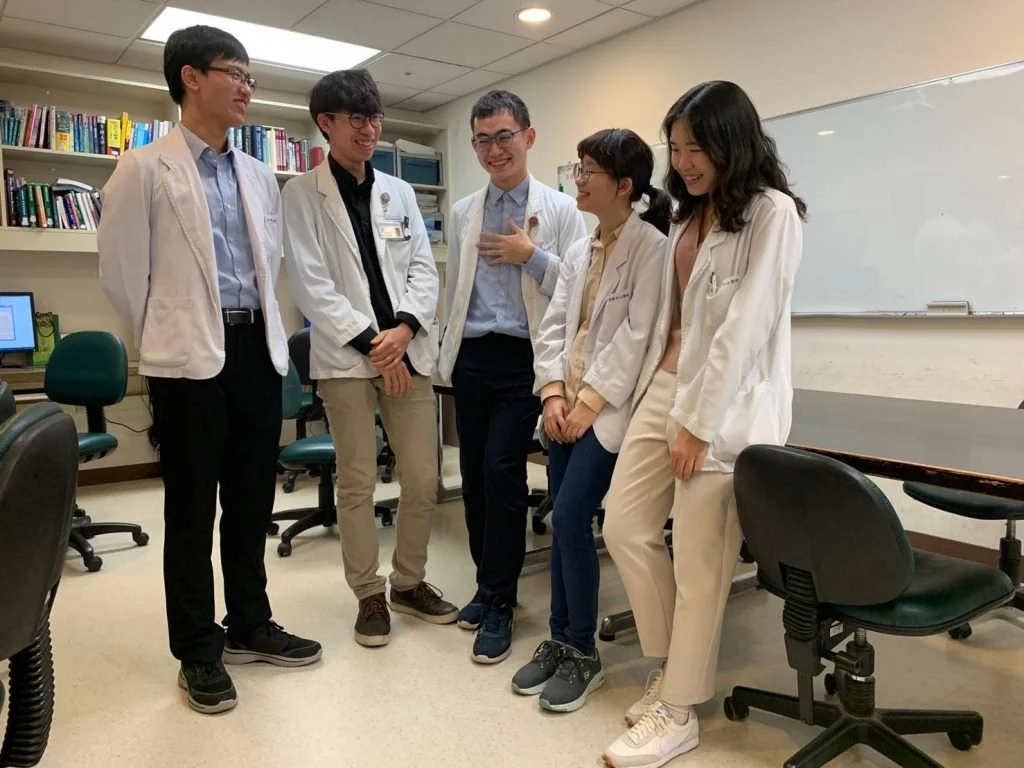
During my hospital rotation, I took the opportunity to shadow outpatient clinics in different specialties, including Breast Surgery with Dr. Yu Ben-Long, Neurosurgery with Dr. Tzu-Jung Hsu, Head and Neck Surgery with Dr. Lin Ching-Yuan, and Anesthesia Pre-assessment with Dr. Lai Wei-Ju. With a proactive learning spirit, I tried to maximize the benefits of each observation session, and I'm grateful to the kind doctors who allowed me to participate.
Not Helping the Doctor See Patients, But Seeing My Own Patients
Beyond just medical knowledge, I engaged in other facets of learning. For instance, in the medical humanities discussions, we debated topics such as whether it's lawful for medical students to care for patients, should doctors persuade patients who refuse treatment, and how doctors should handle patients complaining about previous physicians. I also recall experiences in the ward where I made patients uncomfortable and had to apologize and the feedback Professor Chen gave on my first week of admissions. I was often corrected on my learning attitude. One memorable feedback was from a senior physician who said: “Don’t think you’re helping the doctor see patients; you are seeing your own patients!” Embracing this mindset empowered me to confidently ask patients to undress for examinations, inspect breast wounds, or perform a rectal exam without fearing refusal or thinking it's a bother to the patient. I've documented these experiences in my daily learning journal, which I'm sure I'll look back on with fondness. I'm grateful for everyone and everything I encountered at KFSYSCC, helping shape me into a better medical student and future doctor.
Author: Chen Yu-Xin (Intern Medical Student, Yang Ming Jiao Tong University, 6th year of Medical School)