
Why Taking Time for Accurate Cancer Diagnosis Beats Rushing into Surgery
Originally written by Dr. Cheng Feng Chen (Plastic Surgery)
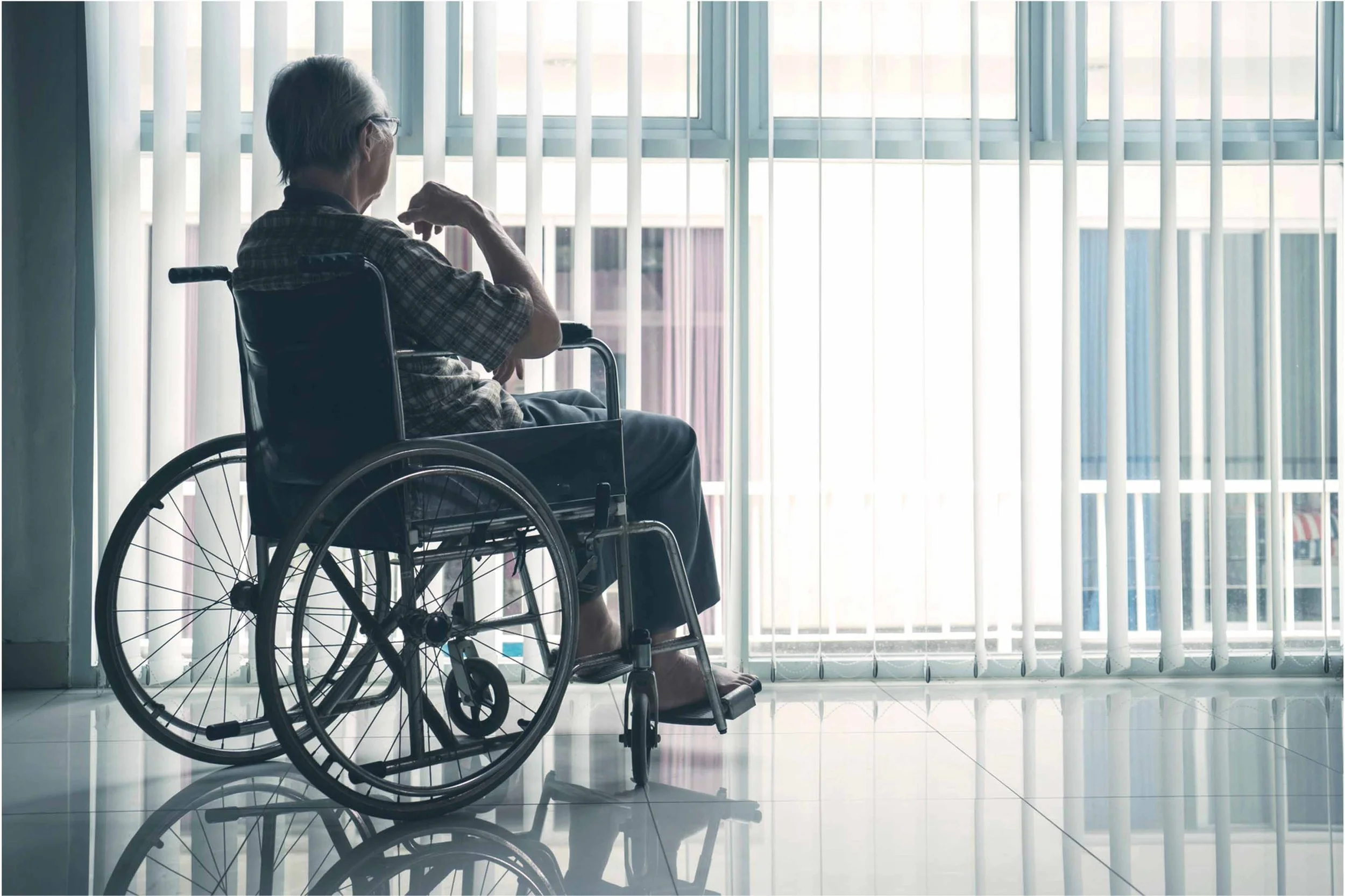
At 70 years old, Mr. Chang wore a blend of gray and black hair like a silver crown, and his attire was unassuming. When he walked into the outpatient clinic for the first time, a cloud of anxiety hung over him—something often seen in patients who have just been told they have cancer and are now seeking a second opinion. But what set him apart was the presence of his adopted daughter, who stood by his side as they entered the clinic.
Was It Really a Gout Stone Growing in his Lower Leg?
Mr. Chang's demeanor begged the question: Was he always this brief in conversation, or did he simply not want to steal too much of the doctor's time? As soon as he settled into his chair, before I could even open my mouth to ask, "What seems to be the problem?", he launched into his story. He told me he had a tumor extracted from his right calf at another facility a fortnight ago. Upon a follow-up visit for stitch removal, he got the ominous news: it was cancer. He wanted nothing to do with that hospital anymore and was hoping I could offer a more definitive surgical solution.
I urged, "Could you please roll up your pant leg so I can take a look? How long have you had this issue?"
"Two years," he said, as he hoisted up his pant leg.
"And did you seek any medical advice during this time?"
He began to recount, "Five years ago, a painful lump appeared on my toe. Hospital A said it was a gout stone and prescribed medication. Two years ago, another growth appeared, this time on my lower leg. Diagnosed again as a gout stone, I was put on uric acid lowering medication by Hospital B..."
I cut him off, astonished by the sight of his calf. "Wait, Hospital A diagnosed you with what, exactly?" "Gout stone. Both did," he asserted.
My skepticism surged. I was staring at a 12 cm vertical scar splayed across the inner side of his calf, nowhere near his foot or ankle. The base of the scar was a good 7-8 cm distant from the ankle, and featured a necrotic wound that measured roughly 4 x 0.5 cm. It was a peculiar place for what was supposedly a gout stone.
A Five-Year Odyssey Across Three Hospitals Ends in a Cancer Diagnosis
Intrigued, I probed, "So where did you have the surgery performed?"
His response carried a tone of weariness. "It wasn't at Hospital B. After five months on medication, four more lumps popped up around the original one. So, I went to Hospital C and relayed my previous diagnoses. Alarmed by the tumor's rapid growth, they didn't waste any time. They admitted me and took it out the very next day. Fast forward to a week later, and my wound isn't healing right. Now, they're reluctant to take the stitches out and are suggesting another operation because—guess what—they found it's cancer."
My stomach churned at the casual missteps taken by fellow medical professionals. It was also hard for me to fathom how two separate hospitals could both misdiagnose him.
"Do you have the pathology report with you?"
"Yes, your admin folks told me to bring along pathology reports and X-rays when I registered. And trust me, it wasn't a joyride trotting between Hospitals B and C to gather all this."
Acknowledging the extra mile he'd gone, I expressed my gratitude for him lugging in the essential records. "Thank you for making the effort. These documents are crucial for devising the best course of action for your treatment."
A Twist in the Tale: It's Soft Tissue Sarcoma
As I flipped through the pages of Mr. Chang's pathology report, I uncovered a diagnosis of soft tissue sarcoma—a rare cancer that lands squarely in my wheelhouse. While most physicians might never cross paths with a single case during their careers, I routinely manage this tricky malignancy. The fact that it has over 100 subtypes makes it a minefield for general practitioners, and I often find myself consoling patients who've previously been misdiagnosed with benign tumors.
According to the report, Mr. Chang's sizable tumor—measuring 8.5x7x4 cm—had invaded the dermis but had been surgically excised with clean margins. I offered him some assurance: "Given the clean excision, we've largely reduced the imminent risks." Although the tumor was highly aggressive and might require follow-up radiation, the good news was that further surgery wouldn't be needed. My immediate focus was on facilitating wound healing to pave the way for timely radiation treatment.
Yet, a whisper of unease nagged at me. There were inconsistencies in the pathology report that piqued my interest in the pre-operative images of the tumor. I urged Mr. Chang to secure the earlier scans and also called for the original pathology slides for a more scrupulous second look. Mr. Chang, however, was more intent on diving into the next course of action.
Double-Checking for Certainty: Patients Deserve a Second Look
KFSYSCC operates on a cardinal rule for patient safety: Before diving into cancer treatment, the pathology must be indisputably confirmed. This isn't simply a matter of glancing over another hospital's pathology reports. We go the extra mile by borrowing the original pathology slides of the removed tumor for an in-depth reassessment. Only when our in-house pathologists nod in agreement with the diagnosis do we roll out the treatment plan.
And yes, there have been eyebrow-raising moments when our findings diverged from those of other hospitals, triggering a reshuffle in treatment strategies. Whenever such inconsistencies pop up, it's protocol to tip off the original diagnosing hospital. In response, some patients have marched back to these hospitals with complaints, which, historically, made certain institutions skittish about lending their pathology slides to us. But we fought the good fight, and now, thanks to the Taiwan Pathology Association's support, patients have gained an unassailable right: "Patients have the right to request a re-examination of their pathology samples by another hospital." A safeguard woven exclusively for the welfare of the patient.
Patient Care Requires Thorough Steps, Not Hasty Decisions
I explained to Mr. Chang, "We can schedule your surgery immediately, but we must first gather all the essential information about your condition. Operating without complete data isn't in your best interest. You sought out KFSYSCC for quality care, and we intend to deliver just that. While we can accelerate each step for your convenience, skipping any of them isn't an option. If we miss something, you are the one who will suffer." Mr. Chang seemed to agree with this reasoned approach.
Before we could proceed with the surgery, several prerequisites had to be met:
Pathology Confirmation: It's crucial that we confirm the cancer diagnosis by re-examining the pathology slides.
Full Tumor Removal: I recommended an MRI scan to ensure that the entire tumor had been excised, referencing previous cases where residual tumors were discovered post-surgery.
Check for Spread: Tumors of this type often spread to the lungs. Therefore, at minimum, a CT scan of the lungs is necessary to check for any spread.
Overall Health Assessment: At KFSYSCC, new patients are required to undergo a complete health check. This includes a review of all body systems and ensures that the patient is fit for surgery.
Streamlining the Diagnostic Journey for New Cancer Patients
After Mr. Chang's consultation, I swiftly partnered with our outpatient nursing staff to orchestrate the necessary battery of tests. "We're going to fast-track this," I assured him, knowing full well that navigating the labyrinth of healthcare can be nerve-wracking for newly diagnosed cancer patients. At KFSYSCC, we empathize with this urgency. That's why we shuffle the deck, so to speak, prioritizing new cases above routine follow-up appointments. Consequently, Mr. Chang can expect his tests to be wrapped up within just a few days.
Moreover, I've penciled Mr. Chang into our next multidisciplinary team meeting specifically dedicated to discussing cases like soft tissue sarcomas and skin cancers. This means that by the time he walks back through our doors, we'll already have a vetted, preliminary game plan to review with him.
A Symphony of Medical Minds for Patient Care
At KFSYSCC, we take a more ensemble approach to medical decision-making, offering patients the benefit of collective wisdom. When Mr. Chang walked into my clinic, he wasn't just under my watchful eye; a whole panel of skilled doctors had a stake in his health journey. Picture it as a brain trust—each physician lends their unique expertise when I present the nuances of each case. "The verdict isn't just a solo act by me; it's a harmonized decision," I explain to patients like Mr. Chang. The ensemble of opinions leads to a unified course of action, which is then relayed to the patient. In this way, each treatment plan becomes more of a collaborative masterpiece than a solo endeavor.
A Dramatic Twist: The Tumor Has Invaded the Bone
During our team's meticulous review, the MRI scans flipped the script on Mr. Chang's case. Instead of a cleanly excised tumor, the images revealed a hulking mass—measuring a staggering 7x5x3 cm—ensconced in his calf muscle and extending its tendrils to the shinbone. "The tumor has already invaded the bone," I found myself saying, astounded at the contradiction to earlier reports. This new revelation posed a serious dilemma: Should we go for a complete tumor excision, running the risk of compromising the bone? Alternatively, we could opt for a more conservative removal to spare the bone but at the cost of a higher chance of recurrence and mandatory radiation treatment.
This discrepancy raised questions about the prior care Mr. Chang had received. How could the previous doctor overlook such an imposing tumor? Could the pathology report's claim of a 'complete removal' have been erroneous, or did the tumor stage a two-week comeback? With the pathology slides from Hospital C still pending, skepticism hung in the air. Our team remained on high alert, questioning whether the tumor had indeed been fully eradicated as initially reported.
The Unwelcome Revelation: A Looming Shadow on the Lung Scan
The moment I glimpsed Mr. Chang's lung CT scan, I sensed a collective gravity settle over the medical team. Nestled in his right lung was a tumor measuring 3 cm across, and sprinkled across the same lung and pleura were smaller nodules less than a centimeter in size. "A tumor was spotted in the lung CT scan," I had to admit, faced with a pivotal diagnostic crossroad. Were we dealing with metastasis from the leg sarcoma or was this a primary lung tumor? Each possibility had its own sobering ramifications. While some sarcoma metastases could potentially be surgically removed, offering a glimmer of hope, tumors in the pleura render surgery less effective, with limited pharmacological options available. Lung cancer, although no walk in the park, at least presents a wider range of medical treatments that can stabilize patients for years. Suddenly, the urgent question became not whether we could eradicate the leg tumor, but how to navigate the new, much darker terrain that was unfolding before us.
When Mr. Chang arrived for his scheduled outpatient appointment, he was alone—raising concern for how he'd process this avalanche of grim news without family support. "Illness in our culture is a family affair; it dilutes stress when shared among loved ones," I advised, hoping he would bring family to the next visit. But Mr. Chang looked troubled, revealing his goddaughter's work commitments prevented her from accompanying him. That got me wondering: Where was his wife in all of this?
Circling back to our initial discussion, I brought up the contrasting MRI reports. "Two years ago, the tumor was confined to just beneath the skin. But now, there's still a tumor lurking within your calf muscle," I clarified. At this point, he was quick to ask about surgical options. But I steered the conversation back to the more pressing issue: "The lung is the real concern here, not the calf." I showed him the lung CT scans, detailing the locations of the various tumors. After laying out the distinctions between metastatic and primary tumors, I broached the subject of a lung biopsy, only to be met with his hesitation.
Correct Diagnosis is the Key to Effective Treatment
I drove home the point that an accurate diagnosis is the cornerstone of effective treatment. "Had we made the hasty assumption that your leg tumor was completely removed and focused solely on wound care, wouldn't we have overlooked the residual tumor in your muscle?" I posed the question to underline how a misguided approach not only fails to resolve the issue but also squanders precious time. The same applied to his lung condition. "If we had stopped at just scanning your leg and left your lungs unexamined, we might have suggested an aggressive course for your leg, sidelining the more urgent issue." What we needed to tackle first had shifted—it was no longer just about the leg, but more crucially about his lungs, each with its own set of therapeutic avenues. A misstep here could be more than just ineffective—it could be downright disastrous.
Understanding the gravity of his predicament, Mr. Chang consented to undergo the lung biopsy. It was an emotionally taxing day for him, shifting from the hope of curing his leg cancer to confronting the harsh possibility of multiple incurable conditions. "But even if it turns out to be lung cancer," I offered a slender reed of hope, "there are targeted treatments that can keep it under control for a considerable time." Amidst this whirlwind of medical facts and figures, I couldn't help but wonder how much Mr. Chang was really absorbing.
And yet, he appeared remarkably calm—a demeanor that puzzled me. Worried that male patients often keep their emotions under wraps, I encouraged him once again to bring a family member for emotional support on his next visit. He looked forward to quick results from our side, and I gave him my assurance: "I will notify you as soon as we get the biopsy results."
Facing Both Malignant Sarcoma and Lung Cancer
The lung biopsy for Mr. Chang was expedited, thanks to my colleagues' cooperation. When the pathology results returned at breakneck speed, it was confirmed—Mr. Chang was grappling with a double jeopardy: malignant sarcoma in his calf and lung cancer. "When wrestling with two simultaneous cancers, especially when one may be incurable, the last thing we want to do is subject Mr. Chang to unnecessary suffering for the sarcoma," I thought, waiting for the final verdict from a thoracic surgeon.
In a bid to streamline Mr. Chang's care journey, I had our clinic nurse ring him up to come in earlier, coinciding with our thoracic outpatient services. Mrs. Chang answered and swiftly handed over the phone to her husband. "Bring a family member," we insisted. Mr. Chang arrived, flanked by his goddaughter, to hear the sobering news. His lung cancer was deemed inoperable, leaving targeted therapy as the only recourse. As for his calf's malignant sarcoma, we decided on a conservative surgery, aiming only to remove the tumor along the periosteum. "Given your lung condition, it's crucial to control the leg tumor," I explained. "It prevents potential complications like bursting, bleeding, or infection."
Mr. Chang underwent a successful surgery on his calf and was discharged the next day, his goddaughter by his side—but not for the entirety of his stay. It emerged that Mr. Chang’s relationship with his wife was far from rosy. His goddaughter, living nearby and emotionally indebted to him, took up the caregiving mantle.
A week later, Mr. Chang was already in consultations with Radiology Oncology and Internal Oncology departments, sketching out a roadmap for his targeted therapies. Every quarter, he returned to my clinic for follow-ups on his calf. For the first year, we managed to keep the cancers at bay. Then came the challenges: pleural effusion and a newly sprouted tumor on his calf. Both were tackled timely, but his condition worsened, leading to multiple hospitalizations.
Fast-forward to a couple of years after his initial diagnosis: I tried to call him and hit a dead-end—his number had been disconnected. A dark cloud of premonition swept over me. My fears were confirmed when I spoke with his goddaughter: Mr. Chang had passed away. Despite the rollercoaster journey, he had been mobile until the end, thanks to the tumor in his calf not resurfacing. Roughly two and a half years from the start of his treatment at KFSYSCC, he surrendered to his lung cancer.