
Choosing the Right Surgery for Colorectal Cancer: Minimally Invasive vs. Traditional Open Surgery
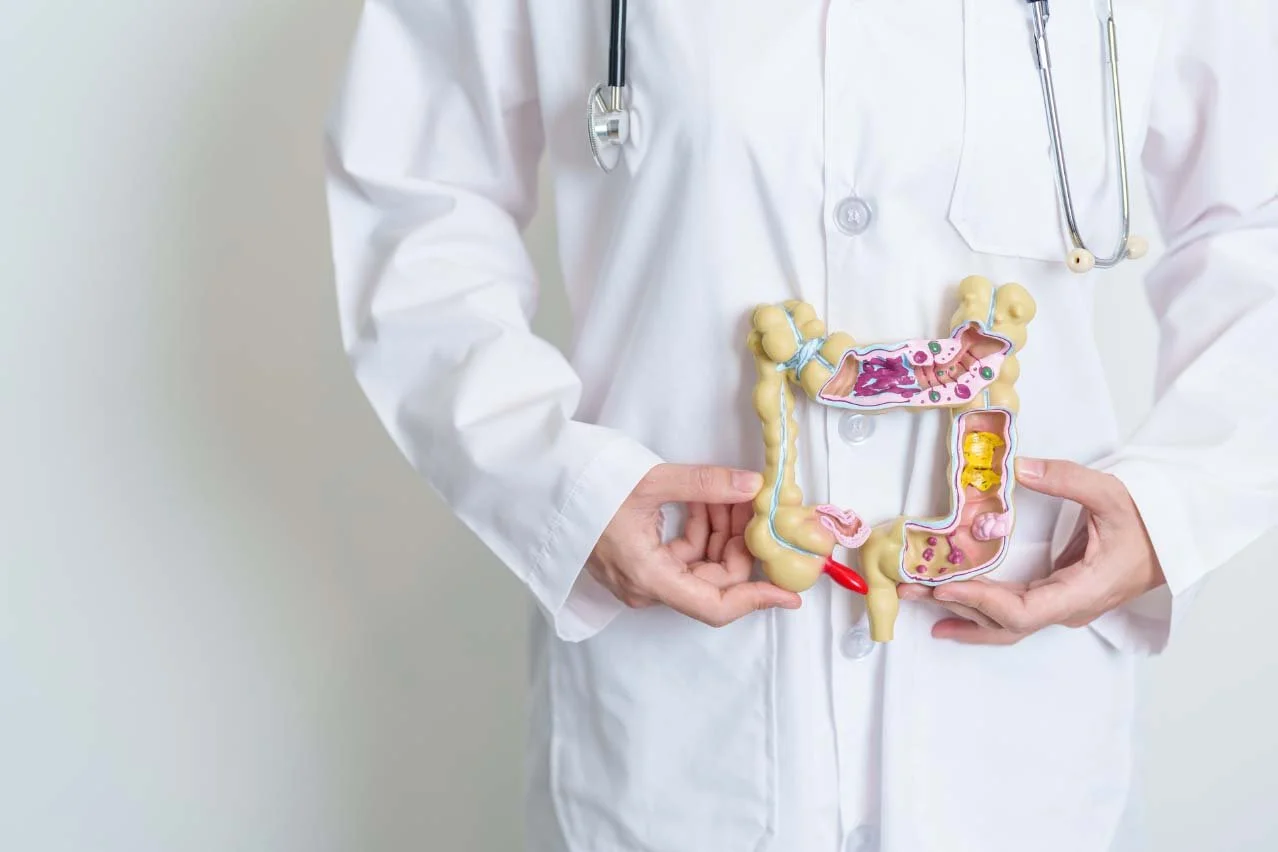
Surgery is a key method for treating colorectal cancer, involving not only tumor removal but also the excision of affected intestines, blood vessels, lymph nodes, and soft tissues to address lymph node metastasis. The extent of surgery varies depending on the tumor's location. For example, a right colon tumor requires a right hemicolectomy, while a rectal tumor involves a low anterior resection. Other common surgeries include left hemicolectomy, sigmoidectomy, abdominoperineal resection, and transanal excision.
Extent of Colorectal Cancer Surgery
Patients often worry about the length of intestine to be removed. The removal length varies with each patient due to different anatomical and tumor metastasis routes. However, an experienced colorectal surgeon will tailor the surgery precisely to avoid excessive or insufficient removal. Since the colon does not absorb nutrients, removing it does not lead to nutritional deficiencies. Retaining unnecessary tissue could lead to recurrence or complications, making thorough removal crucial.
When Traditional Open Surgery is Necessary
Although minimally invasive surgery is becoming common, some patients are not suitable for it. These include patients with deeply invasive tumors, significant adhesions from previous abdominal surgeries, or those with high anesthesia risks who cannot tolerate pneumoperitoneum. In these cases, traditional open surgery is preferable.
Traditional open surgery involves a long abdominal incision, allowing the surgeon to manually and visually remove the tumor using instruments. Minimally invasive surgery, in contrast, uses laparoscopic tools inserted through small incisions. Both types of surgery have similar safety and risk profiles, but open surgery typically results in more postoperative pain and slower bowel movement recovery, leading to longer hospital stays.
Surgery Considerations: Safety and Complete Tumor Removal
If minimally invasive surgery cannot safely and completely remove the tumor, traditional open surgery is the better option. Regardless of the method, the surgery's principle is to determine the removal scope based on the tumor's location and metastasis. Therefore, both methods have similar removal scopes, safety, and complication rates. Patient safety and complete tumor removal are the primary considerations when choosing the surgical method.
Precautions for Traditional Open Surgery
Due to the longer incision in open surgery, patients may experience significant pain, leading to shallow breathing and cough suppression, which can affect diaphragm movement and cause lung collapse. This can complicate recovery if infections develop. Post-surgery, patients are encouraged to deep breathe, cough, and, if pain allows, move around early to stimulate bowel movement and expel gas and stool. For three months after surgery, patients should avoid strenuous abdominal activities or lifting heavy objects. Slow bowel recovery means eating small, frequent meals and avoiding gas-producing, irritating, or hard-to-digest foods like bamboo shoots, glutinous rice, and guava to prevent bowel obstruction.