
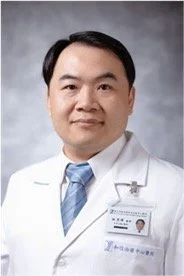
Author: Head & Neck and Nasopharyngeal Cancer Multidisciplinary Team, Dr. Shou Fong Lin
Dr. Shou Fong Lin, currently serves as the Deputy Director of Surgery and Chief Plastic Surgeon at the Koo Foundation Sun Yat-Sen Cancer Center. Additionally, he serves as the Chairman of the Committee on Quality of Medical Services and Patient Safety. He specializes in head and neck reconstruction surgery, breast reconstruction surgery, and microsurgical reconstruction. He started his career at Taipei Medical University Hospital in 1993 as a resident in surgery, became a chief resident in 1997, and has been serving at KFSYSCC since 1999. He participates in the center's head and neck and nasopharyngeal cancer multidisciplinary team.
Who Says You Can’t Speak After Removing the Larynx and Vocal Cords?
Communicating after a laryngectomy presents a unique challenge, akin to attempting to articulate a sentence through a long burp. In Taiwan, the most prevalent solution is the use of an external shunt. Patients carry an external shunt in their pocket, placing it over their tracheostomy when they wish to speak. One end of the shunt is placed in the mouth, enabling air to flow from the tracheostomy to the mouth, thus facilitating speech.
For those who find the above approach unsatisfactory or uncomfortable, an alternative method is to create an internal vocal conduit using the patient's own tissues. This conduit reroutes air from the tracheostomy back into the oral cavity, thereby reestablishing speech capabilities. However, this surgical procedure comes with the potential risk of food or liquids entering the trachea via the vocal conduit during swallowing, which can lead to coughing or aspiration pneumonia. Consequently, the design of the vocal conduit must include specific features to permit the passage of air while preventing food and liquids from refluxing into the trachea.
Materials for constructing the conduit could be a piece of rolled skin or a small portion of intestine. Since excising a part of the intestine for this purpose requires abdominal surgery, many plastic surgeons favor the use of a skin graft rolled into a conduit, as it is a more straightforward and familiar procedure. Over the past two decades, Hoshin Hospital has used arm skin, coupled with a special design suspending the rectus abdominis muscle, to successfully create vocal conduits and restore speech for numerous patients. During swallowing, the neck's rectus abdominis muscle contracts, sealing the vocal conduit and preventing the reflux into the tracheostomy.
Among these patients, Mr. Lin stands out as a highly successful businessman often engaged in conversations with clients and suppliers. After completing his treatment and regaining his speech, he took some time off before planning to reenter the business world. However, unexpectedly, his vocal conduit began developing minor areas of constriction, making speech progressively challenging.
We implemented a temporary stent to widen the conduit, removing it after a period, hoping that the constriction would naturally resolve. Each time we removed the stent, both the patient and I were elated at his vocal restoration. Unexpectedly, these periods of recovery were ephemeral, only lasting about two weeks before re-constriction. Thus, we resorted to the stent once more, leaving it in place for up to six months. Yet, the constriction rapidly recurred after each stent removal.
After several cycles, I began to lose confidence, and began contemplating recommending the patient to abandon the stent and switch to an external vocal conduit. However, this patient displayed incredible resilience. He said to me, "Doctor, don't give up on me. I haven't given up yet." This fortitude was deeply moving and inspired me to persist with the patient. We employed a skin graft again to replace the constricted section of the vocal conduit, and finally, the patient regained his speech completely. Each time this vivacious patient visits the clinic, my heart swells with gratitude, and our shared triumphant smiles bring mutual comfort.