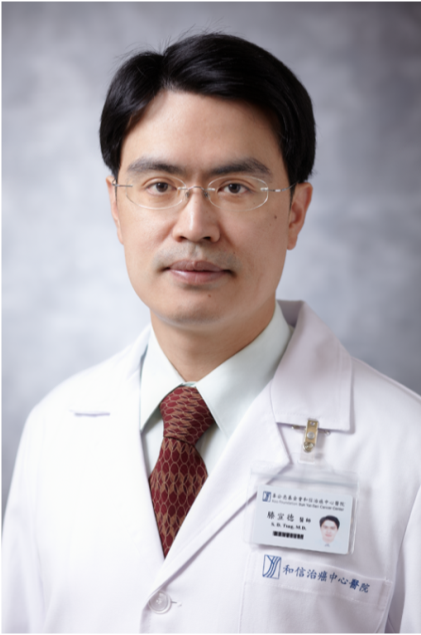
Author: Head & Neck and Nasopharyngeal Cancer Multidisciplinary Team, Dr. Shyuang-Der Terng
Dr. Shyuang-Der Terng, a senior attending physician in the Department of Otorhinolaryngology-Head and Neck Surgery at KFSYSCC, specializes in surgical treatment of head and neck tumors and general ear, nose and throat diseases. He received his medical degree from National Taiwan University. He served as a resident physician in the Department of Otolaryngology at National Taiwan University Hospital in 1998, Chief Resident in 2001, and has been serving in this hospital since 2002. He is part of our multi-disciplinary team for head, neck, and nasopharyngeal cancer and the multi-disciplinary team for endocrine tumors.
KFSYSCC Advocates Patient Care as Everyone’s Responsibility
One afternoon in the summer of 2020, during a routine clinic day, it was reported that the temperature had repeatedly broken records, with many consecutive days exceeding 38°C and even 39°C. Dressed in a white gown, I worked as patients and their families navigated the hospital, most of them wearing thin coats. Among them, a couple, Mr. and Mrs. Lin from Chiayi, entered my clinic. Mr. Lin sat in the examination chair, suppressing the oral mucositis caused by radiation therapy, allowing me to explore his oral cavity, which could only be opened to the width of a finger, in every possible direction.
This scene was all too familiar for Mr. and Mrs. Lin. Eleven years ago, they brought their biopsy report from a hospital in Chiayi to KFSYSCC, where we formed a lasting bond. Over the past eleven years, Mr. Lin has undergone 13 surgeries, from the tongue to the gums to the cheek mucosa, left and right, upper and lower jaw gums. Repeated oral surgeries have resulted in extensive scarring and fibrosis in his oral cavity, making it increasingly difficult for him to eat and chew. His love for seafood sashimi has become less and less enjoyable due to his condition.
I remember when the second occurrence of oral cancer appeared and was preparing for surgery, Mr. Lin asked me if it was a recurrence of the previous cancer, or if it had spread. I told him that betel nut and alcohol-induced oral cancer often appear in multiples. Although we completely removed it the first time, we cannot prevent the cancer from recurring. Before the third surgery was scheduled, a worried Mr. Lin and his anxious family requested our hospital's pathology report to seek a second opinion. They then returned to ask me if there were other patients like him. I could only reassure them that, indeed, there were. Certainly, this is not uncommon among patients with oral cancer caused by betel nut chewing or long-term smoking and drinking.
After that, there were several more oral mucosal cancers or precancerous lesions (leukoplakia, erythroplakia, dysplasia, etc.) that required Mr. Lin to undergo surgery repeatedly. I could promptly reassure him that there were many patients with similar conditions. However, after the tenth surgery, I too felt helpless, and could only tell him that a small proportion of patients had similar conditions. Undeniably, these patients represent a small minority. Mr. Lin, helpless but brave, continued to undergo surgeries and postoperative wound care, and followed medical advice for regular follow-ups. Until now, he still cooperates with us tirelessly, fighting oral cancer together.
Looking back on my own childhood, during annual family activities, visiting the southern and central parts of Taiwan, or visiting grandparents' homes, relatives, or going on family trips, I would always see beautiful mountains being gradually cultivated, bridges being built, and roads being paved. The hillsides were gradually filled with fruit trees and tea plantations, a picture that appeared everywhere in the low-altitude hilly areas of each city and county, along with Taiwan's economic takeoff. By the end of the last century, the development scene of Taiwan's hillsides was covered by betel nut gardens, in addition to fruit and tea gardens.
These betel nut trees were relatively easier to care for than fruit trees, and were mostly cultivated on slopes where soil and water conservation should have been practiced. Because they massively supplied the market demand for betel nuts and improved farmers' incomes, local governments tended not to interfere.
Looking back on the era of Taiwan, one of the "Four Asian Tigers," creating economic miracles in the last century, the hardworking image of Taiwan's laborers, farmers, and fishermen is deeply ingrained in people's minds. And the image that is linked to them is betel nuts. It wasn't until major disaster news repeatedly examined "mud slides" that blame was finally placed on the betel nut gardens on the slopes. At this point, the expanding betel nut gardens began to be somewhat regulated. By then, I was still a medical student, and oral cancer did not rank among the top ten cancers. Now, both in incidence and mortality, it is the fourth most common cancer in men and the leading cancer in young adult men!
Upon joining the medical team at KFSYSCC, I was immediately struck by the unique approach taken towards outpatient care, inpatient treatment, surgery, and post-operative care. The fundamental principles were familiar, but their application appeared vastly different, as though the same clinical tools and knowledge were being manipulated in a completely novel manner.
In terms of outpatient care, the volume of patients handled at KFSYSCC is notably less than in other medical centers. Even during busy periods, I've observed Dr. Yan Kai-Zheng consult no more than 30 patients from morning until noon, allowing for more comprehensive and meticulous patient examinations. Consequently, if there were over 40 patients registered, it would extend into the afternoon. Compared to other medical centers where the outpatient services see up to 60 or even over 100 patients per session, doctors at KFSYSCC can examine patients more meticulously.
The smaller patient load allows physicians here to initiate a dialogue that may uncover crucial clues to potential health issues, as well as perform comprehensive physical examinations, particularly of the ears, nose, throat, and neck regions.
The significance of these visual and tactile examinations cannot be overstated. They are crucial for early detection and preliminary staging of diseases such as oral cancer, which is often first noticed by the patient or their doctor. Visual and tactile examinations can almost determine the preliminary staging at this point.
While imaging tests play a key role before surgery, experienced physicians rarely see a significant alteration to their initial staging based on these results. The primary challenge in oral cancer lies in the fact that over 90% of patients have a history of carcinogen use, such as tobacco, alcohol, and betel nut. This lifestyle factor leads to long-term mucosal changes and subsequent precancerous lesions, such as leukoplakia, erythroplakia, and submucosal fibrosis, which may ultimately develop into cancer. Hence, direct visual and tactile examinations of the oral and pharyngeal areas far outweigh the diagnostic benefits of CT scans or MRIs in these cases.
However, there is a common misconception in Taiwan that the diagnostic 'tools' hold more value than the skilled clinicians wielding them, similar to trusting the kitchen utensils more than the chef. Thankfully, after several follow-ups, our patients and their families come to understand and align with our approach.
Turning to inpatient care and surgery, we at KFSYSCC prioritize efficiency. Our inpatient ward is specifically designed to cater to those who genuinely require care that cannot be provided in outpatient settings or at home. We focus extensively on health education, ensuring patients and their families are equipped with the necessary knowledge to maintain their health post-discharge.
Unlike other medical centers, our oral cancer patients have shorter hospital stays, but this does not compromise the efficacy of our treatment. In fact, our hospital has exemplary records concerning infection rates, antibiotic usage, and survival rates compared to other Taiwanese hospitals.
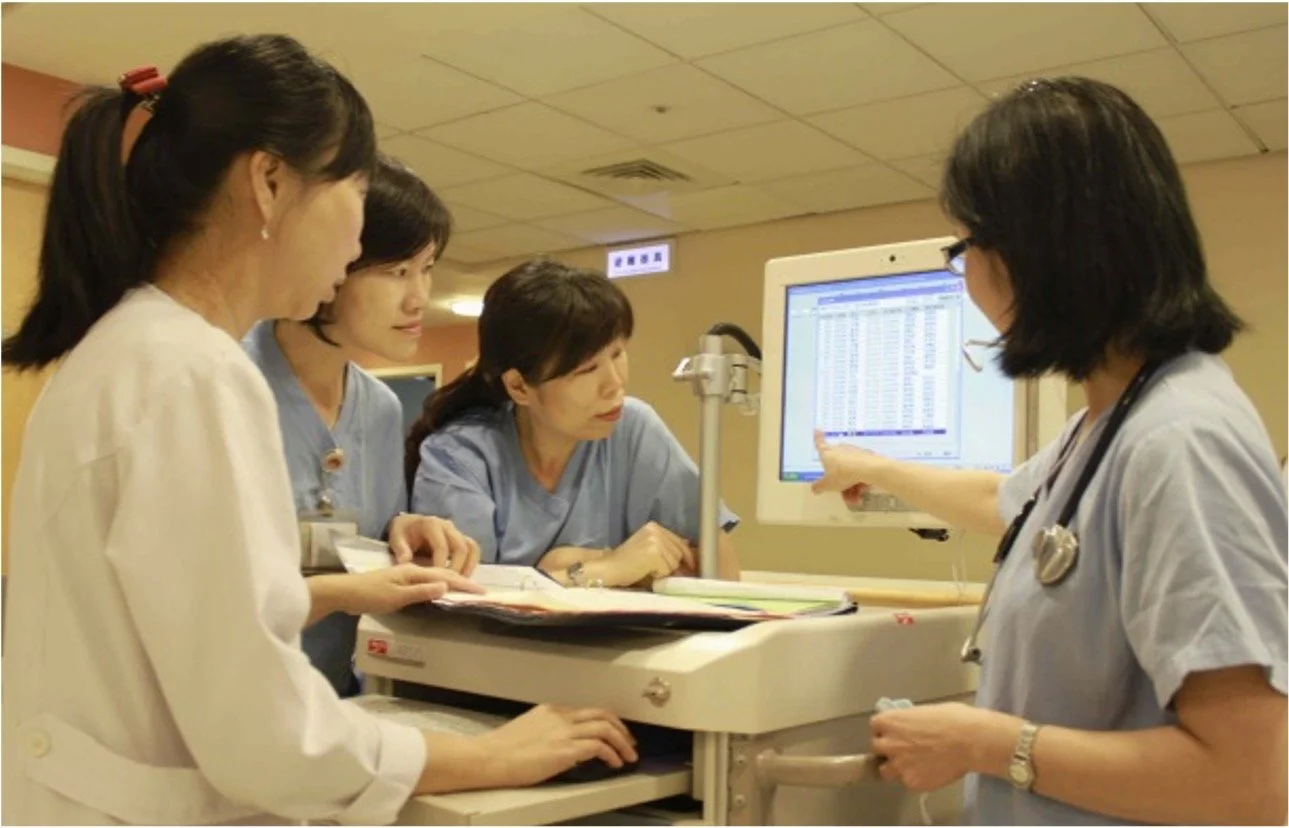
Our dedicated nursing team is instrumental in our ward's functioning. Despite the potential increase in labor costs, maintaining an optimal nurse-to-patient ratio allows us to better meet patient needs. Compare this to nurses in other hospitals who are often overwhelmed, and ask: who benefits from this approach? The answer, of course, is our patients.
Regarding surgery, patients and their families sometimes ask me, “Dr. Terng, will you personally perform the surgery that day?” I understand they are referring to teaching hospitals where surgeries are sometimes performed by less experienced doctors for learning purposes. I usually reply with two points: "Of course, I will personally conduct the surgery—I don’t have an assistant surgeon to 'subcontract' it to, so I will definitely be the one performing your operation." And, "In fact, we were all trained in teaching hospitals, so we should be thankful for their training.”
During gatherings with colleagues, I often humorously describe my role as a 'principal and bell-ringer', indicating that I am both the attending physician and the resident, overseeing the entire process from start to finish. This hands-on approach enables me to foster deeper connections with patients and their families, further facilitating long-term follow-ups and collaboration.
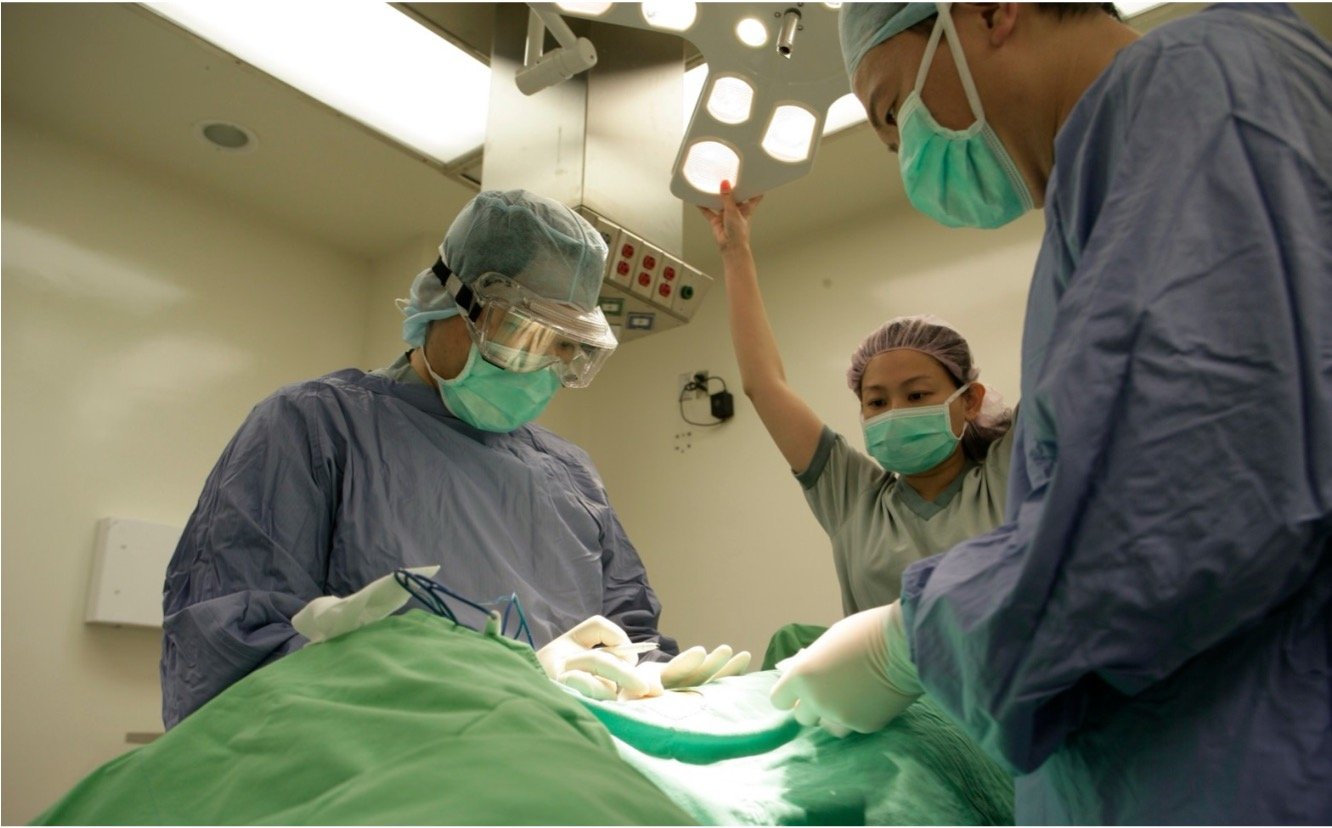
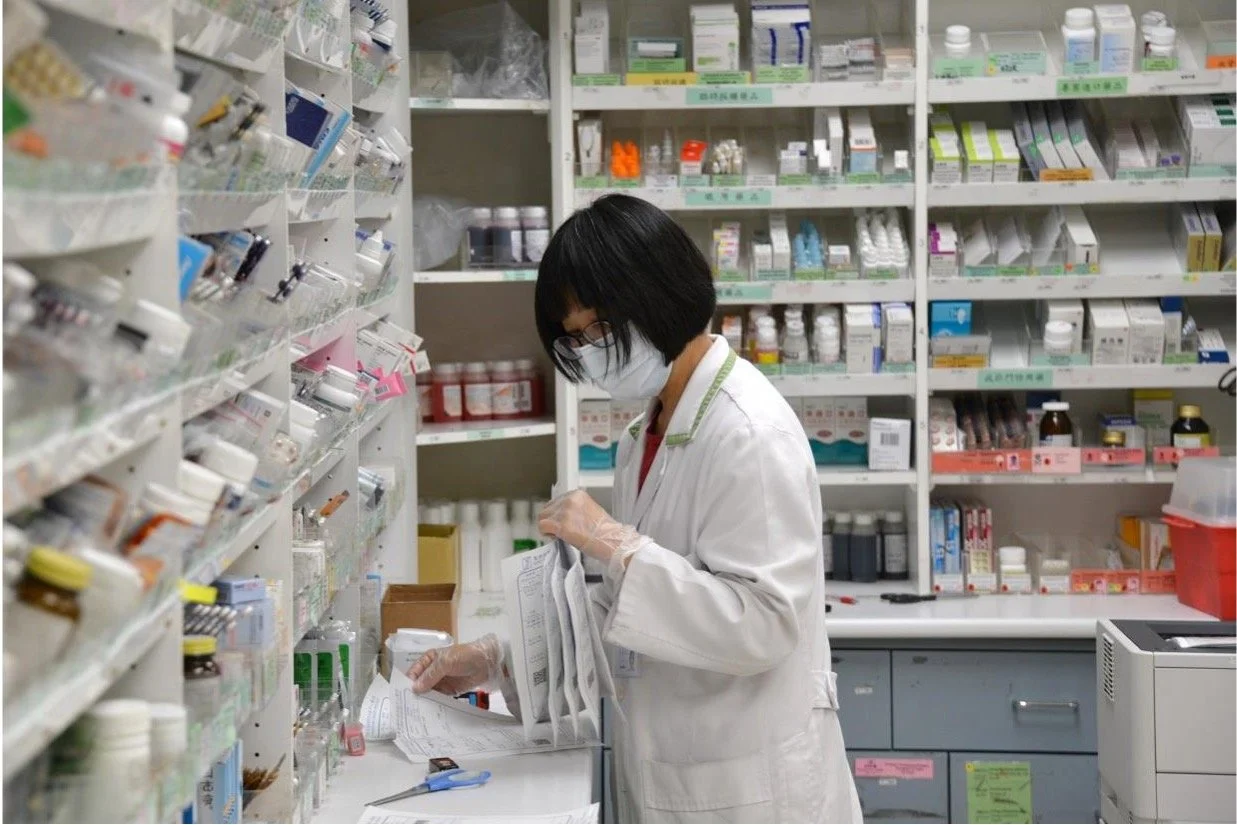
One crucial element of surgery at KFSYSCC that is often unseen by patients and their families is the cooperative interaction within the surgical team in the operating room. Every team member has a unique role but operates in concert to complete the designated task. The crucial contributions from support units in delivering the necessary equipment and supplies are invaluable. After the surgical procedure, the surgical specimens are transported to the pathology department for examination. At KFSYSCC, our pathologists don't just thoroughly analyze specimens and prepare reports, but they also maintain active dialogue with surgeons, often through phone calls or in-person discussions about the specimens.
Our aspirational model, akin to that of the Mayo Clinic, involves pathologists directly interfacing with surgeons in the operating room during specimen examination and processing. Although we've yet to completely achieve this ideal, the additional investments in time and human resources have provided tangible benefits. These investments don't result in increased health insurance compensation or higher patient charges but lead to more precise pathology reports, comprehensive diagnoses, and form the cornerstone for planning subsequent treatment and monitoring strategies. Moreover, the ongoing communication and peer-review process between clinicians and pathologists is a key strategy for continuously improving our medical quality.
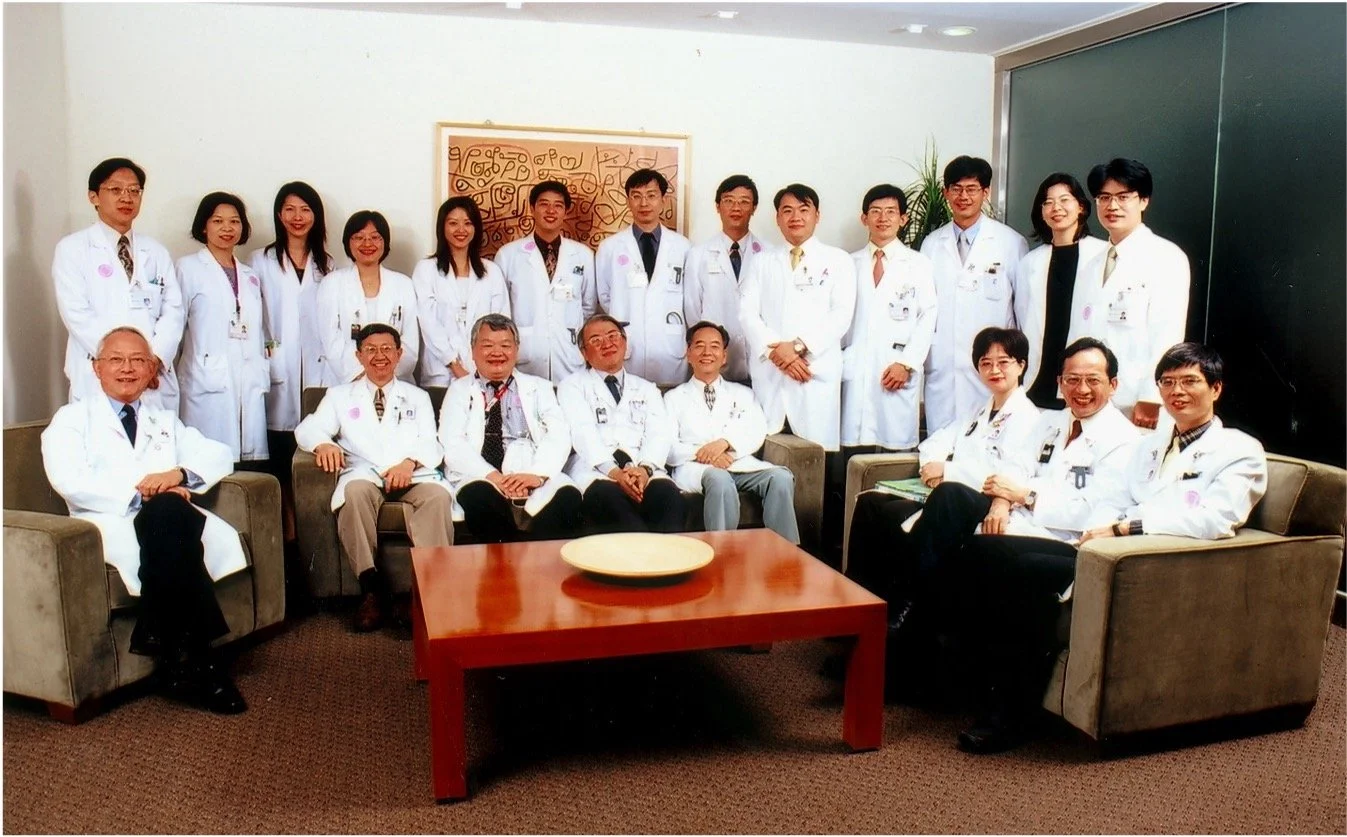
The practice of surgery at KFSYSCC differs significantly from the erstwhile high-and-mighty perception prevalent in Taiwan. We emphasize cross-disciplinary collaboration with the pathology, radiation therapy, and medical oncology departments as the best strategy for optimal patient outcomes. At KFSYSCC, we uphold the belief that patient care is a collective responsibility. As such, we have refrained from implementing a ”pay for performance" system, preventing inter-departmental competition for patients and averting suboptimal treatment choices driven by individual performance targets. This facilitates more productive team discussions and aids in formulating the most appropriate care strategies for individual patients during team meetings.
Reflecting on my experiences over the past decade, the question, "What unique methods or divergent practices contribute to KFSYSCC’s superior outcomes in oral cancer treatment?" does not have a simple answer. Through this piece, I hope to provide a detailed and comprehensive account of my viewpoint on this matter.