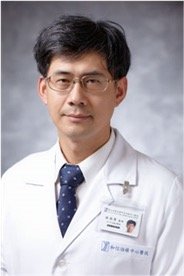
Author: Head & Neck and Nasopharyngeal Cancer Multidisciplinary Team, Dr. Ching-Yuan Lin
Dr. Lin, a leading physician in the Department of Otolaryngology and Head and Neck Surgery at KFSYSCC, heads the multi-disciplinary team managing head and neck cancer and nasopharyngeal carcinoma. Specializing in oncological surgeries in the head and neck region and general otolaryngological disorders, Dr. Lin’s credentials are impressive. A graduate of Kaohsiung Medical University, he served as a resident physician at the National Taiwan University Hospital's Otolaryngology Department in 1996, further honed his skills as a research physician at the Memorial Sloan Kettering Cancer Center's Head and Neck Surgery Department in the United States in 2003, and has been associated with KFSYSCC since 2000. His leadership has been crucial to the hospital's integrative and collaborative approach towards managing head and neck cancer and nasopharyngeal carcinoma.
Head & Neck Cancer Team: Oral Cancer Treatment Philosophy
The past three decades in Taiwan have witnessed an unfortunate shift, with oral cancer surpassing nasopharyngeal cancer as the leading form of head and neck cancer. This shift is largely due to governmental inattention to the carcinogenic implications of betel nut consumption. The incidence of oral cancer has seen a drastic surge from 1,247 cases in 1991 to 7,797 cases in 2017, notwithstanding yearly increases in tobacco taxes, coupled with the lack of robust governmental measures to curb betel nut usage.
As clinicians, our efforts focus on treating the victims of betel nut-related oral cancers. These cancers are particularly resilient, demonstrating high resistance to radiation and chemotherapy. Even the most innovative targeted therapies and immunotherapies show only a 10-20% efficacy rate, thereby necessitating surgical intervention as the primary therapeutic approach.
The complexity and lengthiness of oral cancer surgeries, which often extend between five to ten hours, coupled with post-operative disfigurement and speech impairment, have led to a notable reluctance amongst patients to opt for surgical treatment. Consequently, the disease often progresses unchecked.
Hospital records from 1990 to 2000 depict a disheartening picture, with most of our oral cancer patients presenting in stages 3-4, resulting in low survival rates. However, the post-2000 era has seen an increase in patient numbers, with an encouraging rise in early-stage diagnoses.
Our surgical team adopts the following tenets in treating oral cancer:
With the aid of advanced surgical techniques and experience, we aim for total tumor excision with minimal damage to facial tissues and functions. For instance, we utilize the pull-through technique in advanced tongue cancer surgeries to avert lower jawbone splitting and facial scarring.
Collaboration with plastic surgeons facilitates functional reconstructions, minimizes unnecessary flap volumes to prevent upper airway obstruction, reduces the tracheotomy rate from 80% to less than 20%, and expedites post-operative recovery.
For extensive local tumors, we opt for marking potential danger margins for post-operative radiotherapy to enhance local control rates while preserving the patient's appearance and function.
Radiation range decisions are based on precision medicine principles and are made in collaboration with radiation oncologists, with an aim to reduce radiation-associated side effects.
Post-treatment follow-ups by dental physicians and swallowing therapists focus on enhancing mastication and swallowing functions and restoring the quality of life.
Our treatment philosophy embraces maintaining disease control and survival rates while preserving functionality and improving the quality of life. This holistic approach fosters the patients' physical and mental well-being, enhances immunity, reduces recurrence rates, and improves survival rates.
The National Health Commission's publication of the 2013-2017 five-year survival rate for oral cancer attests to the effectiveness of our patient-centric approach. Our hospital's five-year survival rate for oral cancer stands at 76%, surpassing the national average of 53% by 23%. Achieving this, however, necessitates that our team invests considerable time in patient communication and care.
Our head and neck cancer team foresees a future where medical treatment will be driven by informed consent, centered on patient autonomy, and devoid of medical arrogance, thus fostering shared decision-making medicine.