
Eating Your Way Back to Health After Colorectal Surgery
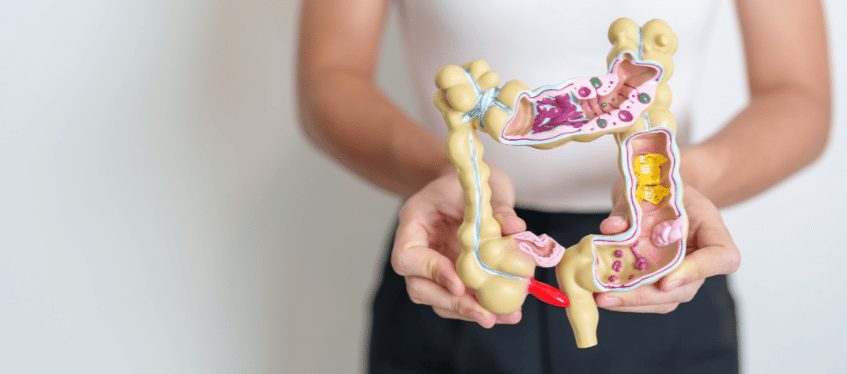
Modern surgery and adjuvant therapy allow many people with colorectal cancer to step into a new chapter of life, yet recovery hinges on what and how you eat. Wen-Hua Jan, dietitian with the KFSYSCC colorectal-cancer team, offers a step-by-step guide for patients and families.
Start Slow: Water, Clear Fluids, Soft Foods
Although surgery usually spares the small-intestine absorptive surface, the lower gut still needs time to adapt. Begin with sips of water, move to clear liquids, and graduate to soft solids. Eat small meals more often and pay close attention to the way your body answers: bowel sounds, passage of gas, the first stool. In hospital a dietitian will coach you; at home follow the same gradual logic as you widen both the variety and the volume on your plate.
What Counts as “Soft”?
Use your teeth as the test; if you can chew it to a fine mash, it is soft enough. Think fish soup with its flaky fish, chicken soup with its shredded meat. Pair protein with carbohydrates such as porridge, plain rice, thin noodles, or a soft sandwich, and add well-cooked leafy greens or peeled fruit. Skip foods that stay coarse: five-grain rice, multigrain mixes, nuts, and most sticky glutinous-rice dishes. They resist digestion and can overload a healing bowel.
Taming Gas: Milk and Beans
If you have not drunk milk for a while, or you know you are lactose-intolerant, hold off for now. Whole beans can also bloat the gut, but sieved soy milk and processed bean products are usually gentle once normal gas and stool have returned. They supply welcome protein without the fiber load.
Balance Matters More Than Texture
Recovery does not require a lifetime of thin rice gruel. Noodles, dumplings, or even a hamburger are fine if the fillings are soft and the raw vegetables or crunchy fried toppings are kept to a minimum. The rule is variety: some grain, some vegetable, some protein at every meal, not just endless broth.
Skip Self-Prescribed Supplements
Probiotics and other over-the-counter health products sound tempting, yet introduce them only after discussing the idea with your physician or dietitian. Safety and efficacy depend on timing, dose, and your individual medical picture.
Move, Weigh, Adjust
Short walks after meals stimulate intestinal motility; daily activity speeds recovery overall. Check your weight regularly. A rapid drop may signal that you are eating or drinking too little and need to revise your plan.
The Long Game
Diet is a crucial strand in the larger fabric of healing. By choosing soft, digestible foods at first, avoiding what provokes gas or strain, and steadily re-expanding your menu while keeping active, you give your body its best chance to knit itself whole again. For more details, speak with your clinical team to tailor these principles to your own journey.
Interviewee: Dietitian Wen-Hua Jan, Department of Nutrition