
Da Vinci Surgery for Colorectal Cancer Now Covered by National Health Insurance
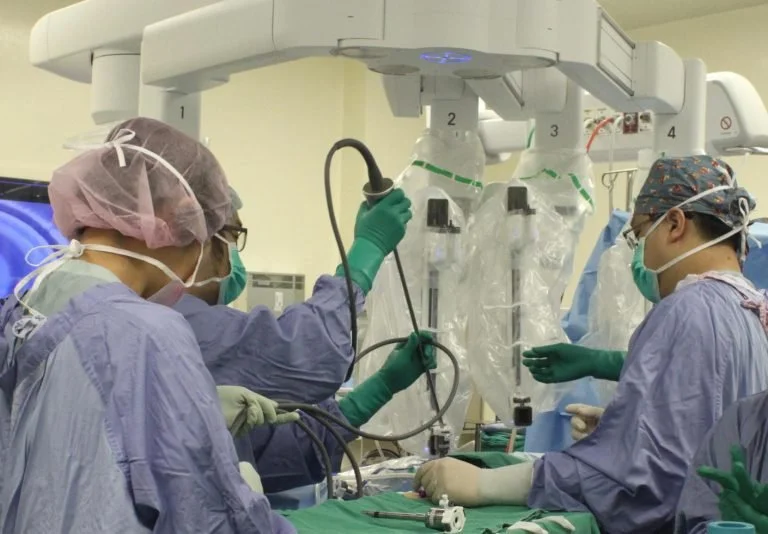
Since March 2023, national health insurance has started to partially cover the costs of Da Vinci surgeries for colorectal cancer. In anatomical terms, the rectum, extending about 12 centimeters upward from the anal opening, is the focus of this insurance coverage, specifically for tumors located in this area.
Introduction to Da Vinci Robotic Surgery
Da Vinci surgery represents a significant leap in abdominal surgical procedures through the use of robotic arms, making it the most advanced and evidence-backed system to date.
Robotic arm surgery marks a revolutionary development in surgical techniques, signifying a platform enhancement. Imagine transitioning from manual to automatic cars, and eventually to electric vehicles; this evolution isn't confined to a single type of surgery. As the platform evolves, it can be applied across a broad spectrum of surgical procedures.
Historically, the major challenge with this type of surgery was the cost, especially as it dominated the market. KFSYSCC was a bit slower to enter the realm of robotic surgery in Taiwan, not acquiring a robotic arm until 2015. However, with the launch of the latest generation of robotic arms that year, KFSYSCC became the first in Taiwan to make a purchase, accumulating significant experience in robotic surgeries over the past 7 to 8 years.
Incorporation into National Health Insurance Reduces Financial Burden by a Third
With national health insurance now partially covering Da Vinci surgery for the rectum as of March this year, patients see about a third of their costs reduced. KFSYSCC played a pivotal role in this development, not only providing local data analysis for the national surgical background but also assisting in establishing relevant systems. Now, the country has implemented a certification system for surgeons performing robotic surgeries, ensuring patient safety through mandatory training.
Advantages of Robotic Arm Surgery
The goal of robotic arm surgery is to minimize trauma while achieving the same results as traditional surgery. This means smaller incisions, less damage, but no compromise on the extent of removal, reducing the impact on patients.
Robotic surgery integrates various technologies, such as special imaging to view blood circulation, aiding in surgical decisions to ensure healthier remaining tissue. Aspects traditionally reliant on the surgeon's tactile sense and vision can now be quantified through computer algorithms on the robotic system, sometimes even allowing the computer to decide the treatment strategy. This also brings artificial intelligence into play, necessitating AI's assistance to achieve better treatment outcomes beyond human capabilities.
Da Vinci Low Anterior Resection for the Rectum Covered by National Health Insurance
Initially designed for prostate and cardiac surgeries, which share the need for precision and stability within a confined area, Da Vinci's attributes make it suitable for rectal surgeries covered by national health insurance. As the technology has evolved, its application has expanded to include general colon surgeries, such as left and right colon surgeries. However, broader health insurance coverage is still pending due to financial considerations. Representing medical societies, continuous negotiations with the National Health Insurance Administration are ongoing, hoping for tangible results in the coming years to extend insurance coverage to colon surgeries using Da Vinci.
Da Vinci as One of Many Surgical Tools
The Da Vinci robotic arm is merely a tool, one of many ways to assist surgeons in achieving their goals. Ultimately, the success depends on the user's experience and capability, or the surgeon's preference for familiar tools to attain the same outcomes. Regardless of the tools used, our ultimate aim is to provide patients with the best possible treatment outcomes.